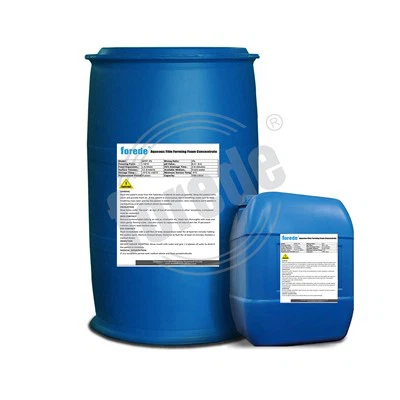


AR-AFFF Foam Compare to AFFF Foam

What is AR-AFFF Foam and AFFF Foam?
AFFF (Aqueous Film-Forming Foam):
A synthetic firefighting foam concentrate primarily for hydrocarbon fuels (gasoline, diesel, jet fuel, crude oil). Its core components are fluorosurfactants (historically PFOS/PFOA, now often short-chain or PFAS-free), hydrocarbon surfactants, and solvents (glycols). Its defining feature is the ability to form an aqueous film on hydrocarbon surfaces. This thin water layer spreads rapidly, suppressing vapors and enabling extremely fast fire knockdown.
AR-AFFF (Alcohol-Resistant Aqueous Film-Forming Foam):
A specialized variant of AFFF designed to combat both hydrocarbon and water-miscible polar solvent fires (ethanol, methanol, acetone, IPA, ethers, ketones). It contains all AFFF components plus polymeric thickeners (e.g., polysaccharides). When applied to polar solvents, these polymers form a cohesive, protective sacrificial barrier that prevents foam destruction. On hydrocarbons, it retains AFFF's film-forming ability.
AFFF:
Rapid fire knockdown on hydrocarbon spills via aqueous film formation.
Vapor suppression to prevent ignition/reignition.
Forming a foam blanket for sustained sealing and cooling.
AR-AFFF:
Dual-fire capability: Fast hydrocarbon knockdown and polar solvent fire suppression.
Barrier formation: Creates a polymeric membrane on polar solvents to resist dissolution.
Vapor sealing across diverse fuel types.
Preventing foam destruction by alcohol-based fuels.
AFFF:
Aircraft Rescue & Firefighting (ARFF) for jet fuel spills.
Marine/industrial hydrocarbon spills (diesel, lubricants).
Transformer fires (dielectric versions).
Flammable liquid storage areas (tank farms, warehouses).
Vehicle/transportation fuel fires (gasoline/diesel).
AR-AFFF:
Ethanol-blended fuels (E10, E85, E100) at gas stations, transport hubs, or production facilities.
Chemical plants handling polar solvents (acetone, methanol, ethers).
Pharmaceuticals, cosmetics, or labs using alcohol-based chemicals.
Battery manufacturing (flammable electrolyte solvents).
Warehouses storing mixed hydrocarbon/polar solvent inventories.
Incidents involving unknown/dual-fuel hazards.
| Aspect | AFFF | AR-AFFF |
|---|---|---|
| Fuel Compatibility | Hydrocarbons only. Fails on polar solvents. | Hydrocarbons AND polar solvents. |
| Critical Additive | Fluorosurfactants (film-forming). | Fluorosurfactants + polymeric thickeners. |
| Polar Solvent Action | Foam collapses immediately; ineffective. | Forms protective polymeric barrier; resists dissolution. |
| Foam Blanket | Fluid, fast-spreading. | Slightly denser/heavier on polar solvents. |
| Viscosity | Lower viscosity. | Higher viscosity (due to polymers). |
| Proportioning | Standard 1%, 3%, or 6%. | Often 3% or 6% (dual application rates: 3% for hydrocarbons, 6% for polar solvents). |
| Knockdown Speed (Hydrocarbons) | Very fast (aqueous film). | Slightly slower than AFFF but still rapid. |
| Environmental Impact | PFAS legacy issues; transitioning to F3. | Similar PFAS concerns; fluorine-free AR options emerging. |
AFFF Advantages:
Faster hydrocarbon knockdown, lower viscosity (easier proportioning), lower cost, proven track record on pure fuels.
AFFF Limitations:
Useless on polar solvents, environmental liabilities (PFAS), limited burnback resistance vs. fluoroprotein foams.
AR-AFFF Advantages:
Critical for modern fuel blends (e.g., E85), versatile for mixed hazards, polymeric barrier prevents fuel re-ignition, industry standard for chemical risks.
AR-AFFF Limitations:
Higher cost, higher viscosity (risk of proportioning errors if equipment not calibrated), slower flow than AFFF on hydrocarbons, complex application (dual proportioning rates).
Selection Criteria:
Fuel Type: Use AR-AFFF if polar solvents or blended fuels (ethanol gasoline) are present. Standard AFFF suffices for pure hydrocarbons.
Regulations: PFAS restrictions may mandate fluorine-free alternatives (AR-F3) for both.
Total Cost of Ownership: Include concentrate cost, proportioning rate, and environmental cleanup liabilities.
System Design: Ensure pumps/eductors handle AR-AFFF's viscosity.
Training: AR-AFFF requires understanding dual application rates.
Standards Compliance: NFPA, ICAO, IMO, or MIL-SPEC may dictate foam type (e.g., ICAO Level B/C for ARFF allows AR-AFFF but not standard AFFF for alcohol-resistant certification).
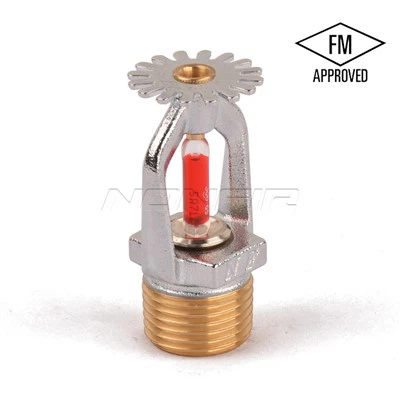
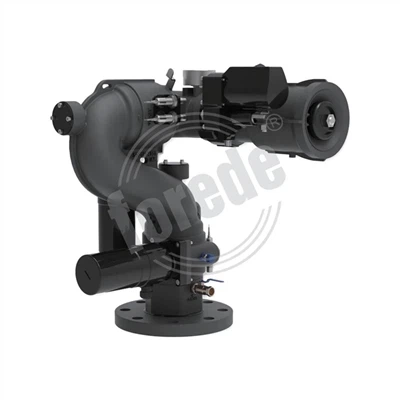
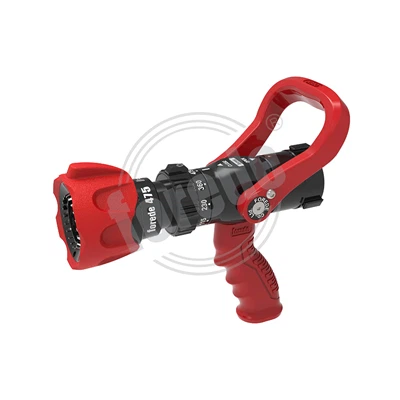
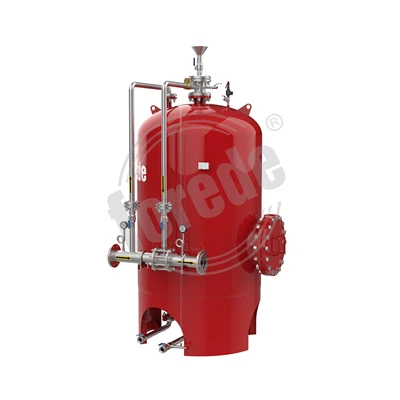
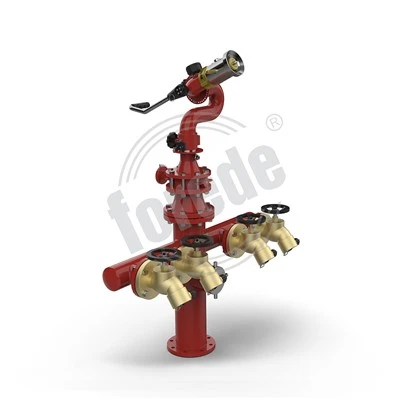
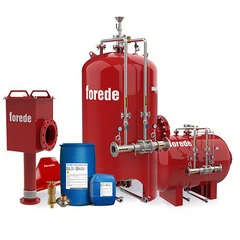
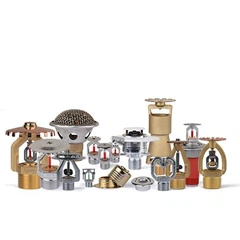
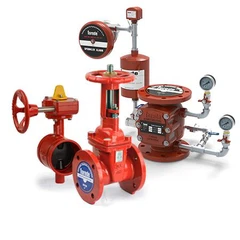
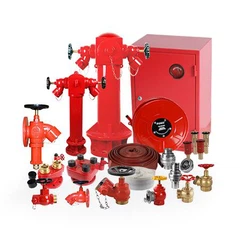
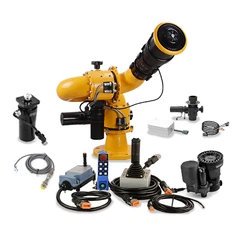
As a leading company in firefighting field,FOREDE has a wide product range including Fire Nozzle&Monitors, Fire Sprinkler Systems, Foam Systems, Fire Hydrant Systems,Fire Truck Accessories.etc.
Our address
Nan'an City, Quanzhou City Fujian PRC-China
Phone Number