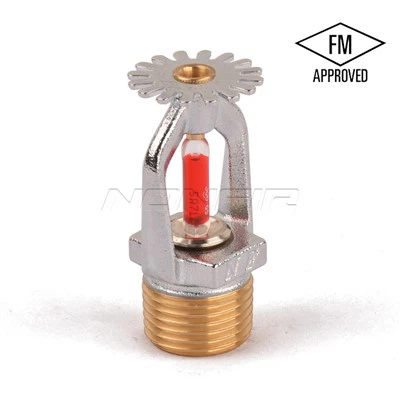

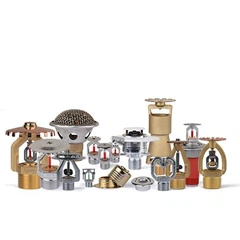

Fire sprinklers are an essential part of fire safety in buildings. They are designed to detect and suppress fires before they grow out of control, preventing extensive damage and potentially saving lives. One common question that people often ask is whether fire sprinklers are heat activated. The answer is a resounding yes.
Fire sprinklers are designed to react to heat, which is the main triggering mechanism for most fires. When a fire breaks out, the heat causes the air inside the sprinkler head to expand, which leads to the activation of the sprinkler. The sprinkler then releases water, which is aimed at the source of the fire and helps to extinguish it.
The use of heat detection is a critical part of the fire sprinkler system's design. The system is designed to activate each sprinkler head independently, so only the sprinklers in or near the fire will discharge water. This targeted approach maximizes the amount of water available to put out the fire, and also minimizes water damage to the building from the sprinkler discharge.
Fire sprinklers provide a reliable, automatic way of suppressing fires, even when people are not present. They're not just a recommended safety measure—they're often required by local building codes. The installation of fire sprinklers in buildings has been shown to significantly reduce the risk of loss of life from fires, as well as mitigate the extent of property damage.
In conclusion, fire sprinklers are one of the most effective and efficient ways to protect buildings from the devastating effects of fire. They are heat activated, which means they respond to the temperature changes associated with the fire and discharge water to extinguish it. Their ability to act independently enables them to target the fire effectively, minimizing water damage to the building. By installing fire sprinklers, we can take important steps towards ensuring the safety of people and property.
For more details, please contact me: sales4@forede.com(Wendy)
Whatsapp/Wechat/Zalo:+86 18750638978