
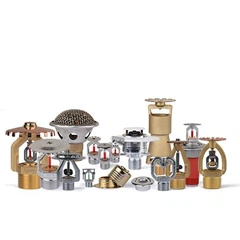

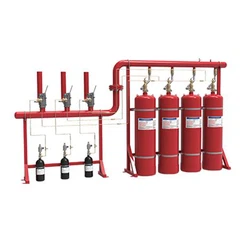

Dry Sprinklers Brief Introduction
Dry sprinkler systems are an essential part of fire protection systems in buildings where freezing temperatures are a concern. These systems utilize pressurized air to hold back the water in the piping until a fire is detected, at which point the air is released and the water flows through the system to extinguish the fire. This type of system is ideal for use in areas where the pipes may be exposed to cold temperatures, as it eliminates the risk of freezing and bursting pipes.
Dry sprinkler systems are commonly used in unheated warehouses, parking garages, and walk-in freezers, where traditional wet pipe systems would be prone to freezing. By using pressurized air to hold back the water, dry sprinkler systems provide reliable fire protection even in the coldest of temperatures.
One of the key benefits of dry sprinkler systems is their ability to provide quick and effective fire suppression. Because there is no water in the pipes until a fire is detected, the system can respond quickly to extinguish the flames and prevent the spread of fire. This can help minimize damage to property and potentially save lives in the event of a fire.
Design and Operating Principle
The core design of dry sprinklers distinguishes them from their wet counterparts. In a dry sprinkler system, the piping network leading up to the sprinkler heads is filled with pressurized air or nitrogen rather than water. This pressurized gas acts as a barrier, preventing water from entering the pipes and freezing in cold environments.
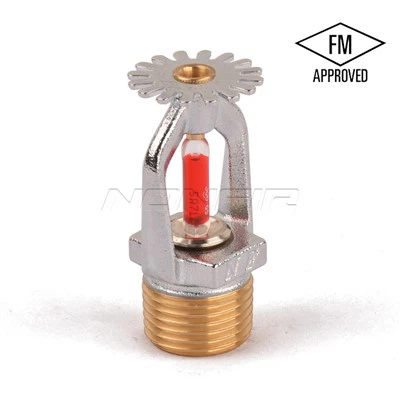
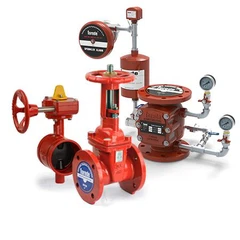
Each dry sprinkler head is connected to the pressurized gas-filled piping via a two-part assembly: a dry pipe valve and the sprinkler head itself. The dry pipe valve, typically located in a heated area, serves as a critical control point. It remains closed under normal circumstances, maintaining the pressurized gas within the pipes. When a fire occurs and the heat from the flames causes the sprinkler head's thermal element (such as a glass bulb or fusible link) to activate, the sprinkler head opens. This opening creates a pressure drop in the piping system, triggering the dry pipe valve to open. Once the valve opens, water rushes into the pipes and is discharged through the open sprinkler head onto the fire, effectively suppressing it.
Applications and Advantages
Dry sprinklers are indispensable in numerous scenarios where traditional wet sprinkler systems would be impractical or ineffective:
- Cold Storage Facilities: Freezers, cold storage warehouses, and refrigerated trucks are prime examples of environments where dry sprinklers excel. The consistently low temperatures in these settings would cause water in wet sprinkler pipes to freeze, leading to pipe bursts and system failure. Dry sprinklers eliminate this risk, ensuring reliable fire protection even in sub-zero conditions.
- Unheated or Poorly Insulated Areas: Buildings with unheated attics, basements, garages, or outdoor canopies often experience temperature fluctuations that could render wet sprinklers ineffective. Dry sprinklers provide a consistent and reliable solution in these variable environments, protecting against fire hazards without the worry of freezing.
- High-Sensitivity or Critical Operations: In some industrial settings, such as data centers, museums, or historical archives, even minor water leaks from a sprinkler system activation could cause significant damage to sensitive equipment or irreplaceable artifacts. Dry sprinklers offer an added layer of protection by minimizing the risk of accidental water discharge, as water only enters the system when a fire is detected and the sprinkler head activates.
- Flexibility in Design: Dry sprinkler systems can be more adaptable in terms of piping layout and installation compared to wet systems. Since water is not constantly present in the pipes, the piping network can be installed with steeper slopes or in configurations that might be challenging for wet systems, providing greater design flexibility for architects and engineers.