


ESFR Fire Sprinkler for Fire Protection System
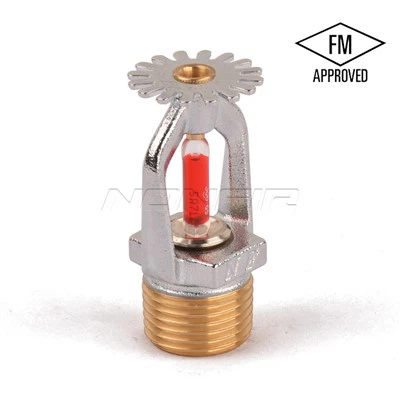
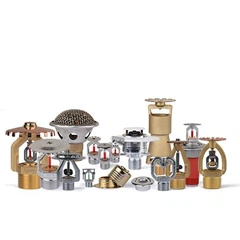
forede® brand ESFR stands for Early Suppression, Fast Response, which refers to a type of fire sprinkler system specifically designed for protecting high-piled storage areas and warehouses. These sprinklers are capable of detecting and suppressing fires quickly, helping to minimize damage and save lives.
ESFR fire sprinklers are designed to release large volumes of water at high pressure, allowing them to quickly extinguish fires in these types of environments where standard sprinkler systems may not be as effective. They are installed on the ceiling and spaced strategically to provide maximum coverage and protection.
One of the key advantages of ESFR fire sprinklers is their ability to react rapidly to a fire, helping to contain and suppress it before it spreads out of control. This can be critical in preventing catastrophic loss of property and ensuring the safety of occupants within the building.
Overall, ESFR fire sprinklers are a reliable and efficient solution for protecting high-risk areas from fires. Investing in these systems can provide peace of mind knowing that your property and employees are well-protected in the event of an emergency.
ESFR (Early Suppression, Fast Response) fire sprinklers represent a specialized type of automatic sprinkler system developed to suppress high-challenge fires at an early stage. Unlike conventional sprinklers that are designed to control a fire until emergency services arrive, ESFR sprinklers are engineered to actually suppress or extinguish a fire before it spreads, making them a critical solution in high-hazard storage applications.
What is an ESFR Fire Sprinkler?
An ESFR sprinkler is a quick-response sprinkler head that activates at a relatively early stage of fire development. It discharges water at a very high rate, with large water droplets designed to penetrate the thermal column generated by high-intensity fires - particularly those involving high-piled storage, plastic materials, or other rapidly burning commodities.
Key Design Features:
Quick Response Element: ESFR sprinklers use a heat-sensitive fusible link or glass bulb that activates rapidly once a specific temperature is reached.
High Discharge K-Factor: Common K-factors range from K14 to K25, allowing high volumes of water delivery per minute.
Large Droplet Size: Designed to overcome the updraft of fire plumes and reach the base of the fire, ensuring effective suppression.
Ceiling-Only Installation: Unlike traditional systems that require in-rack sprinklers, ESFR systems can be installed at the ceiling level only, even for very high storage configurations.
Wide Area of Coverage: Covers larger storage areas and can reduce the number of required sprinkler heads.
Applications of ESFR Sprinklers:
ESFR systems are best suited for environments with high fire loads and fast-burning materials. Common applications include:
Warehouse and Distribution Centers Protects large storage spaces with high-piled goods or palletized items.
Cold Storage Facilities and Freezers Special models are available for low-temperature environments.
Automated Storage and Retrieval Systems (ASRS) Ideal for protecting complex automated storage systems where fire access is difficult.
Logistics Hubs and E-commerce Fulfillment Centers Where fast-moving and highly flammable packaging materials are common.
Industrial Manufacturing and Packaging Plants Where plastic, paper, and chemical packaging increase fire risk.
Advantages of Using ESFR Sprinklers in Fire Protection Systems:
Early Fire Suppression: Helps to extinguish the fire in its incipient stage, minimizing property damage and risk to life.
Elimination of In-Rack Sprinklers: Reduces cost, complexity, and obstruction to forklift and maintenance operations.
Space Optimization: More flexibility in warehouse layout and racking design.
Water Damage Minimization: Fewer sprinklers may activate during a fire event, reducing collateral water damage.
Ease of Maintenance: Ceiling-only systems are easier to inspect and service compared to systems with in-rack components.
🔧 System Design Considerations:
When designing an ESFR system, engineers must consider:
Storage height and commodity type
Clearance between sprinklers and stored materials
Building height and ceiling configuration
Obstructions such as lights, ducts, or trusses
Water supply capacity and pressure requirements
Hydraulic calculations are essential to ensure the water delivery meets the demands of a fast-growing fire. ESFR systems typically require higher flow rates and water supply reliability compared to conventional systems.
Conclusion:
ESFR fire sprinklers are a proven, high-efficiency solution for suppressing dangerous fires in high-storage occupancies. Their ability to suppress fires rapidly at the source - before they grow uncontrollably - makes them indispensable for facilities seeking top-tier fire protection. When properly designed, installed, and maintained, ESFR sprinkler systems help safeguard lives, protect property, and ensure business continuity in the face of potential fire hazards.