

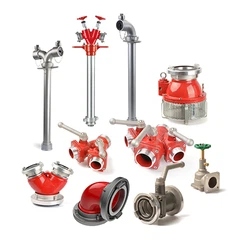

Fire Hydrant Standpipe
forede® brand A fire hydrant standpipe is an essential piece of equipment in any building to ensure the safety of occupants in the event of a fire. These standpipes provide firefighters with quick and easy access to water to extinguish flames and prevent the spread of fire.
Installing a fire hydrant standpipe is a proactive measure that can save lives and protect property. By having this equipment in place, you are demonstrating your commitment to safety and preparedness. It also shows that you are taking the necessary steps to comply with fire safety regulations and standards.
In addition to providing firefighters with access to water, fire hydrant standpipes can also be used by building occupants in the event of a smaller fire emergency. Having this extra layer of protection can make a significant difference in the outcome of a fire incident.
Overall, fire hydrant standpipes are a crucial component of fire safety and prevention. By installing and maintaining these standpipes in your building, you are ensuring that you are well-equipped to handle any fire emergency that may arise. It is a positive and proactive step towards protecting your building and the people inside.
Fire Hydrant Standpipe
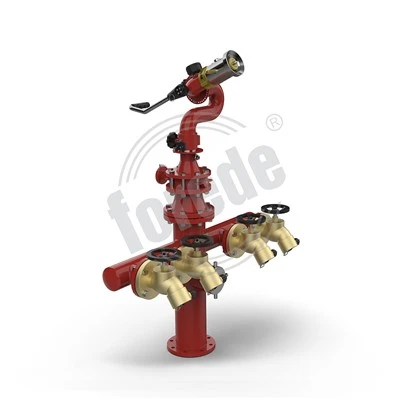
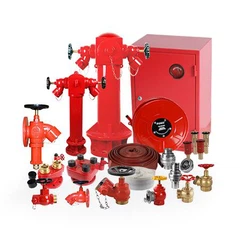
A Fire Hydrant Standpipe is a vertical pipe or assembly that provides firefighters with a ready connection point to access water from an underground supply or building fire protection system. It serves as a crucial link between the water main (or water tank) and the firefighting equipment such as hoses, nozzles, or fire engines.
🔧 Main Components
Standpipe Body: The vertical pipe that channels water from the supply to the outlet.
Outlet Valves: Usually 2½" (65mm) or 1½" (40mm) outlets for connecting fire hoses.
Inlet Connection: For water supply from a pump or main line.
Landing Valve: Controls water flow at each outlet.
Cap and Chain: Protects outlet threads and prevents contamination.
📏 Typical Specifications
Size: 65mm (2½") or 100mm (4") diameter
Working Pressure: 1.2–1.6 MPa (12–16 bar)
Installation Type:
Wet Riser: Permanently charged with water (for buildings below 50m)
Dry Riser: Normally empty, charged by a fire engine when needed (for tall buildings)
Connection Standard: BS 336, NST/NH, or local national standard
🧯 Applications
High-rise buildings
Industrial and commercial facilities
Parking garages and warehouses
Firefighting training grounds
💡 Advantages
Provides immediate water access inside or near buildings
Simplifies hose connection for firefighters
Can connect directly to a fire engine for boosted pressure
Designed for easy maintenance and durability
🚒 How It Works
Firefighters connect their hose to the standpipe outlet.
Water is supplied either from the building's system (wet riser) or from a fire engine (dry riser).
The landing valve is opened to release water through the hose to extinguish the fire.