

How Do Fire Nozzles Work?
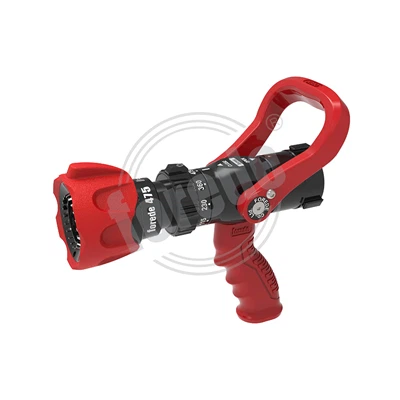
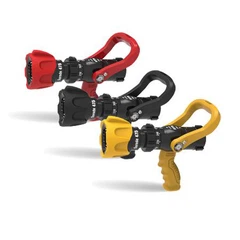
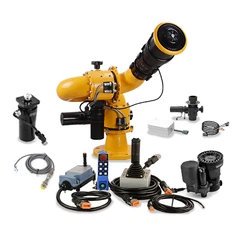
Firefighters use fire nozzles to control and extinguish fires efficiently. A fire nozzle is a device that attaches to a fire hose and enables the firefighter to adjust the water flow and pattern. The nozzle is a critical tool in the process of firefighting, enabling firefighters to be more effective and efficient while minimizing damage to property and injury to people.
The basic principle behind fire nozzles is to transform the pressure of the water into a targeted stream or spray. The nozzle head contains several components that help to create this transformation. The most important component is the orifice, which is simply the opening through which the water flows. The size of the orifice determines the pressure and flow rate of the water.
The nozzle head also has various features that allow firefighters to control the flow of water. One such feature is the control valve, which is essentially a lever that allows firefighters to adjust the flow rate and direction of the water stream. The nozzle can also have different types of patterns, depending on the selected setting. For example, a straight stream pattern is useful when targeting a specific area, while a fog pattern disperses water over a larger surface area.
Fire nozzles are designed to withstand harsh conditions, including high temperatures and intense pressure. They are made from durable materials like metal alloys and high-density plastics. Some nozzles also include filters that prevent debris and particles from interfering with the water flow.
Overall, fire nozzles are crucial components in the firefighting process. They allow firefighters to deliver water efficiently and accurately, minimizing the spread of fires and protecting lives and property. Additionally, advancements in fire nozzle technology continue to improve performance and safety, making firefighting operations even more effective.


Our address
No. 278-1, Meiting Village, Meilin Sub-District, Quanzhou, Fujian, China
Phone Number