



How Foam Bladder Tank Works?
A foam bladder tank is an essential component of any fire protection system. It can help prevent potential fire hazards in any building, whether it is residential, commercial, or industrial. By providing reliable protection against fire, foam bladder tanks can help keep people and property safe, and prevent the spread of damage and loss caused by fire.


A foam bladder tank is an essential component of any fire protection system. These tanks are designed to provide a dependable source of foam concentrate during a fire emergency. When properly installed and maintained, foam bladder tanks can significantly reduce the amount of damage caused by fire, and can minimize the risk of injury or loss of life.
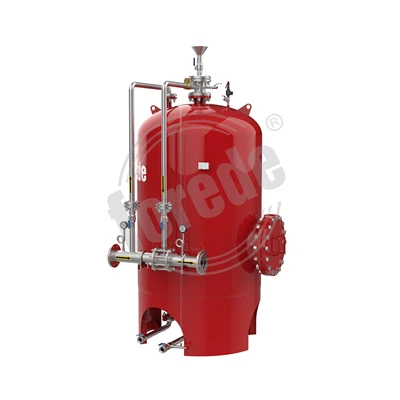
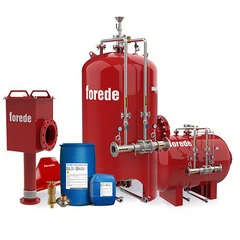
So, how does a foam bladder tank work? It all starts with the tank itself, which is typically made from heavy-duty steel or fiberglass materials. The tank is divided into two sections, with one part containing the foam concentrate, and the other part containing water.
The foam concentrate section of the bladder tank is pressurized with nitrogen or air. As the tank fills with water during an emergency, the foam concentrate is expelled from the tank by the pressure created by the gas in the foam concentrate section. This creates a foam solution that is then deployed through the system's discharge piping and out through the fire suppression nozzles.
When the foam mix hits the fire, it creates a layer of foam that spreads over the burning surface, cutting off the source of oxygen and extinguishing the flames. The foam also helps to cool down the surface, preventing re-ignition. In essence, the foam acts as a barrier between the fire and the fuel source, suffocating the flames and preventing expansion.