

A sprinkler system is an important investment for any property, providing efficient and effective watering of lawns, gardens, and other landscaping. With a variety of sprinkler systems available in the market, it's crucial to select the one that best meets your needs to ensure a healthy, flourishing landscape. Here are some tips for choosing the right sprinkler system to suit your property and conditions.
1. Consider the Area to be Watered
The first step in choosing the right sprinkler system is to understand the area that requires watering. Consider the topography and shape of the property, the types of vegetation and plants, and any specific water requirements they may have. Some plants need more water than others, which will impact the type of irrigation system you require.
2. Determine the Water Source
It's essential to know the source of water for your system. Most sprinkler systems draw water from a residential water supply, but some may require irrigation wells or rainwater tanks.
3. Assess the Soil Type
The type of soil on your property is an important factor when selecting a sprinkler system. Soil can be sandy, loamy, or clay, and each soil type impacts how water is absorbed. Sandy soil is permeable, which means water seeps through quickly, while clay soil is slower to absorb water.
4. Choose the Right Type of Sprinkler Head
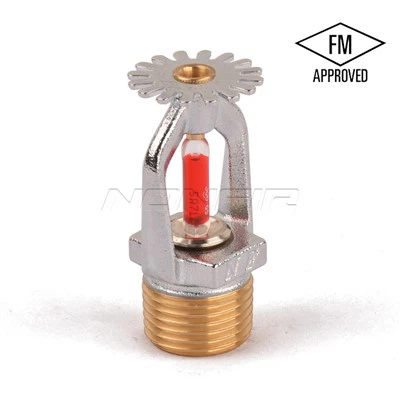
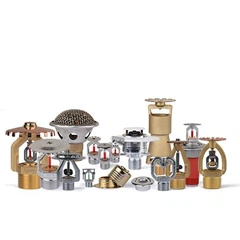
Different types of sprinkler heads are available, and the selection will depend on the area being watered, the water pressure in the supply, and the soil type. Some types of heads are better suited for large areas, while others are ideal for small, narrow areas.
5. Determine Required Water Pressure
To get the best performance from your sprinkler system, it's important to determine the required water pressure. Pressure is measured in PSI (pounds per square inch), and each type of sprinkler head requires different pressure levels to work correctly.
6. Consider Water Conservation
Water conservation should be a top priority when selecting a sprinkler system. The system should be designed to use water efficiently and minimize water waste. This can be achieved with water-sensing controllers, drip irrigation, and low-flow sprinkler heads.
In conclusion, choosing the right sprinkler system for your property involves assessing the area to be watered, understanding the water source and soil type, selecting the appropriate sprinkler head, determining the required water pressure, and considering water conservation. A well-designed sprinkler system can help to keep your landscape healthy and flourishing while minimizing water use and waste.