
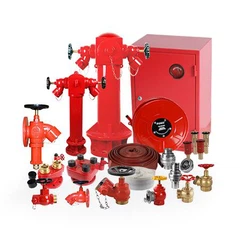

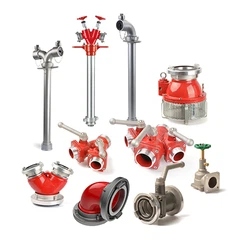
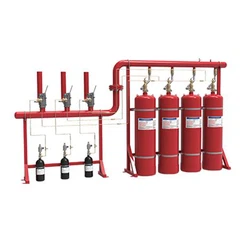
Connecting fire hoses to each input and output firefighting equipment is a critical task, and proper connection will ensure that the hose will function properly and serve the fire emergency plan. Below are some steps and recommendations for connecting fire hoses and couplings.
Step 1: Prepare
First, prepare the required tools and materials on site. You will need a fire hose and two couplers to connect the fire hose to the fire equipment on the other end. Also need to prepare fire reel, tool box and other necessary tools. Make sure to measure each connection and use the correct size coupler to fit over the fire equipment inlet and outlet.
Step 2: Connect the fire hose to one end coupling
First, slip a coupler over one end of the fire hose. Then turn the valve to the closed position to open the coupler handle. The position of the handle may vary, please refer to the manufacturer's instructions for details. Secure the rubber turn lock to the coupler, making sure the hose is properly engaged with the coupler.
Step 3: Connect the fire hose to the other end coupling
Slide the other coupler over the other end of the fire hose. Open the handle by turning the valve, allowing the hose to move forward until the end of the hose is aligned with the other coupler end, making sure the hook locks securely.
Step 4: Test Connection
The final step is to test the connection for a secure connection, which is an important step in making sure it is done correctly. Before testing, please ensure that all couplers and safety devices are installed, and the water source is dispatched. Test the ends of the fire hose with water for a secure connection and make sure there are no leaks. If the test is OK, the hose is ready for use.
Summarize
Connecting fire hoses and couplers is a task that cannot be ignored and requires rigorous testing and inspection before use. During the process of connecting the fire hose, make sure the coupler and hose are the same size, the handle is intact, the water flow is unobstructed, and the correct safety device is installed. Only after these preparations are done can the fire hose work as expected.