

What are fire hydrants made of:
Fire hydrants are a crucial component of any municipality's infrastructure. These devices are designed to ensure that firefighters can access water quickly and easily in the event of a fire. In order for hydrants to be effective, they must be constructed from durable materials that can withstand a wide range of conditions. In this article, we will explore the different materials that are commonly used to manufacture fire hydrants.
One of the most popular materials used to create fire hydrants is cast iron. Cast iron is an alloy of iron, carbon, and silicon. It is a very hard, brittle material that can be cast into a variety of shapes. Cast iron is resistant to corrosion and can withstand high temperatures, making it an ideal material for fire hydrants. Additionally, cast iron is relatively inexpensive, which makes it a popular choice for municipalities with limited budgets.
Another material that is commonly used to manufacture fire hydrants is ductile iron. Ductile iron is a type of cast iron that has been treated with small amounts of magnesium, which gives it increased flexibility and toughness. Ductile iron is also resistant to corrosion and high temperatures, making it an ideal material for fire hydrants. Additionally, ductile iron can be easily machined, which allows for the creation of more complex designs and shapes.
Stainless steel is another material that is occasionally used to construct fire hydrants. Stainless steel is an alloy of iron, carbon, and chromium. It is an extremely durable material that is highly resistant to corrosion and can withstand high temperatures. Additionally, stainless steel is easy to clean and maintain, which makes it an attractive option for municipalities that want to minimize maintenance costs.
In recent years, some municipalities have begun to use high-density polyethylene (HDPE) to create fire hydrants. HDPE is a type of plastic that is lightweight, durable, and resistant to corrosion. It is also relatively inexpensive and easy to work with, which makes it an attractive option for municipalities that want to minimize their costs. However, some experts argue that HDPE fire hydrants may not be as durable as those made from iron or steel.
Regardless of the material used to manufacture fire hydrants, it is important for these devices to be properly maintained and inspected on a regular basis. Fire hydrants are subject to wear and tear over time, and they can become damaged or malfunction if they are not properly maintained. Additionally, fire hydrants must be periodically tested to ensure that they are functioning properly and can deliver water at the required pressure.
In conclusion, fire hydrants are a critical component of any municipality's infrastructure, and they must be manufactured from durable materials that can withstand a wide range of conditions. Cast iron, ductile iron, stainless steel, and high-density polyethylene are all materials that are commonly used to create fire hydrants. Regardless of the material used, it is essential for fire hydrants to be properly maintained and inspected on a regular basis to ensure that they are functioning properly and can provide firefighters with the water they need to extinguish fires quickly and safely.
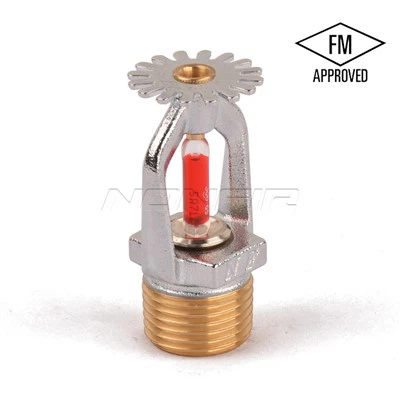
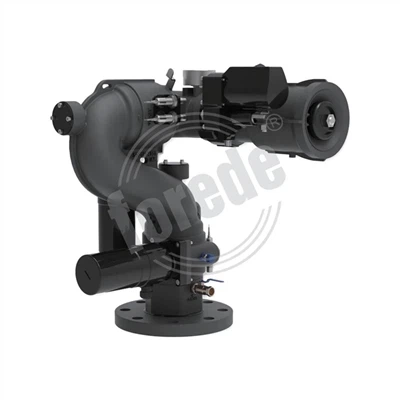
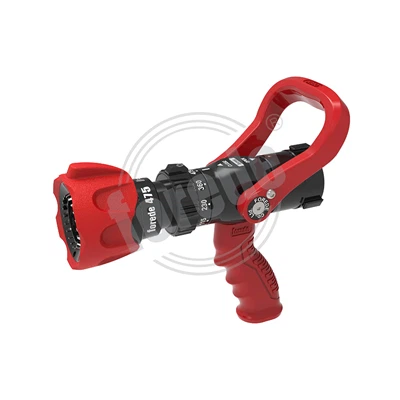
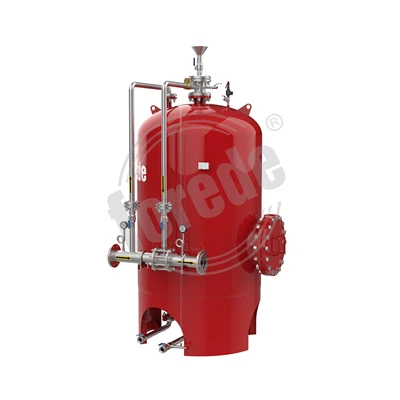
FOREDE® products with wide range and include Fire Sprinkler Systems, Fire Nozzles, Fire Monitors, Foam Equipment, Foam Systems, Fire Hydrant &Valves, General Valves, Fire Fittings, Water Delivery Equipment. Fire Fighting Foam and much more. If you have any demands for the fire fighting equipments, welcome to contact FOREDE.
Email: Sales5@forede.com(Seth)
Whatsapp: +86 132 1506 5797