

Introduction:
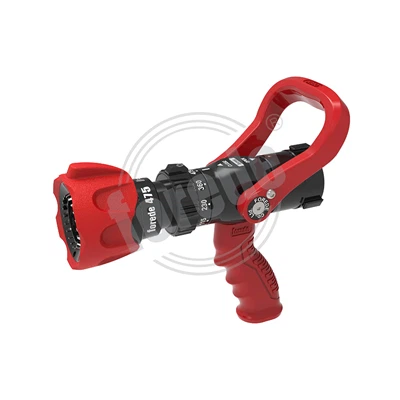
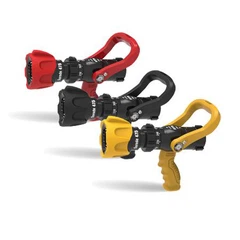
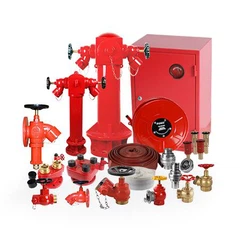
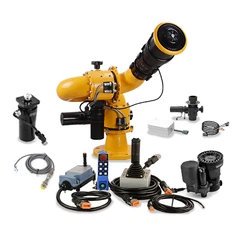
Fire nozzles, also known as hose nozzles, are essential firefighting tools. A fire nozzle is used to regulate and direct the flow of water or other extinguishing agents, such as foam or powder, from a fire hose. The nozzle’s design and the water pressure determine the spraying method used to extinguish the flames.
In this article, we will discuss the various spraying methods of the fire nozzle and their applications.
Spraying Methods:
1. Straight Stream:
The straight stream is a narrow, focused jet of water that delivers a high volume of water over a long distance. This spraying method is best suited for outdoor fires that require a long-range extinguishing capability. Firefighters use this method to extinguish fire on tall buildings, roofs, and outdoor vegetation.
2. Narrow Fog:
The narrow fog is a spray of water that produces a cone-shaped pattern, which has a wider pattern than the straight stream but has less range. This method is useful for outdoor fires that require a wider area of coverage, such as forest fires. Firefighters use this method to create a wet barrier around the outer edges of the fire to prevent it from spreading.
3. Wide Fog:
The wide fog is a spray that produces a fan-shaped pattern of water droplets, which provide a high volume of water coverage over a wide area. This method is best suited for indoor fires, such as in houses and commercial buildings. Firefighters use this method to create a water curtain to shield themselves, protect property, and to prevent the spread of fire.
Conclusion:
In summary, the fire nozzle is an essential firefighting tool, and it is vital to understand the various spraying methods used to extinguish different types of fires. Firefighters need to be trained in the proper use of these nozzles to ensure their safety and effectiveness in saving life and property in an emergency.