

Products Description
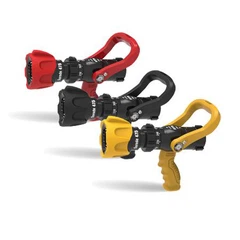
There are many different types of fire nozzles available for use in firefighting. Each type has unique features and benefits that make it well-suited for different applications. Let's take a look at some of the most common types of fire nozzles and what they are used for:
1. Fog Nozzles: These nozzles are designed to produce a fine mist or fog pattern when they are activated. They are most often used for controlling fires in enclosed spaces, as the mist can help to cool down the area and reduce the amount of smoke and toxic fumes.
2. Smooth Bore Nozzles: These nozzles have a fixed opening, which means they produce a solid, straight stream of water. They are most often used for extinguishing fires that require a high reach, such as those from a rooftop or on upper floors of a building.
3. Combination Nozzles: As the name suggests, these nozzles have the ability to produce both a straight stream and a fog pattern. They are versatile and can be used for a wide range of firefighting applications.
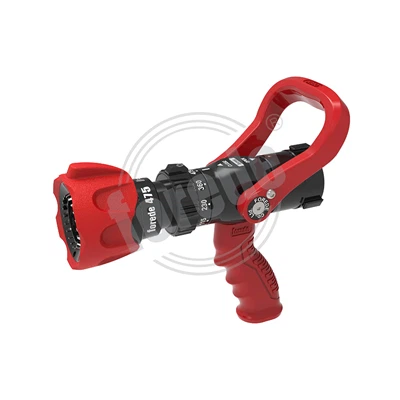
4. Automatic Nozzles: These nozzles are designed to adjust the flow rate of water based on the pressure of the water supply. They are often used in situations where water pressure may fluctuate, such as during a fire that is being fought by multiple fire departments.
5. Piercing Nozzles: These nozzles are designed to pierce through walls, floors, and ceilings to provide direct access to the fire. They are most often used in search and rescue operations, as well as in situations where traditional firefighting methods are not effective.
What is Automatic Fire Nozzle?

What is the advantage of the automatic fire nozzle?
Firstly, an automatic fire nozzle can help prevent a fire from spreading out of control. In the traditional fire extinguishing system, alarms are only triggered when a fire has already started, giving it time to spread rapidly, which can result in widespread damage and loss of life. The automatic nozzle, on the other hand, can detect a fire before it gets out of hand and sprays water immediately, helping to contain the fire and prevent it from spreading.
Secondly, the automatic fire nozzle is easy and convenient to use. Unlike traditional fire extinguishers, which require human intervention to be effective, the automatic nozzle is automated and requires no human intervention. This means that even if the building is empty or the occupants are unable to deal with a fire, the automatic fire nozzle will still be able to perform its job.
Thirdly, the automatic fire nozzle promotes safety in buildings. Fire safety is a crucial aspect of building design, and the automatic fire nozzle helps ensure that safety measures are always in place. By proactively detecting and extinguishing a fire, the nozzle minimizes the risk of injury to occupants and damage to property.
How to use automatic fire nozzle properly?
1. Familiarize Yourself with the Nozzle: Before using an automatic fire nozzle, it is important to read the manufacturer's instructions on how to handle it. Familiarize yourself with the different parts of the nozzle, and how it works. This knowledge will help you use the nozzle efficiently and effectively in an emergency.
2. Wear Personal Protective Equipment: Wear suitable personal protective equipment like gloves, helmets, goggles, and fire-resistant clothing when using the nozzle. This equipment will protect your body from heat and flames during firefighting activities.
3. Choose the Right Flow Rate and Pattern: Choose the appropriate flow rate and pattern for the nozzle depending on the area of the fire. Use the straight stream pattern when shooting water from the nozzle over longer distances, and the fog spray pattern for shorter distances, or where there is a lot of smoke.
4. Positioning of the Nozzle: Keep the nozzle at a safe distance away from the fire. Do not hold it too close to the flames as it may result in high-pressure spray, causing the fire to spread. Maintain the right angle or direction of the nozzle to let the water reach the flames.
5. Monitor the Water Pressure: Ensure you monitor the water pressure when using the automatic fire nozzle. Too much or too little water pressure can cause harm or injury to people and damage to properties.
Contact Us