

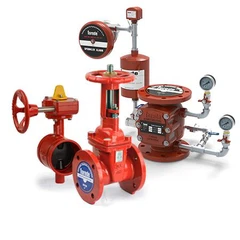

A flange pressure regulating valve is an essential component in piping systems that regulate the pressure of fluids flowing through the pipes. It is widely used in industries such as oil and gas, chemical, pharmaceutical, and many more.
This type of valve comes with a flanged connection that allows easy installation and connection to the piping systems. It works by maintaining a constant pressure differential across the valve, meaning it limits the pressure at a certain point in the system while allowing fluid flow to continue.
The flange pressure regulating valve is designed to ensure safe and efficient operations by preventing the system from experiencing over-pressure or under-pressure conditions. It operates by utilizing a control mechanism that responds to changes in downstream pressure by adjusting the valve opening and closing.
One of the key advantages of using a flange pressure regulating valve is that it helps reduce the risk of mechanical failure in the piping system. This is important because high-pressure fluctuations can cause damage to piping components, which can lead to serious safety hazards and operational downtime.
Moreover, these valves are highly reliable and durable, which ensures their long service life and consistent performance. They are also available in various sizes, materials, and configurations, making them suitable for a wide range of applications.
In summary, the flange pressure regulating valve plays an important role in maintaining the safe and efficient operation of piping systems. It is a reliable and durable component that helps ensure consistent system performance, lowers the risk of mechanical failure, and protects personnel and equipment from damage.