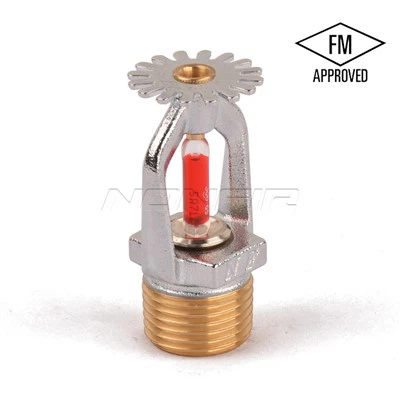

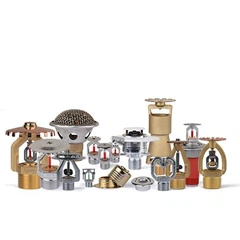
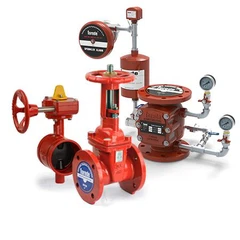
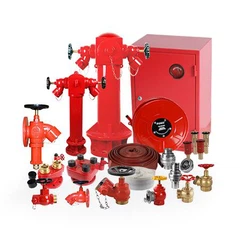

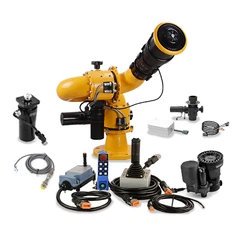
As a critical component of fire protection systems, fire sprinklers have been widely used in buildings and facilities for over a century. A fire sprinkler system is an active fire protection measure that uses water to suppress and control fire. It consists of a network of pipes, valves, and sprinkler heads that are strategically placed throughout a building to provide coverage in the event of a fire.
The primary purpose of a fire sprinkler system is to quickly and effectively extinguish or control fires, thus minimizing property damage and preventing loss of life. In the vast majority of cases, sprinklers are able to contain a fire before it spreads beyond the room of origin, giving occupants ample time to evacuate safely.
Fire sprinkler systems can be categorized into wet, dry, pre-action, and deluge systems. Wet sprinkler systems are the most common and consist of pipes filled with water under pressure, which is released when a sprinkler head is activated by heat. Dry sprinkler systems are used in buildings where the pipes may freeze, and they use compressed air or nitrogen instead of water until a sprinkler head is triggered. Pre-action systems are for high-risk areas and require two triggers to release water - a fire detection signal and a sprinkler head activation. Deluge systems are used in areas where a large volume of water is needed quickly, such as in chemical plants or other hazardous facilities.
Fire sprinklers are designed to operate automatically, without requiring human intervention. They are activated when the heat from a fire causes the sprinkler head to reach a predetermined temperature, typically between 135 and 165 degrees Fahrenheit. When a sprinkler head is activated, it sprays water over the flames, helping to suppress the fire and prevent it from spreading.
Fire sprinkler systems offer numerous advantages over other fire suppression methods. They are highly effective and can quickly control or extinguish fires, prevent flashovers, and reduce the risk of fire-related injuries and fatalities. They are also cost-effective and require minimal maintenance, making them a popular choice for building owners and facility managers.
Overall, fire sprinkler systems are an essential component of any comprehensive fire protection plan. With their ability to provide reliable, round-the-clock protection against fires, they offer peace of mind and help ensure the safety of occupants and property alike.