
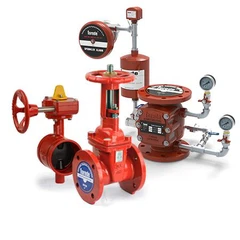

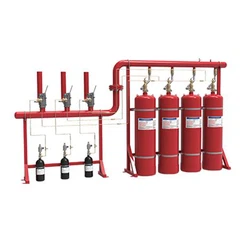
The alarm valve is a critical component in fire protection systems that serves as the main control for releasing water from the sprinkler system during a fire. The working principle of the alarm valve is simple but highly effective.
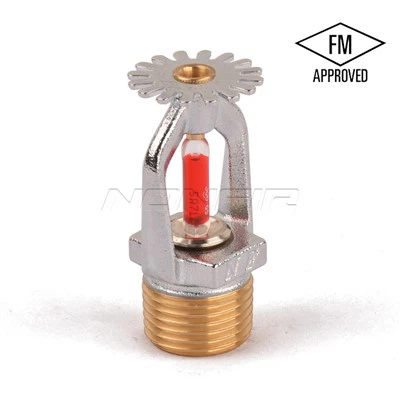
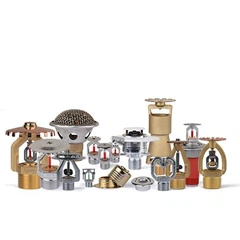
When a fire is detected by the sprinkler heads, the heat from the flames causes the temperature-sensitive fusible links to break, which releases the water from the sprinkler system onto the fire. At the same time, the alarm valve is triggered, which activates an alarm signal to alert occupants of the building and fire department.
The alarm valve has two main components – the water supply control valve and the retard chamber. The water supply control valve is responsible for controlling the release of water from the sprinkler system, while the retard chamber maintains a steady water pressure to prevent water hammer and water flow surges.
When the sprinkler system is not in use, the alarm valve is in a closed position, preventing the water from flowing into the system. When a fire is detected and the sprinklers are activated, the resulting water flow opens the alarm valve, allowing water to flow into the system.
Overall, the alarm valve is a critical component in fire protection systems and relies on a simple but highly effective working principle to maintain the safety of occupants and buildings.