

Products Description
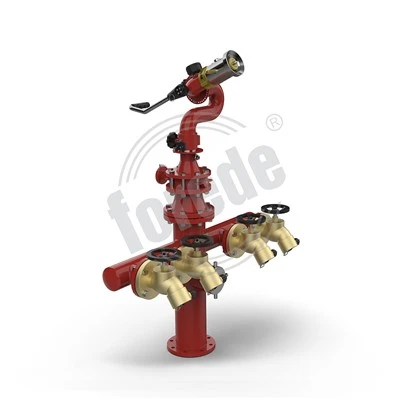
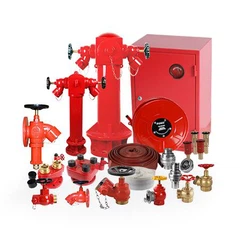
FOREDE landing valve inlet connections are available with threaded or flanged options. Within buildings, the use of threaded options is preferred due to the advantage of lower space requirements and easy installation (especially when installed within Hose cabinets.In industrial settings, where line pressures are higher, the use of flanged connection is considered safer. Many national standards did not allow threaded connections for landing valves (citing safety reasons), but if properly machined and installed (and certified by international testing/certification bodies), they offer operational and financial benefits over flanged connections in certain applications (especially within buildings).
Applications
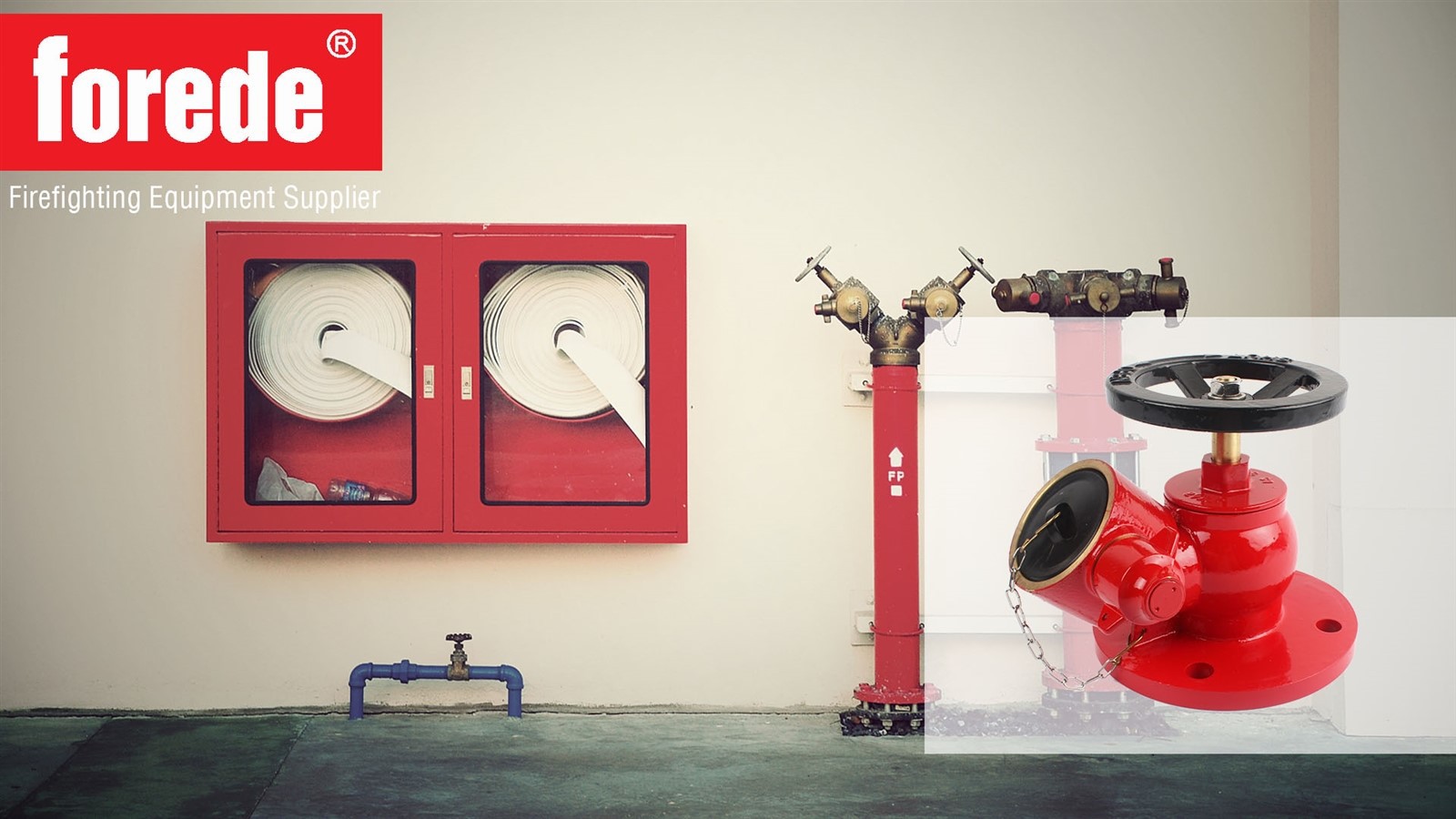
Hydrant systems typically refer to firewater systems for the purposes of municipal or industrial applications. The valves fitted on the hydrant stand posts, as part of the hydrant systems, are called hydrant valves.
To allow easy access for firefighters to extinguish the fire, landing valves are installed on risers of a building, where staircase landings are typically located. For this reason, landing valves can be regarded as all types of valves related to buildings.
The landing valve is considered a core part of the hose system that works as a manual stop valve allowing you to completely control your firefighting system. To activate the water flux of the firefighting system, you simply turn the landing valve handle counterclockwise.
Water pressure matters for high buildings. Therefore, an 11-store building is required to have a fire hydrant on the ground floor and one or two landing valves on each floor.
Fire hydrant valves and landing valves are similar in design, except that they are installed in different places. They are both robust, freeze-proof, and operable under fire testing regulations.