

Two Fire Expos in Two Weeks: Shanghai's Year-End Window Is Now a Delivery Test

Shanghai, November 25, 2026 - December brings two back-to-back fire and emergency-rescue trade shows to Shanghai. The China (Shanghai) International Smart Fire Protection Exhibition (FIRE EXPO) runs December 2–4 at the Shanghai World Expo Exhibition & Convention Center, while the 2026 Shanghai International Smart Fire and Emergency Rescue Exhibition takes place December 9–11 at the Shanghai New International Expo Centre. The two events sit one week apart, with no overlap in show dates - an unusually dense year-end window for the sector.

Products Description
For contractors, EPC firms and overseas buyers, December is the point where project scope meets next year's budget. Selection used to cluster around spring exhibitions; increasingly, buyers compress sampling, price comparison and factory verification into the final quarter so that deliveries can start in Q1. Two shows in one city cut travel cost for visitors - and put suppliers under direct side-by-side comparison within a single week.
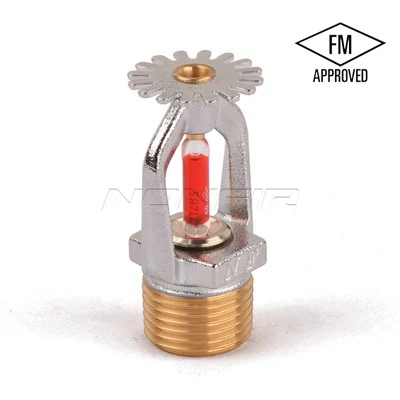
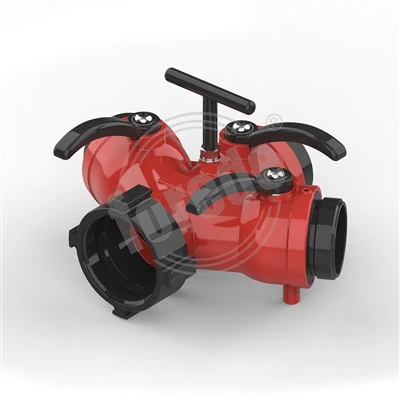
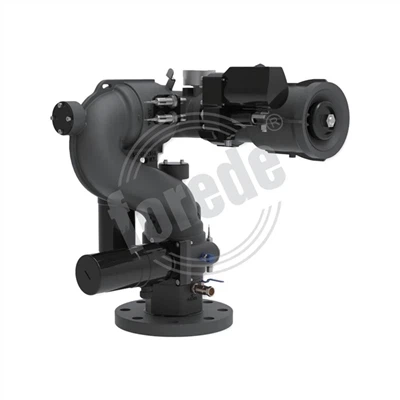
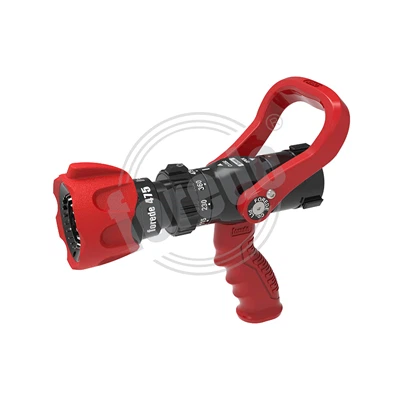
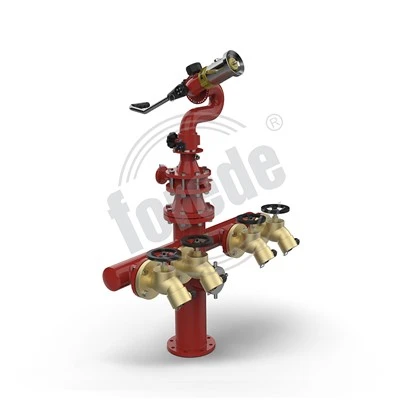
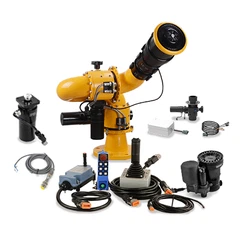
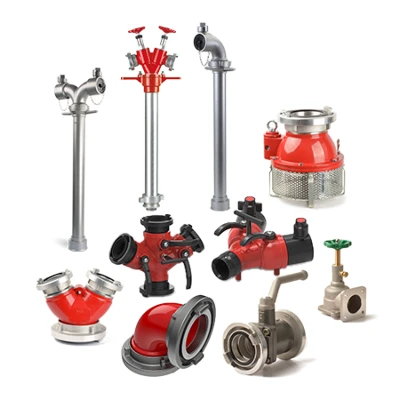
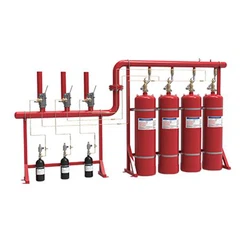
The two events are not identical in positioning. One leans toward smart fire systems and IoT platforms; the other spans rescue equipment, building fire protection and emergency response. Their overlap concentrates on automatic suppression systems, detection and alarm, and 成套 equipment such as fire monitors - which makes the week a reasonably efficient touchpoint for exporters covering both the system side and the hardware side.
Three technical threads worth watching
First, smart fire protection is moving from dashboard demos to closed-loop action. A push notification is no longer a selling point. Buyers now ask about end-to-end latency from detection to video confirmation to positioning to nozzle activation, and about integration with the owner's existing fire alarm panel and building management system. As standards for auto-tracking jet suppression systems have taken hold, this has shifted from an optional highlight to a tender requirement.


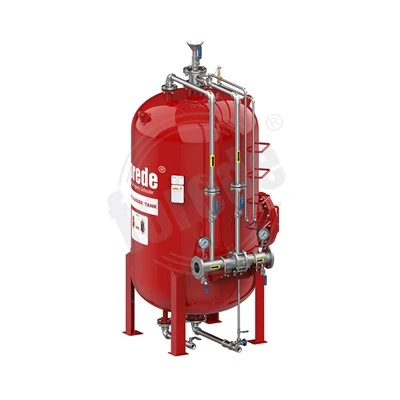
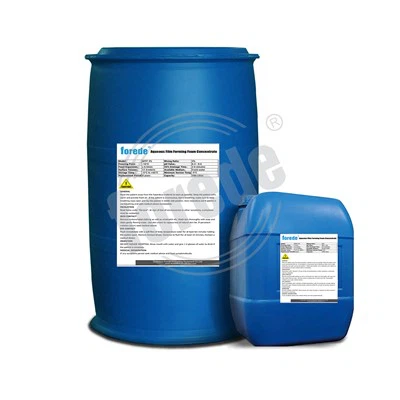
Second, high flow capacity and remote operation remain the focus for petrochemical, port, airport and large-warehouse projects. Overseas specifications increasingly bundle remote control, CCTV-assisted aiming and foam proportioning as a single requirement: the operator positions and discharges from a safe area, which has become the default way of working in high-risk sites.
Third, battery energy storage and new-energy applications are forming a distinct demand segment. Thermal runaway in lithium-ion systems is abrupt, prone to re-ignition and accompanied by toxic gas; sprinklers alone struggle to suppress the early stage. Fixed monitor configurations combining high-flow sustained cooling with precise aiming are appearing far more frequently in BESS, swapping-station and PV substation projects.

Three practical notes for exporters
English selection manuals - plus Russian or Spanish where relevant - with flow, reach and connection tables rather than marketing copy.
A clear certification and test-report matrix: standard number, issuing body, validity. Middle East and Southeast Asian projects often require third-party type testing; EU buyers look at EN-series reports; EAEU markets involve EAC certification.
Spare-parts packing lists and lead times. For long-life equipment, aftersales responsiveness often outweighs first-quote pricing in the buyer's decision.