



Product Description
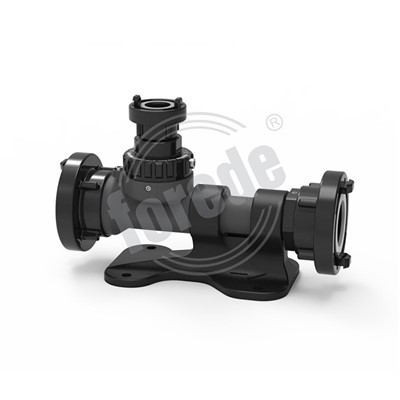
FOREDE Foam Eductors
forede® In line eductor foam is a type of firefighting foam used to combat fires in many industries including oil and gas, chemical, and transportation. This type of foam is designed to mix with water, which creates a foam solution that extinguishes flames by suppressing oxygen and smothering the fire. In line eductor foam is typically used in firefighting systems to protect large facilities such as terminal areas, fuel storage tanks, and aircraft hangars. This foam is designed to be injected into water systems at various points, which allows for the foam to be quickly delivered to the site of the fire. This type of foam is an essential tool in the fight against fires. Its ability to rapidly extinguish flames helps prevent the spread of fires and minimize property damage. Additionally, in line eductor foam is safe to use and poses no threat to the environment or those involved in the firefighting effort.

AFFF Foam System Features
Coupling type: Instanteous,Storz,Gost,Machino,NH
Inlet and Outlet: 2" (DN50)
Foam Inlet:1" (DN25)
Material: Aluminum Alloy
Adjustable Ratios:0.1-0.2-0.5-1-2-3-4-5-6%
Working Pressure: 5 Bar
Max Pressure: 14 Bar
Application: Fire fighting
Type
Foam Ratio
working Pressure
Warranty
Specification
| Model Number | Foam Inductor/Eductor | |||
| Type | In line/Portable | |||
| Foam Ratio | OFF-0.1-0.2-0.5-1-2-3-4-5-6 % | |||
|
Working Pressure |
0.5MPa(5 Bar)-1.4MPa(14 Bar) |
|||
| Flow Rate | 200LPM/400LPM | |||
| Material | Aluminium Alloy | |||
| Application | Foam Firefighting | |||
| Coupling | Storz,NH,INST,Gost,Machino.etc | |||
Frequently Asked Question
FAQ
Q: What is foam eductors?
+
-
A Foam Eductor is a device used in firefighting and industrial applications to mix water and foam concentrate in a specific ratio to produce foam. This foam is then used to suppress fires or clean up spills and leaks.
Here's a more detailed explanation of what a Foam Eductor is:
Function:
The primary function of a Foam Eductor is to mix water and foam concentrate accurately. This is achieved by using a venturi principle, which creates a vacuum that draws the foam concentrate into the water stream. The mixture is then pressurized and dispensed through a foam nozzle or other delivery device.
Types:
There are various types of Foam Eductors, including in-line eductors, portable eductors, and fixed-mount eductors. In-line eductors are typically installed in a pipeline system and are designed for continuous use. Portable eductors are smaller and more lightweight, making them ideal for use in emergency situations or temporary setups. Fixed-mount eductors are permanently installed in a specific location and are often used in industrial or firefighting stations.
Applications:
Foam Eductors are used in a wide range of applications, including firefighting, industrial clean-up, and spill control. In firefighting, foam is used to suppress fires involving flammable liquids, such as gasoline, diesel, and chemicals. In industrial settings, foam is used to clean up spills and leaks, prevent fires, and protect equipment from corrosion and damage.
Advantages:
Foam Eductors offer several advantages, including precision mixing, cost-effectiveness, and environmental benefits. By accurately mixing water and foam concentrate, eductors ensure that the foam produced is effective in suppressing fires or cleaning up spills. Additionally, eductors can reduce waste and lower costs by maximizing the effectiveness of foam concentrate. Finally, some foam eductors can use biodegradable foam concentrates, minimizing the impact on the environment.
Q: How to use foam eductors?
+
-
Foam eductors are devices commonly used in fire suppression systems to aspirate and mix foam concentrate with water, creating a foam solution that is then discharged through nozzles to extinguish fires. Here's how to use foam eductors effectively:
Selection of Foam Eductor:
Choose the appropriate foam eductor based on the type of foam concentrate (A, AFFF, AR-AFFF, etc.) and the required foam proportioning ratio.
Ensure that the eductor is compatible with your fire suppression system and meets the necessary flow rate and pressure requirements.
Installation:
Install the foam eductor in the correct position within the fire suppression system, typically between the water supply and the foam nozzles.
Follow the manufacturer's instructions for installation, ensuring all connections are tight and secure to prevent leaks.
Connection of Foam Concentrate Supply:
Connect the foam concentrate supply line to the eductor's foam inlet port.
Use appropriate fittings and valves to control the flow of foam concentrate into the eductor.
Water Supply Connection:
Connect the water supply line to the eductor's water inlet port.
Ensure that the water supply is adequate to provide the required flow rate and pressure for effective foam production.
Adjusting the Foam Proportioning Ratio:
Adjust the eductor's settings to achieve the desired foam proportioning ratio.
This may involve adjusting valves, flow control devices, or other mechanisms specific to the eductor design.
Operating the System:
Once the system is installed and configured correctly, open the water and foam concentrate supply valves.
Allow water to flow through the eductor, aspirating foam concentrate and mixing it with water to create the foam solution.
Monitor the system's performance, ensuring that the foam is being produced and discharged correctly.
Maintenance and Inspection:
Regularly inspect the foam eductor and associated components for signs of wear, corrosion, or damage.
Clean and maintain the eductor as necessary, following the manufacturer's recommendations.
Replace worn or damaged parts promptly to ensure the system's continued effectiveness.
Training and Documentation:
Provide training to personnel responsible for operating and maintaining the foam eductor system.
Keep detailed records of inspections, maintenance, and repairs to ensure compliance with safety standards and regulatory requirements.
Q: Where we should use foam eductors?
+
-
Foam eductors are versatile devices used primarily in fire suppression systems where foam is required to extinguish fires. Here are some specific applications where foam eductors should be used:
Industrial Facilities:
Foam eductors are often used in industrial settings, such as chemical plants, refineries, and manufacturing facilities, where flammable liquids or gases may be present.
They provide an effective means of generating foam to cover large areas and suppress fires quickly.
Aircraft Hangars and Runways:
In aviation facilities, foam eductors are crucial for protecting aircraft and runway areas from fuel fires.
The foam can quickly cover large areas, reducing the risk of fire spread and enabling rapid extinguishment.
Marine Applications:
Foam eductors are also used on ships and in marine terminals to combat fires involving fuel and other combustible materials.
They can be integrated into the ship's fire-fighting system to provide rapid and effective foam delivery.
Warehouses and Storage Facilities:
In warehouses and storage areas that store flammable materials, foam eductors can be used to create a protective foam blanket over the stored goods.
This can prevent the spread of fire and reduce the risk of damage to inventory.
Oil and Gas Facilities:
Foam eductors are essential in oil and gas facilities, where fires involving hydrocarbons can be particularly dangerous.
They are used to generate foam that can encapsulate and extinguish fires involving oil, gas, and other flammable liquids.
Tunnels and Underground Structures:
In tunnels and underground structures, foam eductors can be used to create a foam barrier that can slow the spread of fire and provide additional protection for occupants and infrastructure.
Agricultural Applications:
Although less common, foam eductors can also be used in agricultural settings to combat fires involving hay, straw, and other combustible materials.
Q: Why we should use foam eductors?
+
-
304 stainless steel meets the international requirements of food grade,316 stainless steel is not only food grade or medical grade. However,the use of this medical grade as a production cup will not bring additional benefits to everyone. Why is it called 304 or 316? This is mainly defined according to the material composition. 316 stainless steel is not similar to mineral materials,after use can release some substances to promote human absorption.
Q: When we should use foam eductors?
+
-
Foam eductors are devices commonly used in fire suppression systems, particularly in foam-based fire fighting applications. They are designed to mix foam concentrate with water to produce a foam solution that is then discharged through foam nozzles to extinguish fires. Deciding when to use foam eductors involves several considerations based on the specific fire scenario and the requirements of the fire suppression system.
Here are some scenarios where foam eductors should be used:
Flammable Liquid Fires: Foam eductors are particularly effective in fighting fires involving flammable liquids such as gasoline, diesel, and other hydrocarbons. The foam blanket created by the foam solution can effectively isolate the fuel from oxygen, thereby extinguishing the fire.
Hazardous Material Fires: In cases where hazardous materials such as chemicals or petrochemicals are involved, foam eductors can be used to produce a specialized foam that is tailored to the specific hazard. This ensures that the fire is extinguished in a safe and controlled manner.
Large-Scale Fires: For large-scale fires that require a significant amount of foam, foam eductors can be used to quickly and efficiently produce the necessary foam solution. This is particularly important in industrial settings where fires can spread rapidly and cover large areas.
Enclosed Spaces: In enclosed spaces such as tanks or vaults, foam eductors can be used to create a foam blanket that seals off the oxygen supply, effectively extinguishing the fire and preventing reignition.
Environmental Considerations: In some cases, foam eductors may be used to minimize environmental impact by reducing the amount of water needed to extinguish a fire. The foam blanket can also help to prevent runoff and contamination of surrounding areas.
When considering the use of foam eductors, it is important to consult with fire protection experts and to ensure that the system is properly designed, installed, and maintained. Additionally, it is crucial to have a clear understanding of the specific foam concentrate being used and its compatibility with the foam eductor.
Recommend Product
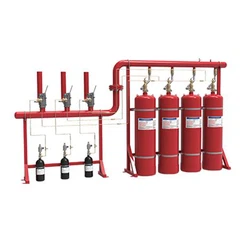
FOAM EXTINGUISHING SYSTEM


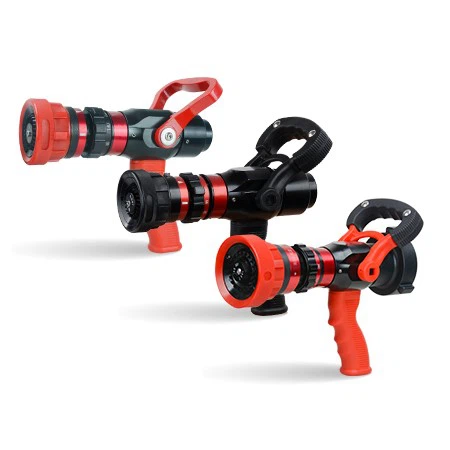
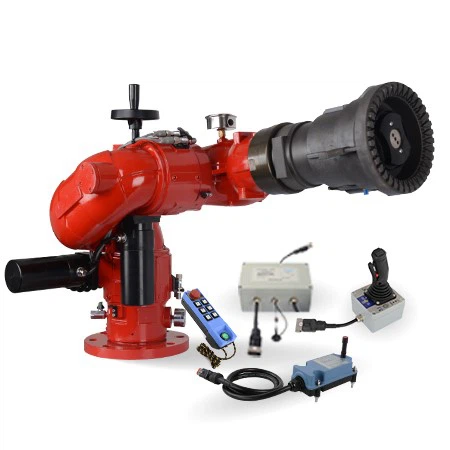
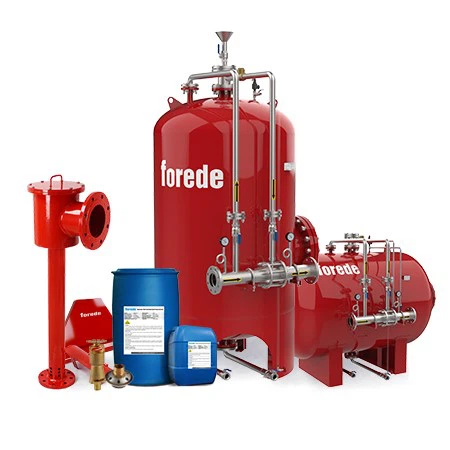
Main Product
Our Main Product

Contact Information
Dear Customer,
Before ordering, please contact with our sales team to discuss order information, such as Model Number, Flow Rate, Material, Control Ways, Package,Etc.
If you have any other requirements or wanna know more info about our products, welcome to contact as well. Our Sales team and Technical Department are willing to support you.
Our address
Nan'an City, Quanzhou City Fujian PRC-China
Phone Number

Hot Tags: foam eductors, China, manufacturers, suppliers, wholesale, price, Branch Foam Inductor, Fire Fighting Foam Eductor, Inline Eductor, Portable Foam Eductor, Fire Fighting Inline Eductor, Bladder Tank Foam System