



7 Properties of Firefighting Foam
7 Properties of Firefighting Foam
Expansion Ratio (low: 3:1–20:1 for surface sealing; high: 200:1–1000:1 for confined spaces) governs coverage density;
Chemical Composition-fluorosurfactants in PFAS-based foams (AFFF) enable rapid vapor suppression but pose environmental risks, while fluorine-free foams (F3) use eco-surfactants for compliance;
Fuel Resistance distinguishes hydrocarbon-compatible foams from alcohol-resistant (AR) variants that form polymer barriers against polar solvents;
Drainage Time determines foam longevity, with slow-draining protein foams sustaining durable blankets versus fast-draining AFFF for quick knockdown;
Vapor Suppression capacity suffocates flames via oxygen exclusion and cooling;
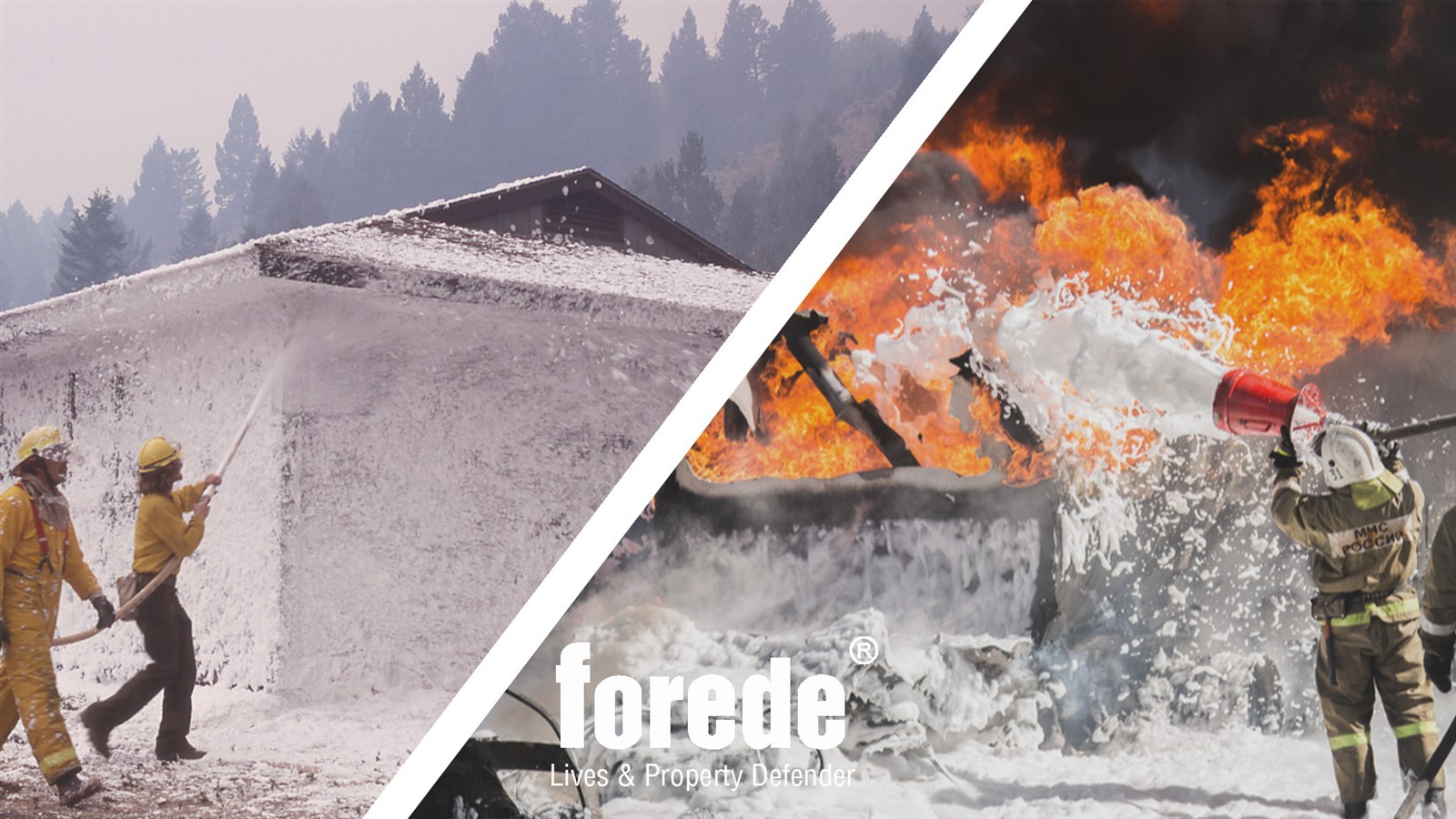
Application Methods span portable nozzles to automated systems like CAFS, optimizing adhesion in structural/wildfire scenarios while cutting water use 50–80%;
Cost Efficiency balances performance and expense-synthetic foams suit limited budgets, whereas high-expansion foams reduce water damage costs in warehouses.
More details please see below
1. Expansion Ratio
Definition: The ratio of foam volume produced to the volume of foam solution (water + concentrate).
Key Types:
Low Expansion (3:1–20:1): Dense foam for surface-level fires (e.g., AFFF).
Medium Expansion (20:1–200:1): Balances coverage and stability for semi-enclosed spaces.
High Expansion (200:1–1000:1): Lightweight foam for flooding confined areas (e.g., ship holds).
Applications:
Low: Fuel storage tanks, airport runways.
High: Mines, warehouses.
Advantages:
High expansion foams minimize water damage; low expansion foams provide rapid fire knockdown.
2. Chemical Composition
Definition: The formulation of surfactants, stabilizers, and additives in the foam concentrate.
Key Types:
AFFF (Aqueous Film-Forming Foam): Synthetic fluorosurfactants form a vapor-suppressing aqueous film.
Protein Foam: Hydrolyzed animal proteins for heat-resistant blankets.
Fluoroprotein Foam: Combines protein stability with fluorosurfactants for fuel resistance.
Alcohol-Resistant (AR) Foams: Polymer additives protect against polar solvents (e.g., ethanol).
Differences:
AFFF excels on hydrocarbons; AR Foams handle water-miscible fuels.
Protein Foams biodegrade faster but have slower knockdown times.
Applications:
AFFF: Oil refineries, military bases.
AR Foams: Chemical plants, ethanol facilities.
3. Fuel Resistance
Definition: The foam's ability to resist mixing with or breaking down upon contact with flammable liquids.
Key Types:
Hydrocarbon-Resistant: AFFF, Fluoroprotein Foam.
Polar Solvent-Resistant: AR-AFFF, AR-Fluoroprotein.
Advantages:
Fluorosurfactants in AFFF prevent fuel pickup.
AR foams form a polymeric barrier against alcohols and ketones.
Applications:
Hydrocarbon-Resistant: Gasoline storage, marine fuel spills.
Polar Solvent-Resistant: Pharmaceutical labs, biodiesel plants.
4. Environmental Impact
Definition: The ecological footprint of foam components (e.g., biodegradability, toxicity).
Key Types:
PFAS-Free Foams: Fluorine-free formulas (F3) to avoid persistent chemicals.
Protein-Based Foams: Biodegradable but less effective on polar solvents.
Advantages:
Modern foams prioritize eco-friendly formulations to meet regulations.
Synthetic Detergent Foams: Low toxicity, suitable for wildfires near water sources.
Applications:
PFAS-Free Foams: Sensitive ecosystems, drinking water protection zones.
5. Drainage Time
Definition: The rate at which water drains from the foam, affecting blanket longevity.
Key Types:
Fast Drainage (e.g., AFFF): Quick knockdown but shorter-lasting coverage.
Slow Drainage (e.g., Protein Foam): Sustained protection for prolonged firefighting.
Applications:
Fast Drainage: Rapid-response scenarios (aircraft crashes).
Slow Drainage: Long-duration fires (crude oil tank fires).
Advantages:
Slow drainage reduces re-ignition risks in industrial settings.
6. Application Method
Definition: How foam is delivered to the fire (manual vs. automated systems).
Key Types:
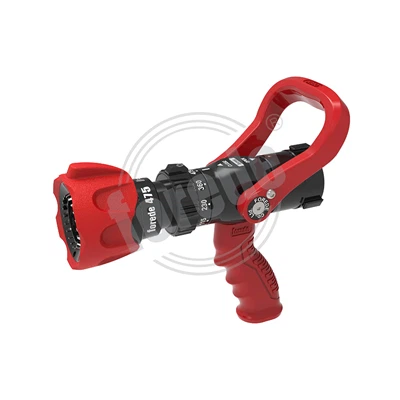
Portable Systems: Nozzles and handheld foam makers for small-scale fires.
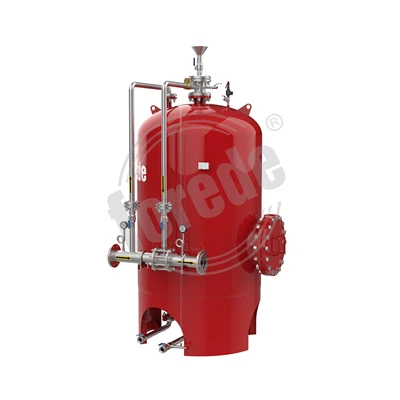
Fixed Systems: Foam chambers, deluge systems for industrial facilities.
CAFS (Compressed Air Foam Systems): Mixes air, water, and concentrate for adhesive, high-impact foam.
Differences:
CAFS uses 50–80% less water than traditional methods.
Fixed Systems enable automatic activation in high-risk zones.
Applications:
CAFS: Structural fires, wildfire containment.
Fixed Systems: Offshore platforms, chemical storage tanks.
7. Cost and Efficiency
Definition: Balance between operational expenses and fire suppression effectiveness.
Key Types:
Budget-Friendly: Synthetic detergent foams (low cost, moderate performance).
High-Efficiency: AR-AFFF (higher cost but dual-purpose for hydrocarbons/polar solvents).
Advantages:
Protein Foams: Low cost for large-scale industrial use.
High Expansion Foams: Reduce water damage costs in warehouses.
Applications:
Budget-Friendly: Rural fire departments, small workshops.
High-Efficiency: Aviation, petrochemical industries.
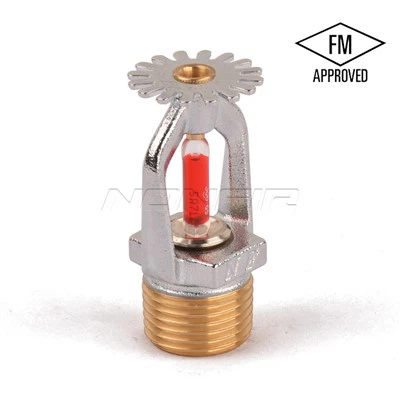
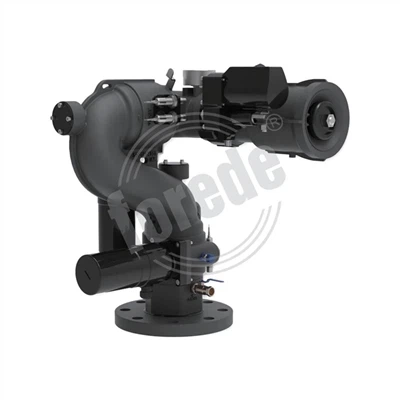
As a leading company in firefighting field,FOREDE has a wide product range including Fire Nozzle&Monitors, Fire Sprinkler Systems, Foam Systems, Fire Hydrant Systems,Fire Truck Accessories.etc.
Our address
Nan'an City, Quanzhou City Fujian PRC-China
Phone Number