


PFOA/S Foam VS Fluorine-Free Foams

PFOA/S Foam VS Fluorine-Free Foams
PFOA/S-based foams (notably legacy AFFF) utilize per- and polyfluoroalkyl substances to create highly effective aqueous films that rapidly suppress hydrocarbon fuel fires via vapor sealing and cooling, offering superior knockdown performance, fuel resistance, and durability in demanding industrial/military settings; however, these PFAS compounds are environmentally persistent, bioaccumulative, and linked to severe health risks (e.g., cancer, immune toxicity), triggering global regulations (e.g., EU restrictions, U.S. EPA phase-outs) and costly contamination remediation liabilities. In contrast, modern fluorine-free foams (F3) employ eco-designed hydrocarbon or silicone surfactants, eliminating PFAS to prioritize environmental safety, biodegradability, and regulatory compliance, though they may exhibit slower fire knockdown, reduced burnback resistance, and narrower polar solvent compatibility, requiring higher application rates or modified hardware; while F3 foams are now mandatory in ecologically sensitive zones (e.g., ports, airports near waterways) and dominate new installations, legacy PFAS foams remain temporarily in high-risk facilities pending safer F3 formulations bridging the performance gap.
1. What is PFOA/S Foam?
PFOA/S (Perfluorooctanoic Acid/Sulfonate) foam contains synthetic fluorinated surfactants ("PFAS"), forming a durable film to rapidly suppress flammable liquid fires (Class B). Highly effective but environmentally persistent, it poses bioaccumulation and health risks.
2. What is Fluorine-Free Foam (F3)?
Fluorine-Free Foam (F3) uses hydrocarbon surfactants instead of PFAS. It extinguishes fires by sealing fuel surfaces and cooling, minimizing environmental/health impacts. Less persistent than PFOA/S but may require higher application rates.
3. How to Choose Between Them?
| Factor | PFOA/S Foam | Fluorine-Free Foam (F3) |
|---|---|---|
| Effectiveness | Superior for fast suppression | Good, but slower on polar solvents |
| Environmental Impact | High persistence (PFAS pollution) | Biodegradable, eco-friendly |
| Regulations | Banned/restricted in many regions | Compliant with global bans (e.g., EU, US states) |
| Cost | Lower upfront cost | Higher initial cost, lower long-term liability |
*Choose F3 for eco-sensitive sites; PFOA/S only where regulations allow and risk demands extreme efficacy.*
4. Where to Use Each?
PFOA/S Foam:
Legacy systems in industrial zones (oil refineries, chemical plants) where regulations permit.
High-risk military/aviation sites needing maximum fire knockdown.
Fluorine-Free Foam (F3):
Airports near waterways, municipal fire brigades, eco-sensitive areas (ports, forests).
New installations under PFAS bans (e.g., EU, California).
5. How to Use Them?
Application:
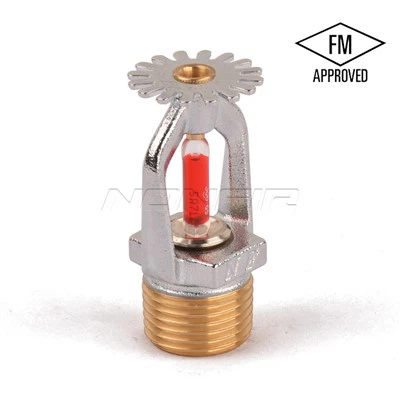
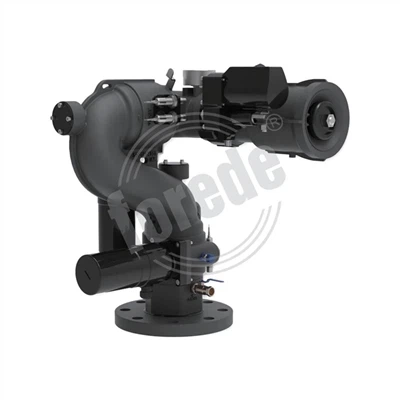
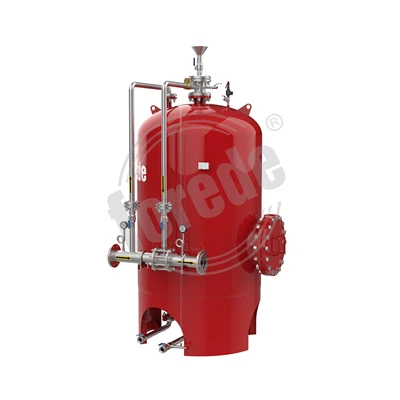
Both use foam proportioners (3–6% ratio) with monitors/sprinklers.
Key Differences:
PFOA/S: Stable performance across fuel types (hydrocarbons/polar solvents).
F3: May need higher application rates (≥6%) for polar solvents (e.g., ethanol).
Storage/Handling:
PFOA/S requires PFAS containment protocols; F3 has no special disposal restrictions.
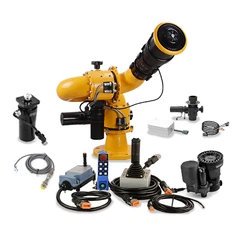
As a leading company in firefighting field,FOREDE has a wide product range including Fire Nozzle&Monitors, Fire Sprinkler Systems, Foam Systems, Fire Hydrant Systems,Fire Truck Accessories.etc.
Our address
Nan'an City, Quanzhou City Fujian PRC-China
Phone Number