

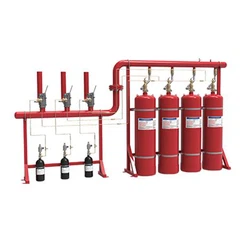

What is Fire Protection Solutions Deluge Valves?
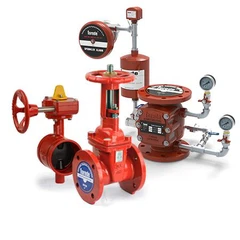
forede Fire Alarm Deluge Alarm Valve integrates deluge suppression and real-time alarm functionality, featuring a corrosion-resistant design, precision clapper, and built-in high-decibel alarm module. Operating in dry-pipeline configurations, it ensures synchronized fire suppression and alarm activation, critical for high-risk scenario emergency response. Key strengths include 3-8 second rapid response, synchronized suppression-alarm, harsh environment durability, and multi-mode activation with redundancy. It is widely used in petrochemical plants, power stations, hazardous warehouses, and public infrastructure.
General Description
forede Fire Alarm Deluge Alarm Valve is an integrated fire protection component that combines deluge valve functionality with real-time alarm transmission, specifically designed for high-risk scenarios requiring synchronized fire suppression and alarm notification. Unlike conventional deluge valves that rely on external alarm devices, this product integrates a built-in alarm module directly into the valve structure, forming a unified "suppression + alarm" system. Characterized by open-sprinkler configuration and dry-pipeline operation, the valve remains closed during standby, keeping the pipeline free of pressurized water while the integrated alarm module stays in 24/7 monitoring mode.
Constructed from high-strength 316 stainless steel or reinforced cast steel, the valve features a precision spring-loaded clapper, a modular pilot control unit (compatible with electric, pneumatic, or hydraulic activation), and an integrated alarm assembly (including high-decibel acoustic alarm and signal transmission interface). Its core function is to trigger two synchronized actions upon fire detection: instant full-coverage water discharge via open sprinklers and immediate alarm activation. The valve supports water flow rates up to 220 m³/h and working pressures of 0.2-1.6 MPa, while the built-in alarm can generate an 110+ dB acoustic signal and transmit a digital signal to the fire control center, ensuring both on-site personnel evacuation and remote emergency response.
A key attribute of this valve is its "one-body dual-function" design, which eliminates compatibility issues between independent deluge valves and alarm devices. The integrated alarm module is directly linked to the valve's activation mechanism, ensuring zero delay between valve opening and alarm triggering-critical for high-risk environments where every second impacts evacuation and fire containment. It is compatible with various fire detection sensors (UV flame, IR heat, smoke detectors) and can be integrated into centralized fire control systems, serving as a core component for fire protection scenarios that demand both rapid suppression and timely alarm notification.
Advantages
forede Fire Alarm Deluge Alarm Valve offers five core advantages centered on its integrated "suppression + alarm" functionality, focusing on synchronization, reliability, and adaptability to high-risk fire scenarios. These advantages address the critical need for coordinated fire response, where timely alarm notification and rapid suppression are equally essential to minimizing losses.
synchronized suppression and alarm activation. The integrated design ensures that the alarm is triggered simultaneously with valve opening, eliminating the delay caused by separate suppression and alarm systems. The built-in 110+ dB acoustic alarm provides immediate on-site notification to facilitate rapid personnel evacuation, while the digital signal transmitted to the fire control center enables quick dispatch of emergency resources. This synchronization ensures that suppression and evacuation efforts start concurrently, maximizing the effectiveness of fire response.
robust durability with integrated protection. The valve body and alarm module are both constructed from industrial-grade corrosion-resistant materials, with a sealed design that withstands extreme environments (temperature range: -25°C to 85°C, high humidity, chemical fumes, and dust). The spring-loaded clapper features wear-resistant seals and anti-jamming design, while the alarm module is equipped with waterproof and dustproof protection (IP65 rating). This durability ensures reliable operation even after long-term standby (up to 10 years of maintenance-free standby), making it suitable for harsh industrial and outdoor environments.
multi-mode activation and alarm redundancy. The valve supports three activation modes (automatic detection-triggered, manual on-site, and remote control) to enhance reliability. In automatic mode, it activates via linked detection sensors; the manual override (ergonomic handwheel) allows direct activation in case of sensor failure; remote activation is available via the fire control center. The alarm module also features dual redundancy: the acoustic alarm and digital signal transmission work independently, ensuring alarm notification even if one channel fails-critical for high-risk scenarios where alarm failure is intolerable.
modular design for easy integration and maintenance. The valve's modular structure allows independent maintenance of the suppression and alarm components without removing the entire valve from the pipeline. Key parts (pilot unit, seals, alarm speaker, signal transmitter) can be replaced or upgraded individually. Standardized flange connections (ANSI Class 125/150, GB/T 9119) ensure compatibility with various pipeline sizes and fire control systems. This modularity reduces maintenance downtime and costs, while the integrated design simplifies system installation compared to separate valve and alarm setups.
How Do Fire Alarm Deluge Alarm Valves Work?
forede Fire Alarm Deluge Alarm Valve operates through a coordinated three-stage process-standby, activation, and suppression-alarm synchronization-that leverages its integrated "suppression + alarm" design. This mechanism ensures that fire suppression and alarm notification occur simultaneously, maximizing the effectiveness of emergency response in high-risk scenarios.
Standby Stage: Dual Readiness for Suppression and Alarm During normal operation, the valve's spring-loaded clapper remains tightly closed, sealed by internal spring tension and pilot pressure (pneumatic/hydraulic). The sprinkler pipeline is dry and depressurized. Meanwhile, the integrated alarm module is in 24/7 monitoring mode: the acoustic alarm is muted, and the signal transmission interface maintains a stable connection with the fire control center. Pressure gauges continuously transmit pilot pressure and main water supply data to the control center, and linked detection sensors monitor the protected area, ensuring both the suppression and alarm systems are ready.
Activation Stage: Signal Verification and Synchronized Trigger When a fire breaks out, detection sensors (heat, smoke, flame) identify the hazard and transmit a signal to the fire control center. The center verifies the signal (to avoid false alarms) and sends an activation command to the valve's pilot control unit. The pilot unit immediately releases pilot pressure, disrupting the clapper's force balance. The high-pressure main water supply pushes the clapper open within 3-8 seconds. Simultaneously, the valve's activation mechanism triggers the integrated alarm module: the acoustic alarm emits a 110+ dB signal, and the digital interface transmits an alarm signal to the control center with the valve's location information.
Suppression-Alarm Stage: Continuous Action and System Synergy Once the clapper is fully open, high-pressure water rushes into the dry pipeline and discharges simultaneously from all open sprinklers, creating a uniform water curtain to suppress the fire. The integrated alarm remains active to guide on-site personnel evacuation. The valve's pressure switch transmits real-time flow and pressure data to the control center, which may trigger additional actions (e.g., starting backup fire pumps, shutting down fuel/electricity supply). The valve stays open until the fire is extinguished and the main water supply is manually shut off. Afterward, the valve and alarm module are reset, and the system returns to standby mode following drainage and maintenance.
Application
Petrochemical and Chemical Processing Facilities
Petrochemical and Chemical Processing Facilities are primary application areas. Oil refineries, chemical plants, fuel storage terminals, and ethylene production facilities-where flammable liquids, gases, and toxic chemicals are handled-rely on this valve to provide synchronized suppression and alarm. The instant alarm triggers on-site evacuation, while the rapid water discharge cools storage tanks and equipment to prevent explosions. The valve's corrosion-resistant design withstands chemical fumes, and its dual alarm redundancy ensures reliable notification even in harsh industrial environments.
Power Generation Facilities
Power Generation Facilities utilize these valves as key components of their fire protection solutions. Coal-fired, gas-fired, and nuclear power plants integrate the valves into fire suppression systems for boiler rooms, turbine halls, cable tunnels, and transformer stations. Electrical fires in these areas can spread rapidly through cables and equipment, causing widespread power outages. The valves, linked with heat detectors and smoke sensors, deliver full-coverage water suppression to contain fires in critical power generation areas, ensuring operational continuity and preventing catastrophic equipment damage. They are also used in renewable energy facilities such as large-scale solar power plants to protect inverter rooms and energy storage systems.
Large-Scale Warehousing and Logistics Hubs
Large-Scale Warehousing and Logistics Hubs requiring comprehensive fire coverage rely on these valves. Warehouses storing flammable goods (aerosols, chemicals, textiles), cold storage facilities with flammable refrigerants, and logistics distribution centers integrate the valves into their fire protection solutions to provide全域 coverage. Unlike conventional sprinkler systems, the valves deliver simultaneous water discharge across large open spaces and multi-level storage racks, forming a solution that addresses the challenge of fire spread in expansive, high-density storage environments. The valves are often paired with smoke detection networks to ensure early activation and full-area suppression.
Critical Infrastructure and Transportation Hubs
Critical Infrastructure and Transportation Hubs also deploy these valves as part of their fire protection solutions. Airports (especially aircraft hangars and fuel storage areas), railway stations, subway systems, and road tunnels integrate the valves with multi-sensor detection systems to protect crowded public spaces and critical infrastructure. Aircraft hangars, for example, use large-scale deluge solutions centered on these valves to suppress fires involving aircraft fuel, delivering massive water flow to cool the aircraft and prevent fire spread. Tunnels and subway stations use the valves to form longitudinal fire suppression solutions, containing fires in enclosed spaces where smoke accumulation and rapid spread are major risks.