


Comprehensive Overview of Fire Butterfly Valve
Fire butterfly valve is an essential component in fire protection systems, ensuring the quick and effective control of water flow during emergencies. This type of valve is designed to provide reliable and secure shut-off capabilities in the event of a fire, helping to prevent the spread of flames and protect life and property.
One of the key advantages of a fire butterfly valve is its simple and easy operation, allowing firefighters to quickly access and control the flow of water to extinguish the fire. Its compact and lightweight design also makes installation and maintenance hassle-free, saving time and effort in crucial situations.
Moreover, fire butterfly valves are highly durable and resistant to high temperatures, making them a dependable choice for fire protection systems. With their superior performance and reliability, these valves play a crucial role in ensuring the safety of buildings and occupants during emergencies.
1. Design and Construction
1.1. Basic Structure
A fire butterfly valve consists of several key components:
- Body: Typically made of ductile iron, cast iron, or stainless steel, the body houses the internal components and provides the connection points for piping.
- Disc: The disc is the primary flow control element, which rotates within the valve body to regulate flow.
- Stem: The stem connects the disc to the actuator, transmitting the rotational force to open or close the valve.
- Seat: The seat provides a sealing surface for the disc, ensuring a tight closure when the valve is shut.
- Actuator: The actuator can be manual (lever or gear-operated) or automatic (electric, pneumatic, or hydraulic), enabling the operation of the valve.
1.2. Materials
The materials used in fire butterfly valves are chosen for their durability, corrosion resistance, and ability to withstand high temperatures:
- Body and Disc: Ductile iron, cast iron, or stainless steel.
- Seat: EPDM (Ethylene Propylene Diene Monomer), Viton, or PTFE (Polytetrafluoroethylene) for their excellent sealing properties and resistance to fire and chemicals.
- Stem: Stainless steel for strength and corrosion resistance.
1.3. Coatings and Finishes
To enhance durability and resistance to environmental factors, fire butterfly valves often feature protective coatings:
- Epoxy Coatings: Applied to the exterior to prevent corrosion.
- Internal Linings: Such as epoxy or rubber linings to protect against corrosive fluids.
2. Applications
2.1. Fire Sprinkler Systems
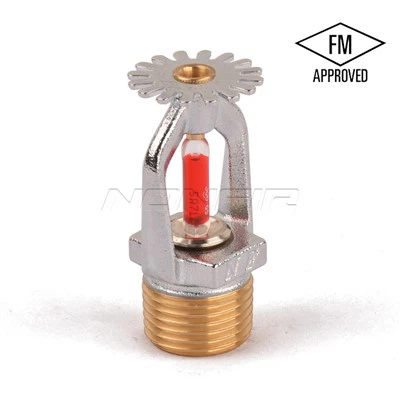
Fire butterfly valves are integral components of fire sprinkler systems, controlling the flow of water to sprinkler heads. They ensure that water is delivered promptly and efficiently in the event of a fire.
2.2. Standpipe Systems
In standpipe systems, fire butterfly valves regulate the flow of water to hose connections, enabling firefighters to access water at various levels of a building.
2.3. Fire Hydrant Systems
Fire hydrant systems use fire butterfly valves to control the flow of water to hydrants, ensuring that water is available for firefighting operations.
2.4. Deluge Systems
Deluge systems, which are used in high-hazard areas, rely on fire butterfly valves to control the release of large volumes of water or fire suppressants in response to a fire.
2.5. Pre-action Systems
Pre-action systems, which require a two-step activation process, use fire butterfly valves to control the flow of water. These systems are designed to minimize the risk of accidental discharge.