


Deluge Valve Maintenance
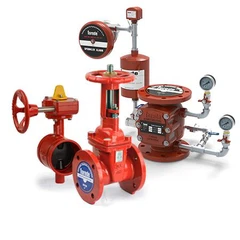
A deluge valve is a crucial component in a fire fighting system, specifically in high-risk areas such as chemical plants, refineries, power plants, and aircraft hangars. Its main function is to quickly deliver large volumes of water to a fire in order to suppress and extinguish it effectively.
One of the key advantages of a deluge valve is its ability to release a large amount of water rapidly. This is especially important in high-hazard environments where fires can spread quickly and escalate in intensity within minutes. By rapidly flooding the affected area with water, the deluge valve helps to contain the fire and prevent it from spreading further.
In addition to its fast response time, the deluge valve is also capable of covering a wide area with water. This is essential for combating fires in large industrial settings where traditional sprinkler systems may not be sufficient. The deluge valve can be set up to deliver water through a network of pipes and nozzles, ensuring that the entire area is protected from the fire.
Importance of Regular Deluge Valve Maintenance
- Valve Seizure: Corrosion or debris can prevent the valve from opening fully, delaying water discharge.
- False Activations: Faulty pilot systems may trigger unnecessary discharges, causing water damage and operational disruptions.
- Leakage: Worn seals or diaphragms lead to slow water loss, reducing system pressure and response times.
- Non-Compliance: Neglected systems risk violating NFPA, FM Global, or local safety codes, resulting in fines or insurance invalidation.
Maintenance Schedule & Key Tasks
A. Daily Checks (5–10 Minutes)
- Supervisory Alarms: Verify pressure/flow indicators on control panels show no abnormalities (e.g., low air pressure in pneumatic pilots).
- Visual Inspections: Look for leaks around valve bodies, pipe connections, or pilot trim.
- Tamper Switches: Ensure they are secure and not obstructed.
B. Weekly/Monthly Tasks (1–2 Hours)
Pilot System Testing:
- Electric Solenoids: Use a multimeter to check continuity (should read ≤1 ohm).
- Pneumatic Actuators: Test air supply pressure (typically 60–120 PSI) and check for air line leaks.
- Strainer Cleaning: Remove debris from strainers to prevent valve blockage.
- Water Supply Checks: Ensure isolation valves are open and water pressure meets design specifications (e.g., 70–150 PSI for most systems).
C. Quarterly Inspections (4–8 Hours)
Simulated Activation:
Manually trigger the pilot valve (if permitted by manufacturer guidelines) to confirm the main valve opens within ≤5 seconds.
Measure flow rates at discharge nozzles using pitot tubes or ultrasonic meters (should match hydraulic calculations).
Pressure Switch Testing: Verify they signal valve activation to the fire alarm control panel (FACP).
Check Valve Functionality: Ensure one-way flow prevents backflow into the water supply.
D. Annual Maintenance (8–16 Hours)
- Full-Flow Testing:
- Open the deluge valve manually and record flow rates/pressures across the system.
- Compare results to original commissioning data (deviations >10% may indicate blockages or pump issues).
- Component Replacement:
- Seals/Diaphragms: Replace rubber or EPDM components every 5–7 years to prevent leaks.
- Pilot Trim: Swap out solenoids, pressure switches, and strainers per manufacturer recommendations.
- Corrosion Assessment:
- Inspect valve bodies and pipes for rust (apply epoxy coatings if needed).
- For marine/chemical environments, test stainless steel components for pitting (use ultrasonic thickness gauges).
- Freeze Protection Verification:
- In cold climates, check heat tracing systems and antifreeze concentrations (glycol-based solutions should be tested for freezing point depression).
E. 5–10 Year Overhauls
- Valve Body Inspection: Disassemble the main valve to check for internal corrosion, scale buildup, or warped seats.
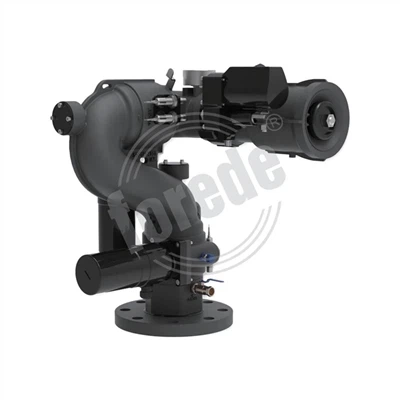
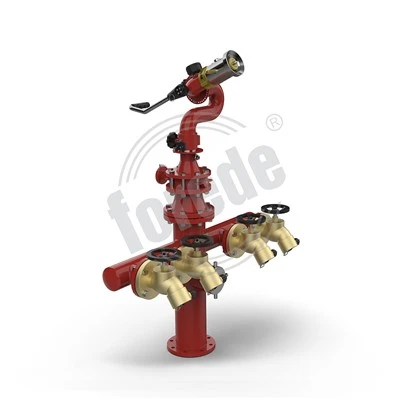
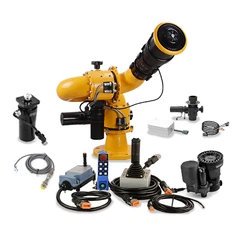
- Hydrant/Monitor Testing: Ensure auxiliary discharge devices (e.g., fire monitors) operate smoothly.
- Documentation Review: Update as-built drawings and maintenance logs to reflect component replacements.