

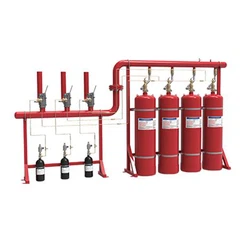

Function of Deluge Valve in Fire Fighting System
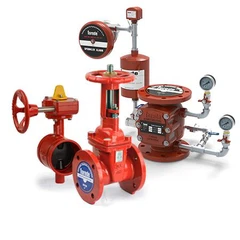
A deluge valve is a crucial component in a fire fighting system, specifically in high-risk areas such as chemical plants, refineries, power plants, and aircraft hangars. Its main function is to quickly deliver large volumes of water to a fire in order to suppress and extinguish it effectively.
One of the key advantages of a deluge valve is its ability to release a large amount of water rapidly. This is especially important in high-hazard environments where fires can spread quickly and escalate in intensity within minutes. By rapidly flooding the affected area with water, the deluge valve helps to contain the fire and prevent it from spreading further.
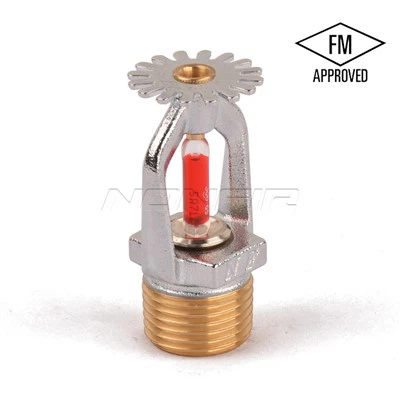
In addition to its fast response time, the deluge valve is also capable of covering a wide area with water. This is essential for combating fires in large industrial settings where traditional sprinkler systems may not be sufficient. The deluge valve can be set up to deliver water through a network of pipes and nozzles, ensuring that the entire area is protected from the fire.
Core Functionality & Operational Principle
Deluge valves act as hydraulic barriers separating water supplies from discharge piping until activation. When triggered, they open fully, allowing water to flow through all connected nozzles or sprinklers (which are open-ended, not heat-sensitive). Their primary role is to:
- Suppress Fast-Spreading Fires: In industries handling flammable liquids (e.g., oil refineries, chemical plants), deluge systems prevent reignition by smothering flames and cooling fuels before they escalate.
- Protect Critical Infrastructure: Secure transformer yards, aircraft hangars, and tunnels where rapid fire spread poses catastrophic risks.
- Control Vapor Releases: Mitigate explosions in gas storage areas by suppressing flammable vapor clouds.
The valve operates via a pilot-controlled system:
- Normal State: A hydraulic/pneumatic pilot valve remains closed, holding the main valve shut via pressure differential.
- Activation: Triggered by electric signals (from smoke/heat detectors), manual pull stations, or pressure drops (e.g., fusible link rupture).
- Discharge: The pilot valve releases pressure, allowing the main valve to open under water supply pressure, flooding the zone within ≤5 seconds.
Key Components & Design Features
- Main Valve Body: Ductile iron or stainless steel construction, rated for 10–300 PSI (0.7–20.7 bar) with flow capacities up to 10,000 GPM (37,854 L/min).
- Pilot Trim:
- Hydraulic/Pneumatic Actuators: Electric solenoids or compressed air-driven pilots for explosion-proof zones.
- Pressure Switches: Signal valve activation to control panels, triggering alarms and auxiliary systems (e.g., HVAC shutdown).
- Check Valves: Prevent backflow into the supply line.
- Strainers: Filter debris to avoid valve blockage.
- Supervisory Alarms: Monitor low air pressure (in dry pilot systems) or valve tampering.
- Test/Drain Valves: Enable manual operation, system flushing, and post-activation draining.
Applications Across High-Risk Industries
请替换当前内容 A foreign trade website is an online platform designed for cross-border e-commerce and international trade, helping businesses showcase products, attract global buyers, and facilitate transactions.These websites typically feature multi-language support, multi-currency payment options, and convenient logistics solutions to meet the needs of users from different countries.Core functionalities include product display, online inquiries, order management, and customer support systems to ensure efficient communication and collaboration between buyers and sellers.
mill CNC machine
Oil & Gas:
Refineries: Deluge systems protect tank farms, heat exchangers, and pump stations from hydrocarbon fires.
Offshore Platforms: Marine-grade valves (e.g., 316 stainless steel) withstand corrosive saltwater environments.
Chemical Plants:
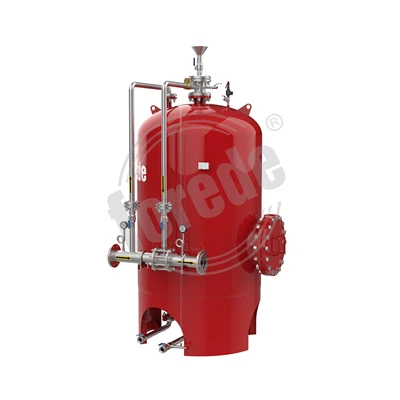
Solvent Storage Areas: Deluge valves paired with foam-water systems for polar/non-polar fuel compatibility.
Reactive Chemical Zones: Instant flooding minimizes runaway reactions (e.g., polymerization fires).
Aviation:
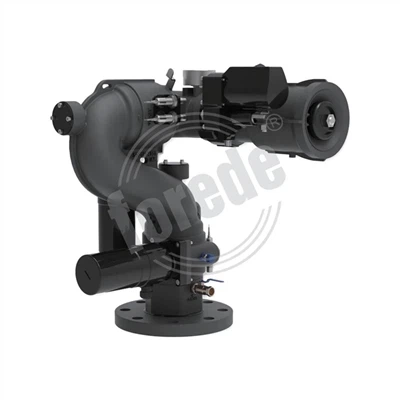
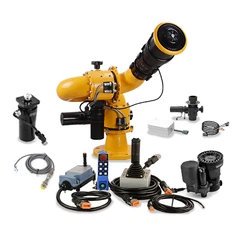
Aircraft Hangars: Oscillating monitors and high-flow deluge valves suppress fuel spill fires.
Helipads: Portable units with low-pressure nozzles for crash response.
Power Generation:
Transformer Yards: Deluge systems cool oil-filled transformers to prevent explosions.
Turbine Enclosures: Water-mist/deluge hybrids protect gas turbines from flammable vapor ignition.
Maritime:
Ship Engines: Fixed deluge systems for bilge/engine room fires.
Cargo Decks: Foam-deluge systems for containerized hazardous materials.