


Difference between Wet and Dry Sprinkler System
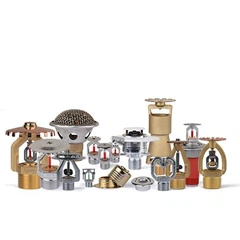
forede® brand Sprinkler systems are an essential component of fire protection in buildings. There are two main types of sprinkler systems: wet and dry systems.
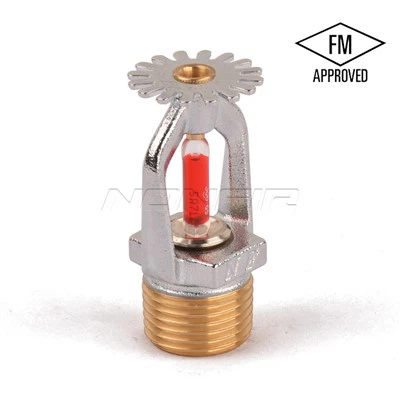
A wet sprinkler system is the most common type and is filled with water at all times. When a fire is detected, the system automatically releases the water through the sprinkler heads to extinguish the fire. Wet systems are typically used in buildings where the temperature is controlled and the risk of freezing is low.
On the other hand, a dry sprinkler system is filled with pressurized air or nitrogen instead of water. When a fire is detected, the air pressure drops, allowing the water to flow through the pipes and out of the sprinkler heads to extinguish the fire. Dry systems are commonly used in unheated buildings such as warehouses or parking garages where there is a risk of freezing.
In summary, the main difference between wet and dry sprinkler systems is the presence of water in the pipes. Wet systems have water in the pipes at all times, while dry systems use air or nitrogen to keep the pipes clear of water until a fire is detected. Both systems are effective in protecting buildings from fire damage and ensuring the safety of occupants.