

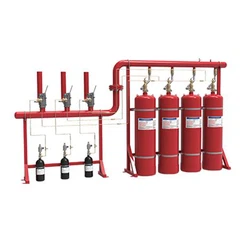

What is Dry Fire Sprinkler?
forede® brand Dry fire sprinkler systems are an essential component of fire safety in buildings and facilities. These systems help prevent fires from spreading and causing extensive damage by quickly and effectively extinguishing flames before they have a chance to grow.
One of the key benefits of dry fire sprinkler systems is that they are designed to work in areas where freezing temperatures may be a concern. Unlike traditional wet pipe systems, dry fire sprinklers have pressurized air or nitrogen in the pipes instead of water, which eliminates the risk of freezing and bursting in cold weather conditions.
In addition to their reliability in cold climates, dry fire sprinkler systems are also highly effective at controlling and suppressing fires. They are activated by heat, which triggers the release of water through the sprinkler heads to quickly extinguish flames and prevent them from spreading.
Overall, dry fire sprinkler systems are an important investment in fire protection and safety for any building or facility. By ensuring that these systems are properly installed and maintained, property owners can have peace of mind knowing that they have a dependable and effective method for controlling fires and protecting lives and property.
❄️ Dry Fire Sprinkler System
- A Fire Protection Solution for Cold Environments -
1. What is a Dry Fire Sprinkler System?
A Dry Fire Sprinkler System is a type of fire suppression system designed for areas where the ambient temperature is below freezing. Unlike wet systems, which are always filled with water, dry systems are filled with pressurized air or nitrogen. Water is only released into the piping network when a fire activates a sprinkler head, preventing pipe freezing and damage in cold environments.
2. How It Works
Here's the basic operating principle of a dry sprinkler system:
Pressurized air or nitrogen fills the piping network, keeping the system valve (called the dry pipe valve) closed.
When a fire occurs and heat activates a sprinkler head, the pressurized air escapes.
As pressure drops, the dry pipe valve opens, allowing water to rush into the pipes and out through the open sprinkler.
Water reaches the fire for suppression-but with a slightly delayed response compared to wet systems.
3. Key Components
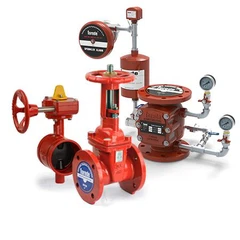
Dry Pipe Valve: The heart of the system; it separates the pressurized air and water supply.
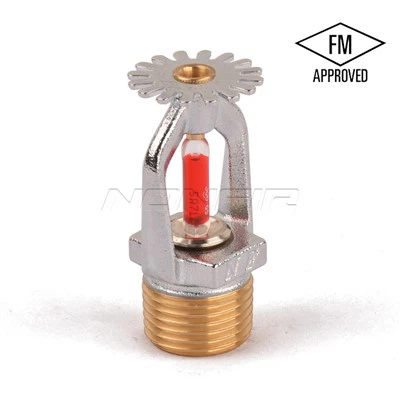
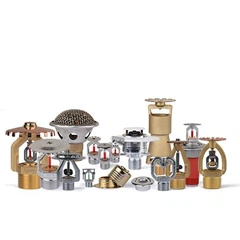
Sprinkler Heads: Usually heat-activated (temperature-sensitive bulbs or fusible links).
Air Compressor / Nitrogen Generator: Maintains pressure in the dry pipes.
Piping Network: Filled with air under pressure; must be properly sloped to drain any water accumulation.
Accelerator (optional): Speeds up system activation by quickly venting air.
Water Supply & Alarm Devices: Provide water and signal the fire alarm system during activation.
4. Where Is It Used?
Dry sprinkler systems are ideal for cold or unheated areas where water-filled pipes would freeze and burst, such as:
Parking garages
Unheated warehouses or loading docks
Attics and crawl spaces
Outdoor storage areas
Refrigerated or freezer rooms
Cold climates with limited interior heating
5. Types of Dry Sprinkler Installations
Standard Dry Pipe Systems: Used in typical cold environments.
Dry Pendent Sprinklers: Extended downward into refrigerated spaces.
Dry Sidewall Sprinklers: Installed horizontally into cold walls from a heated space.
6. Advantages
✅ Freeze Protection – Pipes are dry until needed
✅ Automatic Fire Suppression – Activates without human intervention
✅ Minimizes Water Damage – Only heads near the fire activate
✅ NFPA-Compliant – Meets fire safety codes for cold environments
✅ Reliable in Harsh Conditions – Used where wet systems fail
7. Limitations
⚠️ Delayed Water Delivery – Takes longer to discharge water compared to wet systems
⚠️ More Complex Design – Requires careful installation, pipe slope, and drainage
⚠️ Higher Installation & Maintenance Costs – Includes air systems and valve assemblies
⚠️ Limited Use Cases – Not recommended for warm environments
8. Conclusion
The Dry Fire Sprinkler System is a smart and reliable solution for fire protection in sub-zero environments. It ensures fire safety where water in pipes could otherwise freeze and cause failure. When designed and maintained properly, it provides essential life safety and property protection in even the coldest settings.