


Dry Fire Sprinkler for Fire Protection System
Fire safety is a top priority in any building, and choosing the right sprinkler system plays a crucial role in safeguarding lives and property. Among the various types of fire sprinkler systems, dry fire sprinkler systems stand out as an innovative solution designed to provide effective protection in environments where traditional wet systems might face challenges.
A dry fire sprinkler system operates by using pressurized air or nitrogen in its piping, which holds back the water supply until a fire triggers the sprinkler heads. Once activated by heat, the system quickly releases water to suppress the fire, minimizing damage and enhancing safety. This design makes dry systems especially suitable for spaces that are vulnerable to freezing temperatures, such as unheated warehouses, parking garages, and outdoor areas.
One of the greatest advantages of dry fire sprinkler systems is their adaptability. They offer peace of mind in conditions where water-filled pipes could freeze and burst, ensuring consistent fire protection year-round. Moreover, these systems are built to activate swiftly and efficiently, providing early fire control and enabling safe evacuation.
By integrating a dry fire sprinkler system, property owners demonstrate a proactive commitment to safety and resilience. This technology not only helps protect valuable assets but also contributes to creating safer environments for employees, residents, and visitors alike.
In summary, dry fire sprinkler systems combine smart engineering with dependable performance, offering an excellent fire safety solution tailored to challenging conditions. Embracing this technology is a positive step towards enhanced protection and peace of mind in any setting.
1. Overview
A Dry Fire Sprinkler System is a type of automatic fire protection system that uses pressurized air or nitrogen instead of water in its sprinkler pipes. It's primarily designed for areas exposed to low temperatures where water-filled pipes could freeze, causing damage and system failure.
When a fire occurs, heat triggers one or more sprinkler heads, releasing the pressurized air and allowing water to flow into the system through a dry-pipe valve. This ensures the sprinklers only contain water when actively fighting a fire.
2. How It Works
Normal Standby Condition
Sprinkler pipes are filled with air/nitrogen at a maintained pressure.
The dry-pipe valve separates the water supply from the piping network.
Fire Activation
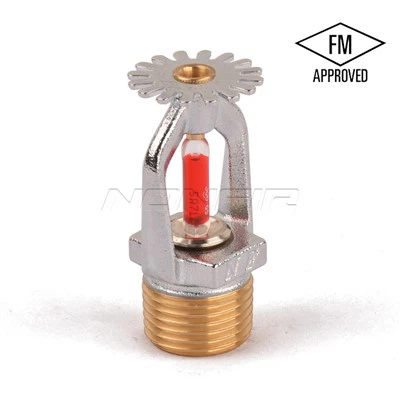
Heat from a fire opens a sprinkler head's glass bulb or fusible link.
Air escapes through the open head, lowering system pressure.
Valve Opening
When air pressure drops enough, the dry-pipe valve opens, allowing water to flood the pipes.
Fire Suppression
Water discharges through the activated sprinkler heads to suppress or extinguish the fire.
Water movement triggers connected alarm devices.
3. Key Components
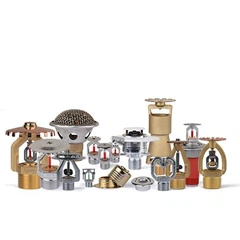
Dry Sprinkler Heads – May be pendent, upright, or sidewall type, designed for dry systems.
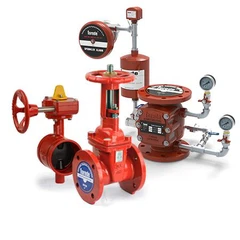
Dry-Pipe Valve – Holds back water until activation.
Air Compressor / Nitrogen Generator – Maintains air pressure in the pipes.
Alarm Devices – Water motor gongs, pressure switches, or flow alarms.
Main Water Supply – Typically connected via municipal water or a fire pump.
4. Advantages
Freeze Resistance – Safe for cold or unheated environments.
Reduced Internal Corrosion – No standing water in pipes during standby.
Automatic and Reliable – Operates without human intervention.
5. Limitations
Slight Delay in Water Delivery – Water travel time after activation is longer than in wet-pipe systems.
Higher Installation & Maintenance Costs – Additional valves, air equipment, and inspections.
Complexity – Requires regular air pressure checks and valve maintenance.
6. Typical Applications
Outdoor loading docks
Cold storage warehouses
Parking garages
Attics in cold climates
Aircraft hangars (in some configurations)