


What is Fire Protection Solutions Deluge Valves?
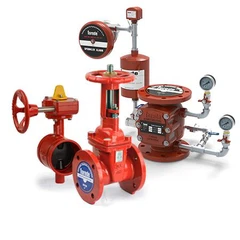
forede Fire Alarm System Deluge Alarm Valve is a core executive component integrated into fire alarm systems, featuring corrosion-resistant construction, precision control mechanisms, and standardized interfaces for seamless system connectivity. Operating in dry-pipeline configurations, it realizes synchronized "detection-alarm-suppression" workflows, serving as the critical link between fire monitoring and suppression actions. Key strengths include zero-delay coordinated response, systematic fault warning, harsh environment adaptability, and flexible scalability. It is widely deployed in petrochemical plants, power stations, airports, and hazardous warehouses-high-risk areas requiring comprehensive fire alarm and suppression systems. Working via a closed-loop process of monitoring, verification, activation, and feedback, it ensures coordinated emergency response while transmitting real-time status to the fire alarm system. As an integrated system component, it enhances fire protection reliability and systematic manageability, safeguarding high-risk environments effectively.
General Description
forede Fire Alarm System Deluge Alarm Valve is a core executive component integrated into comprehensive fire alarm systems, designed to realize synchronized "detection-alarm-suppression" workflow in high-risk fire scenarios. Unlike standalone deluge valves or simple alarm-equipped valves, this product serves as the critical link between the fire alarm system and the deluge suppression system, featuring built-in high-performance linkage interfaces that seamlessly connect with fire alarm control panels, detection sensors, and auxiliary fire equipment (e.g., fire pumps, emergency shutoff valves). Characterized by an open-sprinkler configuration and dry-pipeline operation, the valve remains in a pressure-sealed standby state during normal operation, while its status (pressure, readiness) is continuously monitored and fed back to the fire alarm system.
Constructed from industrial-grade 316 stainless steel or reinforced ductile iron, the valve integrates a precision spring-loaded clapper mechanism, a solenoid/pneumatic pilot control unit, and a dual-channel signal transmission module. Its core function is to execute suppression actions under the command of the fire alarm system: upon receiving a confirmed fire signal from the system, it rapidly opens to initiate full-area water discharge, while simultaneously transmitting real-time activation status (valve open, water flow) back to the fire alarm system for unified monitoring. The valve supports water flow rates up to 240 m³/h and working pressures of 0.2-1.6 MPa, and its built-in self-diagnostic function can detect faults (e.g., pilot pressure loss, seal leakage) and send alarm signals to the fire alarm system, ensuring the entire fire protection chain (detection-alarm-suppression) is reliable and controllable.
A defining feature of this valve is its "system-level integration" design, which eliminates compatibility barriers between independent fire alarm systems and suppression components. It adheres to universal fire alarm system communication protocols (e.g., Modbus, BACnet), enabling plug-and-play integration with most mainstream fire alarm control panels. This integration ensures that the fire alarm system can centrally manage, monitor, and control the valve, realizing coordinated actions such as "detection → alarm → valve activation → fire pump startup → emergency shutdown" in a unified workflow-critical for high-risk environments requiring systematic fire response rather than isolated component actions.
Advantages
forede Fire Alarm System Deluge Alarm Valve offers five core advantages centered on its deep integration with fire alarm systems, focusing on collaborative response efficiency, operational reliability, and systematic manageability. These advantages address the key pain points of traditional fire protection setups (e.g., poor component compatibility, delayed collaborative response, fragmented monitoring), making it a preferred choice for high-risk facilities requiring comprehensive and coordinated fire defense.
seamless integration with fire alarm systems. The valve is equipped with standardized communication interfaces and adheres to universal fire alarm protocols, enabling seamless connection with fire alarm control panels, detection sensors, and central monitoring systems. This integration allows the fire alarm system to centrally monitor the valve's real-time status (standby, activated, faulty) and remotely issue control commands (e.g., test, reset), eliminating the need for independent control of suppression components. For example, in large industrial plants, the central fire control room can monitor dozens of such valves simultaneously, achieving unified management of the entire fire protection system.
coordinated response with zero collaborative delay. As a core executive component of the fire alarm system, the valve activates synchronously with the system's alarm notification. Upon detecting a fire, the fire alarm system sends an activation signal to the valve while triggering on-site audible/visual alarms and notifying the control center-ensuring that suppression actions, personnel evacuation, and emergency response start simultaneously. The valve's high-sensitivity pilot control unit opens within 3-7 seconds of receiving the signal, and its status is immediately fed back to the system, forming a closed-loop response chain that minimizes the time window for fire escalation.
systematic fault diagnosis and early warning. The valve's built-in self-diagnostic module continuously monitors key parameters (pilot pressure, seal integrity, signal connectivity) and transmits fault data to the fire alarm system in real time. Common faults (e.g., pilot pressure loss, clapper jamming, interface disconnection) are automatically identified and labeled with location information in the system, enabling maintenance personnel to address issues proactively before they affect system performance. This systematic early warning function significantly improves the reliability of the fire protection system compared to traditional valves that require manual inspection.
robust environmental adaptability with system-level protection. The valve body is fabricated from corrosion-resistant 316 stainless steel with a sealed structure, capable of withstanding extreme operating conditions (temperature range: -25°C to 85°C, high humidity, chemical fumes, dust). Its electrical components (signal module, pilot solenoid) feature IP66 protection rating, ensuring stable operation in harsh industrial environments. Moreover, the valve's status feedback to the fire alarm system allows the system to trigger protective measures (e.g., waterproof covers, dust removal) in adverse conditions, further enhancing operational durability.
How Do Fire Alarm System Deluge Alarm Valves Work?
forede Fire Alarm System Deluge Alarm Valve operates as a core executive component of integrated fire alarm systems, following a four-stage closed-loop workflow-system monitoring, signal verification, synchronized activation, and status feedback-that ensures seamless collaboration between the fire alarm system and the suppression system. This working mechanism realizes "detection-alarm-suppression" coordination, maximizing the effectiveness of emergency response in high-risk scenarios.
Stage 1: System-Level Standby and Monitoring During normal operation, the valve is in a pressure-sealed standby state: the spring-loaded clapper is tightly closed by internal spring tension and pilot pressure (pneumatic or hydraulic), isolating the main water supply from the dry sprinkler pipeline. Meanwhile, the valve's signal module maintains continuous communication with the fire alarm system, transmitting real-time data (pilot pressure, valve position, electrical connectivity) to the central control panel. The fire alarm system synchronously monitors linked detection sensors (heat, smoke, flame) across the protected area, forming a full-coverage monitoring network that ensures both the valve and the detection system are ready for action.
Stage 2: Fire Detection and Signal Verification When a fire breaks out, the detection sensors first identify abnormal conditions (e.g., rapid temperature rise, flame, smoke) and transmit a primary alarm signal to the fire alarm system. To avoid false alarms, the system executes a dual-verification process: it cross-checks data from multiple adjacent sensors and confirms the hazard via built-in algorithms. Once verified, the system immediately generates two synchronized commands: one to trigger on-site audible/visual alarms and notify the central control center (for personnel evacuation and emergency dispatch), and another to activate the deluge valve via its pilot control unit.
Stage 3: Synchronized Valve Activation and Suppression Upon receiving the activation command from the fire alarm system, the valve's pilot control unit rapidly releases the pilot pressure (electric solenoid valves open to relieve pressure, while pneumatic/hydraulic pilots activate pressure relief mechanisms). The force balance on the clapper is disrupted, and the high-pressure main water supply pushes the clapper open within 3-7 seconds. High-pressure water immediately rushes into the dry sprinkler pipeline and discharges simultaneously from all open sprinklers, creating a uniform water curtain or spray that covers the entire protected area to suppress the fire. Throughout this process, the valve's pressure switch and position sensor continuously collect operational data (water flow rate, pressure, clapper position).
Stage 4: Status Feedback and System Linkage The valve's signal module transmits real-time operational status (valve open, water flow active) back to the fire alarm system, which then triggers additional linkage actions: starting backup fire pumps to maintain water pressure, shutting down fuel or electrical supply lines to prevent fire escalation, and activating emergency lighting and evacuation guidance systems. The system displays the valve's activation location and operational data on the central control panel, enabling operators to monitor suppression progress remotely. After the fire is extinguished, the system sends a reset command to the valve following manual shutdown of the main water supply, preparing the valve for post-maintenance and reactivation.
Application
Petrochemical and Chemical Processing Complexes
Petrochemical and Chemical Processing Complexes are primary application areas. Oil refineries, ethylene plants, chemical storage terminals, and offshore oil platforms-where flammable liquids, gases, and toxic chemicals pose severe fire and explosion risks-rely on this valve as part of their integrated fire alarm and suppression systems. The valve integrates with the site's fire alarm system to receive signals from flame and gas detectors, activating rapid water discharge to cool storage tanks and processing equipment while the system triggers emergency shutdowns of fuel lines and notifies offshore control centers. Its corrosion-resistant design and systematic fault warning ensure reliable operation in harsh marine and chemical environments.
Large-Scale Power Generation Facilities
Large-Scale Power Generation Facilities utilize this valve to protect critical areas such as boiler rooms, turbine halls, cable tunnels, and transformer stations. These facilities require sophisticated fire alarm systems to monitor multiple high-risk zones simultaneously, and the valve serves as the key suppression executive component. When the fire alarm system detects electrical fires or overheating via heat and smoke sensors, it activates the valve to deliver full-area water suppression while fire pumps and emergency lighting systems. The valve's status feedback allows the central control room to track suppression progress in real time, ensuring operational safety and minimizing downtime.
Public Infrastructure and Transportation Hubs
Public Infrastructure and Transportation Hubs with high personnel density and complex layouts also deploy this valve. Airports (terminal buildings, aircraft hangars), subway systems, high-speed railway stations, and large shopping malls rely on integrated fire alarm systems to manage fire risks across extensive areas. The valve integrates with the system to activate suppression in targeted zones (e.g., airport fuel storage areas, subway tunnels) while the system guides personnel evacuation via directional alarms. In aircraft hangars, the valve works with the fire alarm system to deliver massive water flow for fuel fire suppression, with real-time status feedback ensuring emergency services can coordinate their response effectively.
Hazardous Goods Warehouses and Cold Storage Facilities
Hazardous Goods Warehouses and Cold Storage Facilities benefit from its systematic integration. Warehouses storing flammable chemicals, aerosols, or high-value combustible goods require 24/7 monitoring by fire alarm systems. The valve activates upon receiving system signals, delivering full-coverage water discharge across large storage racks. In cold storage facilities with flammable refrigerants, the valve's sealed design withstands low temperatures, and its status feedback to the fire alarm system ensures timely detection of any faults in the cold, high-humidity environment.