

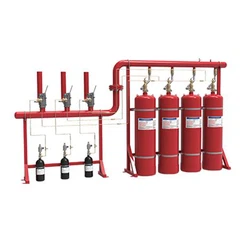

Fire Hydrant Brief Description
forede® brand A fire hydrant is an essential piece of urban infrastructure designed to provide quick and reliable access to water in case of emergencies, particularly fires. Positioned strategically throughout neighborhoods, commercial areas, and public spaces, fire hydrants play a vital role in ensuring the safety and protection of communities.
Built with durability and functionality in mind, fire hydrants are connected to the municipal water supply and allow firefighters to efficiently connect their hoses to combat fires and prevent damage. Beyond their critical role in emergency response, fire hydrants also contribute to public awareness about fire safety and preparedness.
The bright colors of fire hydrants often add a touch of vibrancy to city streets, making them easily noticeable and symbolizing readiness and protection. Overall, fire hydrants embody the spirit of community care and vigilance, standing as steadfast guardians that help keep our environments safe and secure.
Fire Hydrant: A Comprehensive Overview
1. Introduction
A fire hydrant is a critical component of urban and industrial fire protection systems. It provides a readily accessible water supply for firefighting purposes, enabling firefighters to quickly connect hoses and control fires efficiently. Fire hydrants are typically connected to a pressurized water distribution network and are strategically installed along streets, in industrial facilities, and in high-risk areas.
2. Types of Fire Hydrants
Fire hydrants can be broadly classified into the following types:
2.1 Wet Barrel Fire Hydrant
Wet barrel hydrants are commonly used in regions where freezing temperatures are not a concern. In this design, the hydrant barrel is always filled with water. Each outlet is individually controlled by a separate valve, allowing multiple hoses to be connected and operated simultaneously.
Advantages:
Easy to operate
Quick water discharge
Multiple outlets can function independently
2.2 Dry Barrel Fire Hydrant
Dry barrel hydrants are designed for cold climates where freezing could damage equipment. The main valve is located below ground, and the barrel remains dry when not in use. Water flows into the hydrant only when it is activated.
Advantages:
Prevents freezing
Durable in low-temperature environments
3. Key Components of a Fire Hydrant
A typical fire hydrant consists of the following parts:
Inlet Connection: Connects the hydrant to the underground water supply system
Main Valve: Controls the flow of water
Barrel: The vertical body of the hydrant
Outlet Nozzles: Usually include hose outlets (e.g., 2.5") and pumper outlets (e.g., 4" or 4.5")
Operating Nut: Used to open or close the hydrant with a wrench
Bonnet: Covers and protects the internal mechanism
4. Standards and Specifications
Fire hydrants are manufactured according to various international standards, depending on the region:
AWWA C502 – Commonly used in the United States for dry barrel hydrants
EN 14384 / EN 14339 – European standards for fire hydrants
BS 750 – British standard for underground fire hydrants
ISO standards – International guidelines for performance and testing
Key parameters include:
Nominal diameter (e.g., 4", 6")
Working pressure (e.g., 150 PSI, 250 PSI)
Outlet sizes and thread types (NH, BS, Storz, etc.)
Flow rate capacity
5. Applications
Fire hydrants are widely used in:
Municipal fire protection systems
Industrial facilities (oil & gas, chemical plants, warehouses)
Commercial buildings and complexes
Airports and ports
Residential areas
They serve as a reliable water source for fire engines and manual firefighting operations.
6. Installation Considerations
Proper installation is essential to ensure hydrant performance:
Installed at accessible locations along roadways
Adequate spacing (typically 100–200 meters depending on regulations)
Proper drainage for dry barrel hydrants
Protection against vehicle impact (e.g., bollards)
7. Maintenance and Inspection
Routine maintenance ensures operational reliability:
Periodic inspection for leaks and corrosion
Functional testing (opening/closing operation)
Flushing to remove debris
Lubrication of moving parts
Verification of outlet threads and caps
8. Conclusion
Fire hydrants play a vital role in fire safety infrastructure. Their proper design, selection, installation, and maintenance directly impact firefighting efficiency and public safety. Understanding different types, standards, and operational requirements is essential for engineers, contractors, and fire protection professionals.