



Fire Hydrant Brief Description
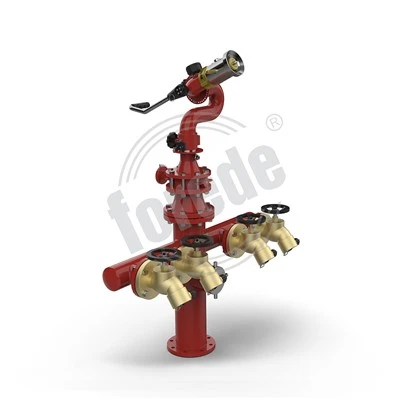
forede® brand A fire hydrant is a vital component of urban infrastructure, playing a crucial role in ensuring public safety and efficient firefighting efforts. It is an easily recognizable fixture typically seen along streets and sidewalks, providing firefighters with instant access to a reliable water source in the event of a fire. The presence of fire hydrants represents a community's commitment to preparedness, protection, and resilience.
Designed to connect directly to the municipal water supply, a fire hydrant allows firefighters to quickly attach hoses and access high-pressure water needed to combat fires. This access is essential in minimizing damage to properties, preserving the environment, and ultimately saving lives. The bright colors of fire hydrants, often painted in vivid reds, yellows, or blues, enhance their visibility, making them easy to locate in emergencies. This thoughtful design ensures rapid response times and contributes to the overall effectiveness of firefighting operations.
Beyond their primary function, fire hydrants serve as symbols of safety and community care. Their presence reflects well-planned urban development and highlights the importance placed on fire prevention and emergency response. Cities and towns invest in maintaining hydrants, routinely inspecting and servicing them to guarantee optimal performance when needed. This proactive approach demonstrates a dedication to safeguarding residents and businesses alike.
Modern fire hydrants also incorporate innovative technologies. Some are equipped with smart sensors that monitor water pressure and flow rates, providing real-time data to firefighting teams and city officials. Such advancements improve the efficiency of water usage during emergencies and help in identifying maintenance needs promptly. This fusion of tradition and innovation reinforces the essential role fire hydrants play in contemporary urban life.
Fire hydrants also encourage civic responsibility and awareness. Communities often engage in educational programs that teach individuals about the importance of fire safety and the role hydrants play in emergency scenarios.
These initiatives foster a culture of vigilance and preparedness, empowering citizens to contribute to overall safety. Additionally, fire hydrants sometimes serve as landmarks within neighborhoods, enhancing community identity and cohesion.
In conclusion, the fire hydrant is much more than a simple water outlet. It embodies a commitment to readiness, protection, and innovation that benefits everyone. By providing immediate access to vital resources during fires, fire hydrants protect lives, properties, and communities.
Their bright presence on our streets is a reassuring reminder of safety and the collective effort to create secure, resilient environments. Through ongoing maintenance, technological integration, and public education, fire hydrants continue to be indispensable pillars of urban safety and well-being.
1. Basic Structure
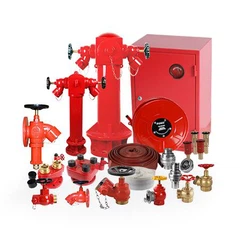
Body: Typically made of durable materials like cast iron or steel, designed to withstand high pressure and external impacts.
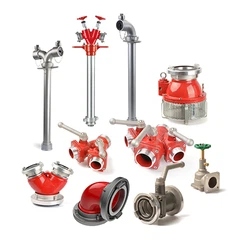
Nozzles/Outlets: Multiple openings (usually 2-4) where hoses can be connected. These are capped when not in use to prevent debris or contamination.
Valve Mechanism: Controls the flow of water. Activated by turning a valve or operating a handle, often requiring specialized tools (e.g., a hydrant wrench).
Operating Nut: A pentagonal or other uniquely shaped nut at the top to prevent unauthorized use.
2. Water Supply Connection
Underground Pipeline: Connected to a municipal water main, ensuring a continuous supply of pressurized water.
Pressure: Designed to deliver water at high pressure (often 50-200 psi) to effectively fight fires.
3. Types
Wet Barrel Hydrants: Water is always present in the barrel; common in warm climates where freezing is not a concern.
Dry Barrel Hydrants: Water drains out when not in use to prevent freezing; used in colder regions.
Private Hydrants: Installed on private property (e.g., industrial sites) for exclusive use.
4. Functionality
Firefighting: The primary purpose is to supply water to fire hoses, enabling firefighters to extinguish fires quickly.
Accessibility: Positioned at regular intervals (e.g., every 200-300 feet in urban areas) for easy access during emergencies.
Visibility: Painted in bright colors (often red or yellow) and marked with reflective materials for quick identification.
5. Maintenance
Regular Inspections: Checked for leaks, damage, or obstructions.
Flow Testing: Ensures adequate water pressure and volume.
Lubrication: Moving parts are lubricated to prevent corrosion and ensure smooth operation.
Painting/Marking: Maintained for visibility and to indicate hydrant type or flow capacity.
6. Safety & Regulations
Clearance: Kept free of obstructions (e.g., parked cars, snow) to ensure access during emergencies.
Local Codes: Subject to strict regulations regarding placement, pressure, and maintenance.
Anti-Tampering Features: Designed to prevent unauthorized use or vandalism.
7. Additional Features
Reflective Markers: Some hydrants have reflective strips or flags for nighttime visibility.
GPS Tracking: Modern hydrants may be mapped in GIS systems for quick location during emergencies.
Flow Meters: In some cases, equipped to measure water usage during firefighting operations.
Importance
Fire hydrants are a vital component of urban fire safety, providing the first line of defense against fires. Their strategic placement and reliable operation can significantly reduce property damage and save lives during emergencies. Regular maintenance and adherence to safety standards ensure they remain functional when needed most.