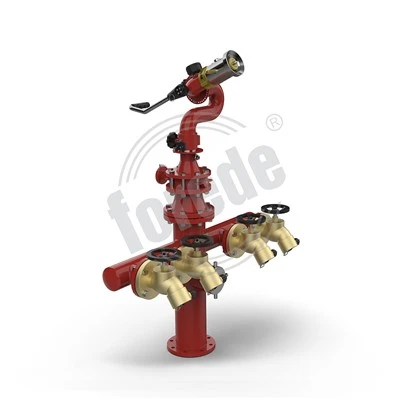


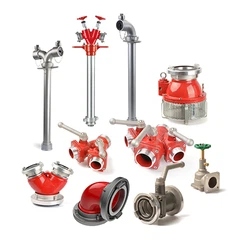
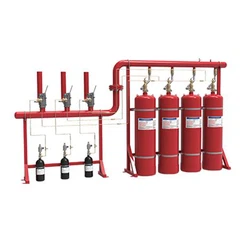

Fire hydrant standpipe is a vertical firefighting water supply pipe installed in buildings or outdoor areas to provide quick and reliable access to pressurized water during a fire emergency. It is a critical component in both municipal fire protection systems and internal building fire suppression networks.
1. What Is a Fire Hydrant Standpipe?
A fire hydrant standpipe is a fixed piping system connected to a reliable water source, designed to deliver water to hose connections at strategic locations. It allows firefighters or trained occupants to connect fire hoses directly to a water supply without laying long hose lines from ground-level hydrants.
Standpipes are commonly installed in:
High-rise buildings
Commercial and industrial facilities
Warehouses
Underground parking garages
Tunnels and large public structures
2. Structural Composition
A typical fire hydrant standpipe system consists of:
1) Vertical Standpipe Riser
The main vertical pipe that distributes water throughout the building.
2) Hose Outlet Valves
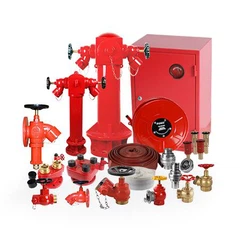
Installed at each floor or designated level. These are typically angle valves or landing valves with standard hose connections.
3) Fire Department Connection (FDC)
An external inlet that allows firefighters to pump additional water into the system.
4) Pressure Regulating Devices
Used in high-rise buildings to control excessive pressure at lower floors.
5) Drain Valves and Air Release Valves
Prevent water stagnation and remove trapped air.
6) Water Supply Source
Can be connected to:
Municipal water mains
Fire pumps
Gravity tanks
Water storage tanks
3. Working Principle
The standpipe system operates on a simple but effective principle:
The standpipe is connected to a pressurized water supply.
When a hose valve is opened, water flows through the riser to the hose outlet.
Firefighters connect a hose and nozzle to discharge water onto the fire.
If pressure is insufficient, the fire department can supplement water through the FDC.
In high-rise buildings, fire pumps ensure adequate pressure at upper floors.
4. Common Types of Standpipe Systems
Standpipe systems are generally classified into three main types:
Class I Standpipe
2.5-inch hose connections
Intended for use by trained firefighters
Common in high-rise and large commercial buildings
Class II Standpipe
1.5-inch hose connections
Designed for occupant use
Typically includes pre-connected hoses
Class III Standpipe
Combines Class I and Class II features
Includes both 1.5-inch and 2.5-inch outlets
They may also be categorized by water condition:
Wet Standpipe – Constantly filled with water
Dry Standpipe – Filled with water only when needed
Automatic Standpipe – Connected to automatic water supply and pump
Manual Standpipe – Requires fire department pumping
5. Applications
Fire hydrant standpipes are essential in scenarios where:
Building height makes exterior hose deployment difficult
Rapid interior firefighting response is required
Large floor areas require distributed water access
Underground or enclosed structures limit external hydrant reach
In high-rise buildings, standpipes are often installed in stairwells to provide safe and accessible firefighting water points.
6. Selection Considerations
When selecting or designing a standpipe system, consider:
1) Building Height and Layout
Higher buildings require pressure zoning and possibly booster pumps.
2) Water Supply Reliability
Ensure stable municipal supply or provide storage tanks and pumps.
3) Pressure Requirements
Avoid excessive pressure at lower floors using pressure-reducing valves.
4) Local Codes and Standards
Design must comply with local fire codes and standards such as:
National Fire Protection Association (NFPA)
International Code Council (ICC)
Common reference standards include NFPA 14 (Standard for the Installation of Standpipe and Hose Systems).
5) Maintenance and Inspection
Regular inspection ensures:
No leakage
Proper valve operation
Adequate pressure
No corrosion or obstruction
7. Advantages of Fire Hydrant Standpipes
Faster firefighting response inside buildings
Reduced hose deployment time
Improved firefighter safety
Reliable water delivery at multiple levels
Essential for high-rise fire protection