


Fire Sprinkler and Fire Valve System
Fire sprinkler and fire valve systems are essential components of fire protection systems in buildings and facilities. These systems are designed to detect and extinguish fires quickly and effectively, reducing the risk of property damage and potential injuries.
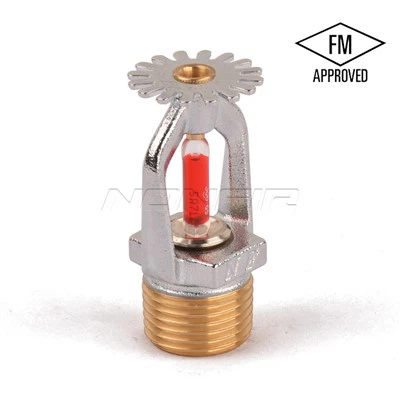
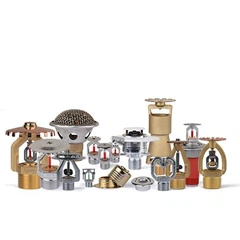
Fire sprinkler systems consist of a network of pipes with sprinkler heads installed throughout a building. When a fire is detected, the sprinkler heads release water to extinguish the flames. These systems are highly effective in containing fires and preventing them from spreading.
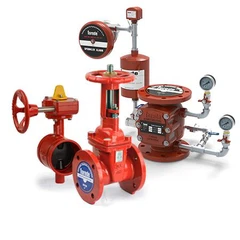
Fire valve systems, on the other hand, are designed to control the flow of water to fire sprinkler systems. They can automatically shut off the water supply or control the pressure to ensure that the sprinkler system operates effectively in case of a fire emergency.
Both fire sprinkler and fire valve systems play a crucial role in protecting lives and property in the event of a fire. It is important for building owners and managers to ensure that these systems are properly installed, maintained, and inspected regularly to ensure their effectiveness.
Overall, fire sprinkler and fire valve systems are important components of fire protection measures that help to keep buildings and occupants safe. By investing in these systems, building owners can have peace of mind knowing that they are well-equipped to handle any fire emergency that may arise.
Fire Sprinkler and Fire Valve Systems Overview
1. Introduction
Fire sprinkler and fire valve systems are essential components of modern fire protection infrastructure. They are designed to detect, control, and suppress fires in residential, commercial, and industrial buildings. Working together, these systems can save lives, reduce property damage, and ensure compliance with fire safety codes.
2. Fire Sprinkler System
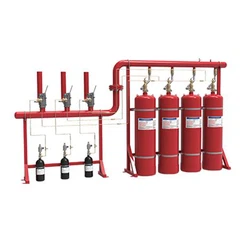
A fire sprinkler system is an active fire protection method that consists of a water supply, a network of pipes, and sprinkler heads. The primary function is to detect heat from a fire and release water to suppress it.
Key Components:
Sprinkler Heads: Heat-sensitive devices that activate individually when exposed to high temperatures.
Piping Network: Delivers water to the sprinkler heads; can be made from steel, CPVC, or PEX.
Water Supply: Typically connected to the building's main water line or a dedicated reservoir and pump system.
Alarm Valve: Triggers an alarm when the system is activated.
Types of Sprinkler Systems:
Wet Pipe System: Constantly filled with water; fastest response.
Dry Pipe System: Filled with pressurized air or nitrogen; used in cold areas to prevent freezing.
Pre-action System: Requires two triggers (e.g., smoke detection + heat activation); ideal for sensitive areas like data centers.
Deluge System: All sprinkler heads are open; used for high-hazard areas requiring quick flooding.
3. Fire Valve System
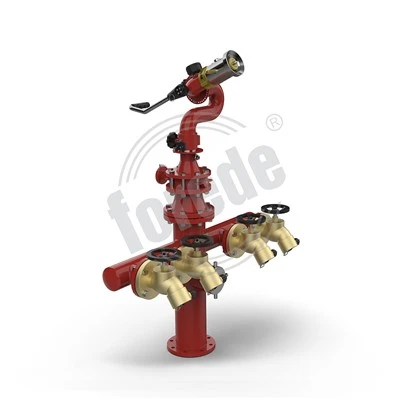
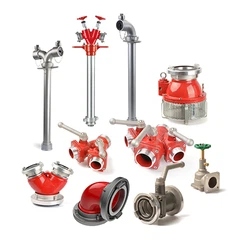
A fire valve system includes a range of valves used to control the flow of water within a fire protection network. These valves ensure proper operation, testing, and maintenance of the fire sprinkler system.
Types of Fire Valves:
Alarm Check Valve: Allows water to flow in one direction and triggers an alarm when flow is detected.
Gate Valve: Used to isolate sections of the piping for maintenance or emergency purposes.
Butterfly Valve: A compact alternative to gate valves, also used for isolation.
Pressure-Reducing Valve: Maintains a safe, consistent pressure in the system.
Test and Drain Valve: Allows for controlled testing and drainage of the sprinkler system.
4. How They Work Together
Fire Detection: The fire sprinkler system detects heat and activates a sprinkler head.
Water Discharge: Water flows through the open sprinkler, controlled by the valve system.
Valve Response: The alarm valve opens, allowing water to flow and activating the alarm system.
Suppression and Control: The fire is suppressed at the source, limiting spread and damage.
5. Importance in Fire Safety
Automatic Response: Immediate activation without human intervention.
Localized Control: Only sprinkler heads near the fire activate.
Minimized Water Damage: Compared to full flooding systems.
Code Compliance: Required by building and fire safety codes globally.
6. Maintenance and Testing
Regular inspection and testing are essential to ensure reliability:
Visual inspections (weekly/monthly)
Functional testing (quarterly/annually)
Valve and flow tests
Sprinkler head inspection and clearance checks
7. Conclusion
Fire sprinkler and fire valve systems form a cohesive defense against the threat of fire. Proper design, installation, and maintenance ensure that these systems provide rapid and reliable protection, safeguarding lives and property alike.