

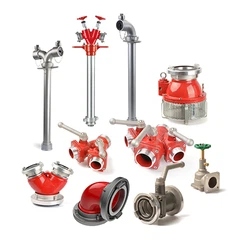
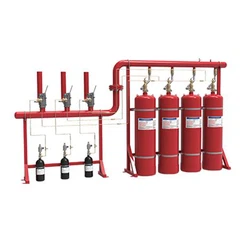

Fire Valve System and Fire Sprinkler System
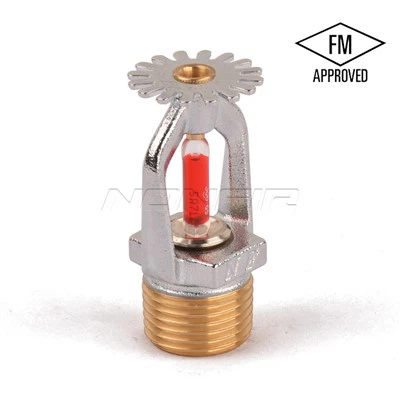
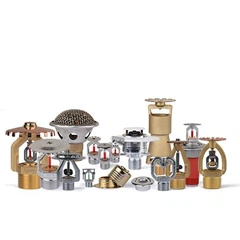
Fire sprinkler systems are an essential component of fire protection in buildings, providing a reliable and effective means of extinguishing fires in the event of an emergency. These systems typically consist of a network of pipes, strategically placed sprinkler heads, and a fire protection valve that controls the flow of water to the sprinklers.
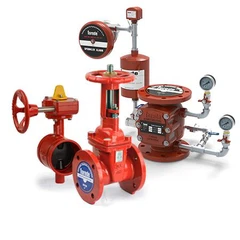
The fire protection valve is a critical component of the system, as it is responsible for regulating the flow of water to the sprinklers and ensuring that the correct amount of water is delivered to extinguish the fire. This valve is typically connected to the building's water supply and is designed to open automatically in response to a fire, allowing water to flow through the pipes and out of the sprinkler heads.
In addition to the fire protection valve, fire sprinkler systems may also include other components such as detectors, alarms, and control panels to ensure that the system operates efficiently and effectively in the event of a fire. Regular maintenance and testing of these systems are essential to ensure their proper functioning and reliability.
Overall, fire sprinkler systems with fire protection valves are a vital aspect of fire safety in buildings, providing an added layer of protection against the devastating effects of fires. By investing in these systems and ensuring their proper maintenance, building owners can help to safeguard their occupants and property from the dangers of fire. Let's all continue to prioritize fire safety and take proactive measures to protect ourselves and our communities from the threat of fires.
Fire Sprinkler with Fire Protection Valve
Overview
A fire sprinkler with fire protection valve is a combined fire suppression arrangement where automatic sprinklers are integrated with a control valve or system valve that regulates water flow. The valve is a critical component in ensuring the sprinkler system operates correctly, providing reliable control, monitoring, and protection against accidental water discharge.
How It Works
Detection & Activation
Each sprinkler head is heat-sensitive (using a glass bulb or fusible link).
When exposed to fire, the sprinkler activates and opens.
Valve Function
The fire protection valve (such as an alarm valve, control valve, or dry valve) remains closed or in standby until a sprinkler opens.
Once activated, the valve releases water into the sprinkler piping.
Discharge
Water flows through the opened sprinkler head, suppressing or extinguishing the fire in its early stage.
Types of Fire Protection Valves Used with Sprinklers
Alarm Valve (Wet Pipe Systems): Maintains water in the piping and triggers an alarm when water flows.
Dry Pipe Valve (Dry Systems): Keeps water out of the piping until activation, preventing freezing in cold areas.
Deluge Valve (Deluge Systems): Opens fully to release water through all sprinklers or open nozzles simultaneously.
Pre-Action Valve (Pre-Action Systems): Requires both a detection signal and sprinkler activation before water is released.
Control & Isolation Valves: Allow sections of the sprinkler system to be shut off for maintenance or emergencies.
Key Features
Automatic activation during fire emergencies
Integration with alarm and monitoring devices
Designed to reduce false activation and water damage
Available in various configurations for wet, dry, deluge, or pre-action sprinkler systems
Applications
Commercial buildings (offices, shopping malls)
Industrial facilities (factories, warehouses)
Residential high-rises
Specialized risk areas (aircraft hangars, cold storage, IT data centers)
Advantages
Ensures reliable fire detection and suppression
Provides system monitoring and alarm signaling
Prevents unnecessary flooding or damage through valve control
Adaptable to a wide range of fire risks and environmental conditions