


Dry Type Fire Sprinkler
Dry type fire sprinkler systems are an essential component of fire protection in buildings. These systems are designed to quickly and effectively extinguish fires without the need for water to be constantly present in the pipes. This makes them ideal for use in areas where the risk of water damage is high, such as computer rooms, storage areas, or museums.
One of the main advantages of dry type fire sprinkler systems is their ability to respond rapidly to a fire. When a fire is detected, the sprinkler heads release a dry chemical or inert gas agent that quickly suppresses the flames. This can help prevent the fire from spreading and causing extensive damage to the building and its contents.
Furthermore, dry type fire sprinkler systems are reliable and low maintenance. Because there is no water in the pipes, there is no risk of freezing in cold weather, which can be a common issue with wet pipe systems. This means that dry type systems are always ready to respond in the event of a fire, providing peace of mind for building owners and occupants.
In conclusion, dry type fire sprinkler systems are an important part of any fire protection plan. Their rapid response time, reliability, and low maintenance make them an excellent choice for buildings where water damage is a concern. By installing a dry type fire sprinkler system, building owners can rest assured that their property and occupants are protected in the event of a fire.
Dry Type Fire Sprinkler
Dry Type Fire Sprinkler Overview
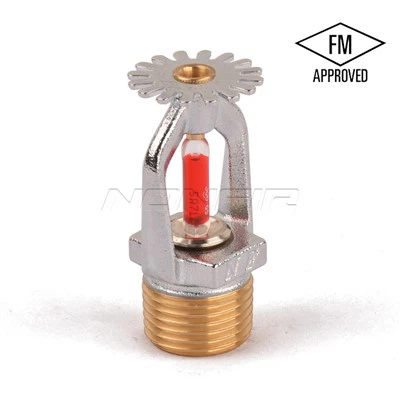
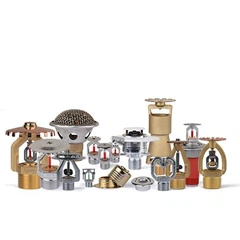
A dry type fire sprinkler is a specialized sprinkler head designed for use in areas where standard wet pipe sprinklers cannot be installed due to the risk of water freezing inside the piping. Unlike a conventional sprinkler, which connects directly to a water-filled pipe, a dry type sprinkler extends into an area where the piping must remain empty until activation.
How It Works
The sprinkler is connected to a dry pipe system, where the pipes contain compressed air or nitrogen instead of water.
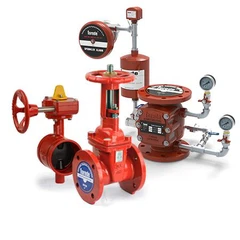
When a fire occurs and heat activates the sprinkler head, the air is released, and the dry valve at the water supply opens.
Water then travels through the previously dry piping and discharges through the activated sprinkler head to suppress the fire.
Key Features
Extended Barrel Design: Prevents water from sitting close to the cold area, reducing the risk of freezing.
Thermal Sensitivity: Equipped with glass bulbs or fusible links to activate at a set temperature.
Corrosion Resistance: Often available with protective coatings for harsh environments.
Variety of Styles: Can be pendent, upright, or sidewall depending on installation needs.
Typical Applications
Unheated warehouses or storage areas
Parking garages and loading docks
Attics, canopies, or outdoor overhangs
Freezers and cold storage facilities
Advantages
Enables sprinkler protection in low-temperature environments
Prevents costly pipe bursts due to freezing water
Compatible with standard sprinkler system designs
Limitations
Slight delay in water discharge compared to wet sprinklers, since water must travel through dry piping
Requires more maintenance and inspection
Typically higher cost than standard sprinklers