

Fire Sprinkler Protection System
forede® brand fire sprinkler system is one of the most trusted and effective forms of active fire protection used worldwide. Designed to automatically detect and suppress fires in their earliest stages, fire sprinklers play a crucial role in safeguarding human lives, protecting property, and ensuring business continuity. Today, they are a mandatory safety feature in many commercial, industrial, and residential buildings due to their proven reliability and efficiency in controlling fire incidents.
🔥 Fire Sprinkler Protection System Overview
A fire sprinkler protection system is an active fire protection method designed to automatically detect, control, and suppress fires. Sprinklers are strategically installed in buildings and are activated by heat, releasing water (or other extinguishing agents) to control or extinguish flames before they can spread. These systems are vital for safeguarding lives, protecting property, and ensuring compliance with fire safety regulations.
🛠️ Main Components of a Fire Sprinkler System
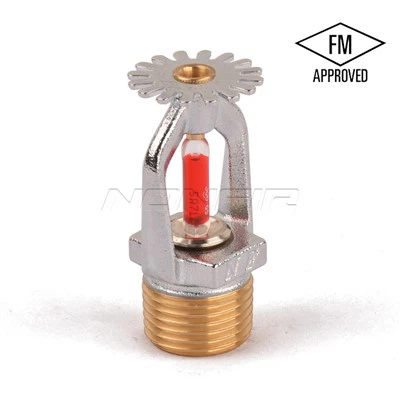
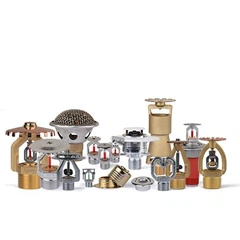
Sprinkler Heads
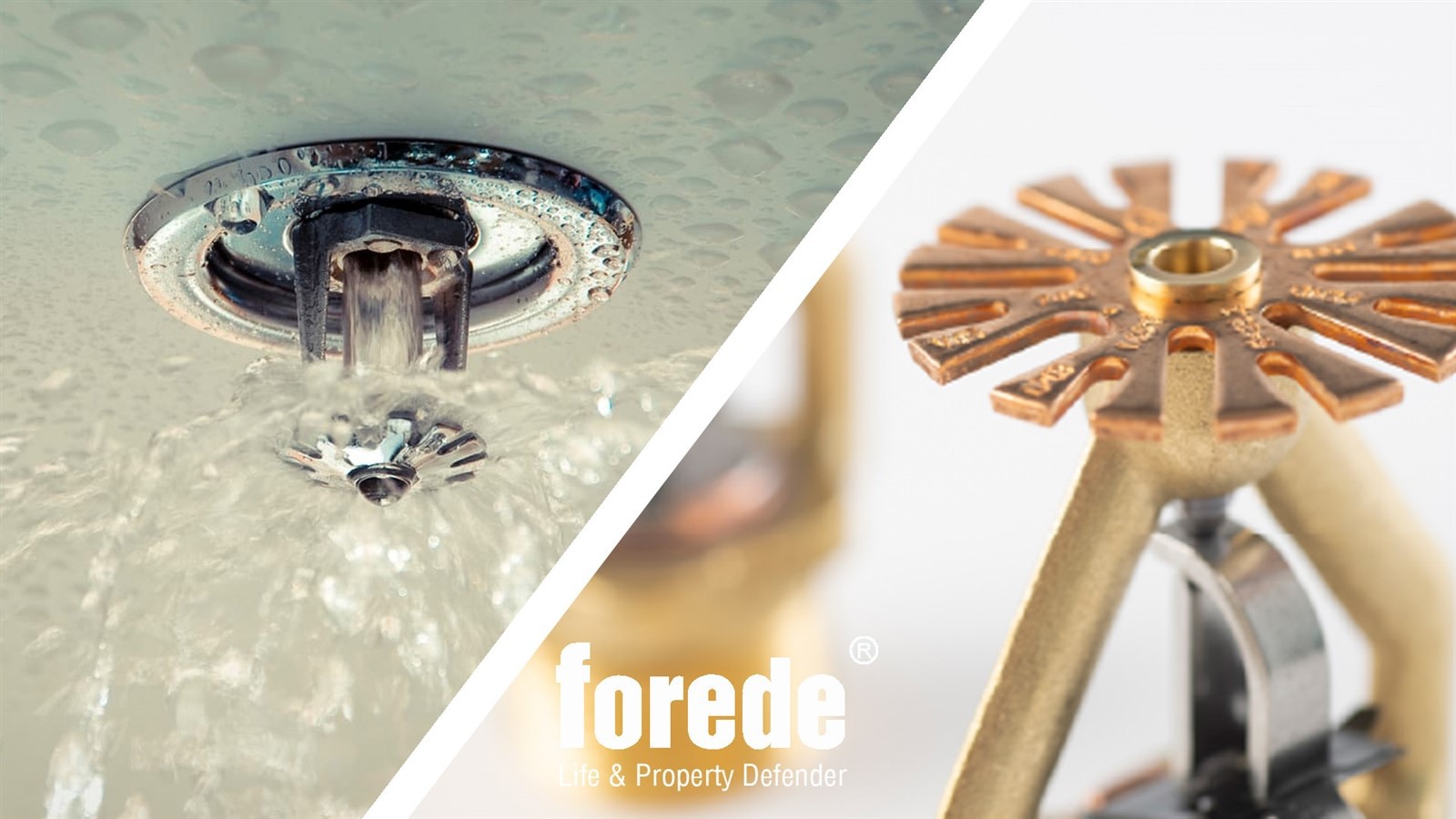
Pendent Sprinklers – hang from the ceiling and spray water downward.
Upright Sprinklers – sit above pipes and discharge upward, suitable for open ceilings.
Sidewall Sprinklers – installed along walls, spraying in a half-circle pattern.
Concealed Sprinklers – hidden behind decorative covers for aesthetic applications.
Piping Network
Delivers water from the supply source to the sprinkler heads.
Can be arranged in wet pipe, dry pipe, deluge, or pre-action configurations.
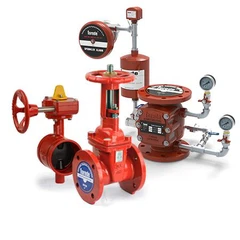
Control Valves
Regulate water flow into the sprinkler system.
Includes alarm valves, deluge valves, and pre-action valves.
Water Supply
Can come from municipal water mains, fire pumps, or dedicated storage tanks.
Alarm Devices
Flow switches, pressure gauges, and water motor gongs that trigger fire alarms when the system is activated.
🔎 Types of Fire Sprinkler Systems
Wet Pipe System – Always filled with water; the most common and reliable.
Dry Pipe System – Pipes filled with compressed air or nitrogen, water is released when sprinklers activate; used in cold climates to prevent freezing.
Deluge System – All sprinkler heads are open, water releases through all outlets simultaneously; used in high-hazard areas.
Pre-Action System – Requires a detection event before water fills the pipes; prevents accidental water discharge in sensitive areas like data centers.
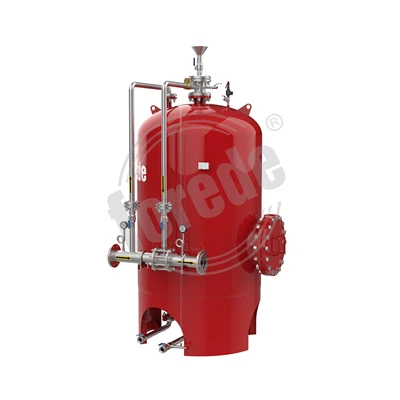
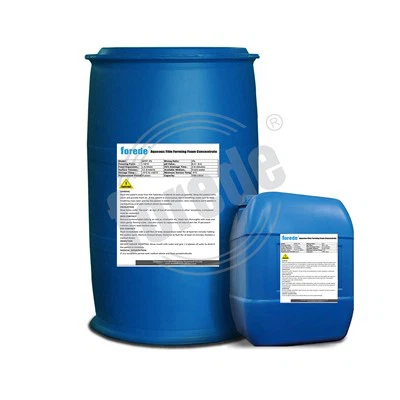
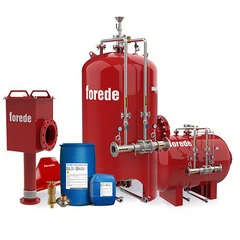
Foam-Water Sprinkler System – Combines water with foam concentrate to suppress flammable liquid fires.
✅ Advantages of Fire Sprinkler Systems
Rapid fire suppression before firefighters arrive.
Life safety protection by reducing heat, smoke, and toxic gases.
Property preservation, limiting structural damage.
Regulatory compliance with international fire safety standards (NFPA, EN, ISO).
Lower insurance premiums due to reduced fire risk.
🏢 Applications
Residential buildings and apartments.
Commercial facilities (offices, malls, warehouses).
Industrial sites (factories, refineries, chemical plants).
Specialized environments (data centers, aircraft hangars, hospitals).