


forede Alarm Check Valve in Sprinkler System
forede Alarm Check Valve is a critical component in automatic sprinkler systems, combining backflow prevention, water flow control, and fire alarm functions. It features a durable ductile iron/stainless steel body, check disc, alarm port, and pressure gauges, compatible with various sprinkler system types. Key advantages: reliable backflow protection, instant alarm response, stable water flow, environmental durability, and easy maintenance. Ideal for commercial buildings, industrial facilities, public institutions, and high-rise/underground structures. Usage includes pre-operation commissioning, daily monitoring, and post-fire reset. It enhances sprinkler system reliability, ensuring timely fire detection and effective suppression, making it essential for diverse fire protection scenarios.
General Description
forede Alarm Check Valve is a critical integrated component in automatic sprinkler systems, designed to control water flow, prevent backflow, and trigger fire alarms when the sprinkler system is activated. As a combination of check valve and alarm mechanism, it serves as the "gatekeeper" and "alertor" of the sprinkler system, ensuring that water is only released to the sprinkler heads when a fire occurs and immediately notifying relevant personnel to initiate emergency response.
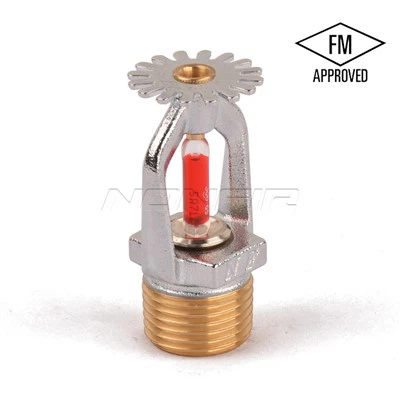
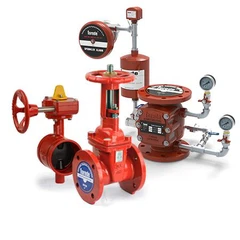
The valve's core structure consists of a robust valve body (typically made of ductile iron or stainless steel for pressure resistance and corrosion protection), a spring-loaded check disc, a hydraulic alarm port (connected to a water motor gong or pressure switch), and pressure gauges for inlet and outlet monitoring. Under normal conditions, the check disc is closed by the combined force of water pressure and a spring, blocking water flow to the sprinkler network and maintaining the system's standby pressure. When a fire breaks out, the heat melts the sprinkler head's fusible link, causing the head to open and release water. The sudden drop in downstream pressure opens the check disc, allowing water from the main supply to flow into the sprinkler network and suppress the fire. Simultaneously, the flowing water enters the alarm port, driving the water motor gong to sound an on-site alarm and (if connected) sending a signal to the fire control center via the pressure switch.
Unlike ordinary check valves, its unique alarm function integrates fire detection and water supply control, making it an indispensable link between the sprinkler system's water source and the sprinkler heads. It is compatible with wet, dry, or pre-action sprinkler systems, adapting to different environmental fire protection needs while ensuring the system's reliability and responsiveness.
Advantages
forede Alarm Check Valve offers five key advantages tailored to the operational requirements of sprinkler systems, enhancing the system's fire suppression efficiency, safety, and maintainability while ensuring stable water supply control.
reliable backflow prevention protects water quality. The spring-loaded check disc forms a tight seal under normal pressure, preventing water in the sprinkler network (which may be contaminated by pipeline debris) from flowing back into the main water supply. This is particularly critical for systems using municipal water supplies, as it avoids cross-contamination of drinking water sources and complies with water safety regulations. The seal's durability ensures long-term backflow protection without leakage, even under fluctuating water pressure.
instant alarm response accelerates emergency disposal. The valve's integrated hydraulic alarm mechanism is triggered immediately when water flows through the valve (i.e., when sprinklers activate). The water motor gong produces a loud, distinctive sound that is audible across large spaces (e.g., warehouses, shopping malls), alerting on-site personnel to the fire location. When connected to a fire control center, the pressure switch signal enables remote monitoring, allowing firefighters to be dispatched quickly-reducing the time between fire detection and professional response.
stable water flow control guarantees sprinkler performance. The valve's internal flow channel is precision-designed to minimize pressure loss, ensuring that water flows evenly to all activated sprinkler heads. This stable flow maintains the required water pressure at each head, enabling them to produce the optimal spray pattern (e.g., uniform coverage for surface fires) to suppress the fire effectively. Unlike ordinary valves that may cause uneven water distribution, this design ensures consistent sprinkler performance across the entire protected area.
robust structure adapts to diverse working environments. The valve body is made of high-strength ductile iron or stainless steel, which resists corrosion from water, chemicals, and harsh environmental conditions (e.g., high humidity in warehouses or temperature fluctuations in outdoor sprinkler systems). The spring-loaded check disc and internal components are wear-resistant, ensuring reliable operation even after long-term standby or repeated use. This durability reduces the risk of valve failure during critical fire emergencies.
How to Use a Alarm Check Valve?
Using forede Alarm Check Valve in a sprinkler system involves three key stages: pre-operation commissioning, daily monitoring and maintenance, and emergency response and post-fire reset. Proper use ensures the valve functions reliably when a fire occurs and maintains the sprinkler system's overall performance.
Pre-Operation Commissioning Before putting the sprinkler system into use, conduct a comprehensive check of the alarm check valve: 1) Ensure the valve is in the closed standby position, with the check disc sealed tightly (verify via inlet and outlet pressure gauges-both should show stable pressure, with no pressure drop indicating leakage). 2) Test the alarm mechanism: Open the manual test valve on the alarm port to simulate water flow; the water motor gong should sound immediately, and the pressure switch (if connected) should send a signal to the fire control center. 3) Check the valve's connections to the main water supply and sprinkler network, ensuring all flanges or couplings are tight and leak-free. 4) Adjust the valve's spring tension (if necessary) to match the system's design pressure, ensuring the check disc opens only when the downstream pressure drops to the specified level (i.e., when sprinklers activate).
Daily Monitoring and Maintenance Perform regular checks to keep the valve in good condition: 1) Monitor the inlet and outlet pressure gauges daily-stable pressure indicates the system is intact; a sudden drop may indicate a pipeline leak or valve failure, requiring immediate inspection. 2) Conduct monthly manual tests of the alarm mechanism: Open the test valve for 10–15 seconds to ensure the water motor gong sounds and the pressure switch functions. 3) Inspect the valve body and connections quarterly for corrosion, leakage, or damage-clean the valve exterior and apply anti-rust coating if needed. 4) Replace worn components (e.g., check disc seals, springs) annually to maintain the valve's sealing and alarm performance.
Emergency Response and Post-Fire Reset When a fire occurs, the valve operates automatically: 1) As the sprinkler head's fusible link melts, water flows out, reducing downstream pressure and opening the check disc. 2) Water flows into the sprinkler network to suppress the fire, and the alarm port triggers the water motor gong and pressure switch signal. 3) After the fire is extinguished, follow these steps to reset the valve: a) Close the main water supply valve to stop water flow to the system. b) Open the drain valve on the sprinkler network to drain all residual water. c) Inspect the valve for damage (e.g., check disc deformation, alarm port blockage) and replace any faulty components. d) Reset the check disc to the closed position, then close the drain valve and slowly open the main water supply valve to repressurize the system. e) Test the alarm mechanism again to ensure the valve is fully functional before returning the system to standby mode.
Application
Commercial and Public Buildings
Commercial and Public Buildings are primary application areas. Shopping malls, supermarkets, and department stores-with large floor areas, dense crowds, and flammable merchandise-rely on sprinkler systems equipped with alarm check valves to quickly detect and suppress fires. The valve's alarm function alerts staff and customers to evacuate while notifying emergency services, and its backflow prevention protects the building's potable water supply. Office buildings, hotels, and conference centers also use the valve in their wet sprinkler systems, ensuring that water is only released when needed and minimizing water damage from accidental activation.
Industrial Facilities and Warehouses
Industrial Facilities and Warehouses benefit from its robust performance. Manufacturing plants (e.g., textile, plastic, or electronic factories) and large warehouses (storing flammable materials, packaged goods, or industrial equipment) face high fire risks due to flammable raw materials and large storage volumes. The valve's stable water flow control ensures that sprinklers in high-risk areas (e.g., production lines, storage racks) receive sufficient water pressure to extinguish large-scale fires. In cold storage warehouses or outdoor industrial areas, it is used in dry sprinkler systems-preventing water in the pipeline from freezing while still triggering an alarm when the system activates.
Public Service and Institutional Buildings
Public Service and Institutional Buildings require reliable fire protection for vulnerable populations. Hospitals, nursing homes, and schools install sprinkler systems with alarm check valves to ensure rapid fire response while minimizing disruption to patients, residents, or students. The valve's alarm function enables staff to initiate evacuation procedures quickly, and its backflow prevention ensures the safety of the building's water supply (critical for hospitals with strict hygiene requirements). Stadiums, libraries, and museums also use the valve to protect large, open spaces and valuable assets, with the alarm mechanism ensuring timely emergency response.
High-Rise and Underground Buildings
High-Rise and Underground Buildings depend on its efficient water control. High-rise residential or office buildings have complex sprinkler networks with multiple floors, requiring the valve to maintain stable water pressure across different levels. The alarm check valve ensures that water flows only to the activated sprinkler heads, preventing unnecessary water damage to other floors. Underground facilities (e.g., subway stations, underground parking garages, and tunnels) use the valve in their sprinkler systems to address the high risk of smoke accumulation and slow emergency access-its alarm function provides early warning, and its backflow prevention protects the underground water supply network.