

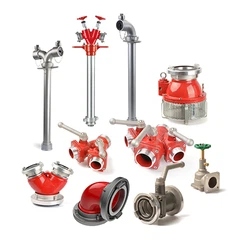
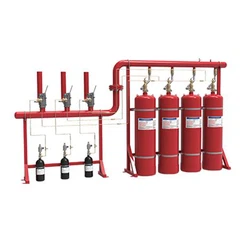

forede Wet System Valves and Components
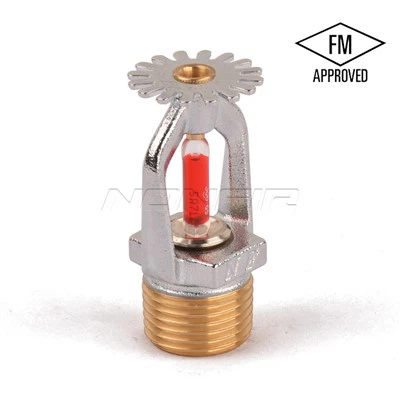
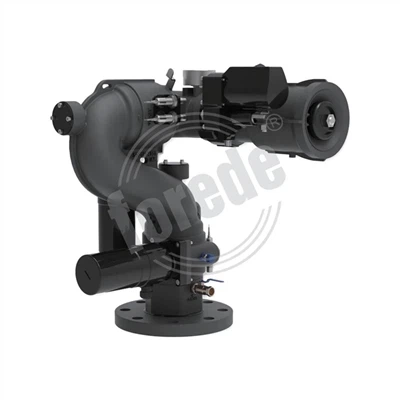
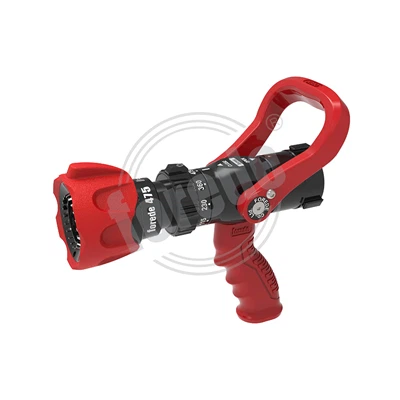
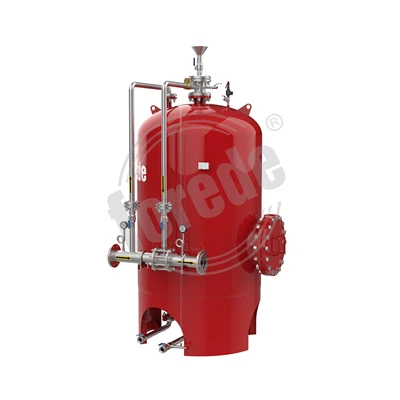
forede Wet System Valves and Components are the core of wet pipe sprinkler systems, featuring a wet alarm valve, flow indicators, pressure gauges, and alarm devices. The system's piping is permanently filled with water, enabling immediate discharge when a sprinkler head opens due to fire, while triggering timely alarms. Key advantages: immediate fire suppression, high reliability, low maintenance, accurate fire zone localization, and compatibility with various sprinkler heads. Ideal for environments above 4°C, including commercial, institutional, residential, and light industrial buildings. Usage involves pre-operation commissioning, routine maintenance, and post-fire reset. These components ensure the wet sprinkler system is always ready, delivering rapid, effective fire protection and enhancing safety across diverse scenarios.
General Description
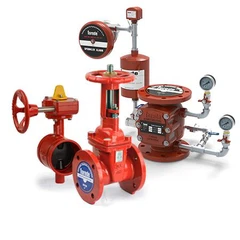
forede Wet System Valves and Components form the core control unit of wet pipe sprinkler systems, a widely used automatic fire suppression setup where the sprinkler piping is permanently filled with pressurized water. This integrated assembly primarily consists of a wet alarm valve (the central component), water flow indicators, pressure gauges, hydraulic alarm devices (water motor gong), pressure switches, and auxiliary valves (isolation valves, drain valves). Unlike dry or pre-action systems, wet system components are designed to deliver immediate water discharge once a fire is detected, serving as the "response hub" that connects the water supply to the sprinkler heads and triggers timely alarms.
The central wet alarm valve features a robust valve body (typically made of ductile iron or stainless steel) with a clapper mechanism held closed by system pressure under normal conditions. This clapper seals the water supply, maintaining constant pressure in the sprinkler piping. Key auxiliary components include: water flow indicators (installed in branch pipes to detect water movement and pinpoint the fire zone), dual pressure gauges (monitoring inlet supply pressure and outlet piping pressure), and a hydraulic alarm port linked to a water motor gong and pressure switch. When a fire occurs, heat melts the fusible link of the sprinkler head, causing the head to open and release water. The sudden pressure drop in the piping forces the clapper to open, allowing water from the main supply to flow into the sprinkler network. Simultaneously, water rushes into the alarm port, activating the water motor gong for on-site alerts and sending a signal to the fire control center via the pressure switch.
A defining characteristic of these components is their "always-ready" state-since the piping is permanently filled with water, there is no delay in water discharge compared to dry systems that require piping to be filled first. The components are engineered to work in synergy: the wet alarm valve controls water flow, flow indicators localize the fire, pressure gauges monitor system integrity, and alarm devices ensure timely notification. This integration makes wet system valves and components suitable for environments where rapid fire suppression is critical and freezing temperatures are not a concern.
Advantages
forede Wet System Valves and Components offer five key advantages tailored to the operational needs of wet pipe sprinkler systems, emphasizing rapid response, reliability, and ease of management-critical for effective early-stage fire suppression.
immediate water discharge minimizes fire spread. Since the sprinkler piping is permanently filled with pressurized water, the system activates instantly when a sprinkler head opens-there is no lag time for piping to fill, which is a common limitation of dry systems. This rapid response ensures that small fires are suppressed before they escalate into large-scale blazes, significantly reducing property damage and potential casualties. The wet alarm valve's clapper mechanism opens smoothly under pressure changes, guaranteeing unobstructed water flow to the activated sprinkler heads.
simplified structure ensures high reliability. Wet system components have fewer moving parts compared to dry or pre-action systems (no air compressors or electric release devices), reducing the risk of mechanical failure. The wet alarm valve's clapper mechanism is wear-resistant and operates purely on hydraulic pressure, eliminating the need for complex electrical or pneumatic controls. Routine inspections are straightforward, as the dual pressure gauges provide real-time visibility of system pressure, allowing maintenance staff to quickly identify abnormalities such as leaks or pressure drops.
low maintenance requirements reduce operational costs. The durable materials (ductile iron, stainless steel) of the valve body and components resist corrosion and wear, even under long-term water exposure. Routine maintenance only involves periodic pressure checks, testing the alarm mechanism, and inspecting auxiliary valves-no complex servicing of air compressors or electronic components is needed. The modular design of the components also allows for easy replacement of parts (e.g., clapper seals, gaskets) without removing the entire valve assembly, minimizing downtime.
accurate fire zone localization enhances emergency response. The integration of water flow indicators in the component assembly enables precise identification of the fire-affected zone. Each branch pipe is equipped with a flow indicator that triggers a signal to the fire control center when water flows through it, allowing firefighters to quickly locate the fire and deploy resources efficiently. This is particularly valuable in large buildings (e.g., shopping malls, warehouses) where pinpointing the fire location is critical for effective evacuation and suppression.
How to Use Wet System Valves and Components?
Using forede Wet System Valves and Components effectively involves three key stages: pre-operation commissioning, routine monitoring and maintenance, and emergency response and post-fire reset. Proper use ensures the system remains in "always-ready" condition and responds reliably when a fire occurs.
Pre-Operation Commissioning Before putting the system into service, conduct a comprehensive check of all components: 1) Verify that the wet alarm valve is in the closed position, with the clapper sealed tightly (check via dual pressure gauges-both inlet and outlet pressures should be stable and match the design pressure). 2) Test the alarm mechanism: Open the manual test valve on the alarm port to simulate water flow; the water motor gong should sound immediately, and the pressure switch should send a signal to the fire control center. 3) Inspect all auxiliary valves (isolation, drain) to ensure they are in the correct position (isolation valves open, drain valves closed) and all connections are tight and leak-free. 4) Test water flow indicators by opening the drain valve on each branch pipe-ensure the flow indicator triggers a signal to the fire control center accurately.
Routine Monitoring and Maintenance Perform regular checks to maintain system integrity: 1) Monitor the dual pressure gauges daily-stable pressure indicates the system is intact; a sudden drop may indicate a leak or sprinkler head damage, requiring immediate inspection. 2) Conduct monthly alarm tests: Open the test valve for 10–15 seconds to ensure the water motor gong and pressure switch function properly. 3) Inspect the wet alarm valve and components quarterly for corrosion, leakage, or damage-clean the valve exterior, check clapper seals for wear, and apply anti-rust coating if needed. 4) Perform annual flow tests: Open the main drain valve to verify that the wet alarm valve opens correctly and the water flow rate meets design requirements; also test all water flow indicators to ensure accurate zone localization.
Emergency Response and Post-Fire Reset During a fire, the system operates automatically: 1) When a sprinkler head opens, water flows out, causing a pressure drop that opens the wet alarm valve. 2) Water flows to the sprinkler head to suppress the fire, and the alarm mechanism activates to alert on-site personnel and the fire control center. After the fire is extinguished, follow these steps to reset the system: a) Close the main water supply valve and the isolation valve for the affected zone. b) Open the drain valve to empty the sprinkler piping of residual water. c) Inspect the wet alarm valve, sprinkler heads, and other components for damage-replace any faulty parts (e.g., broken sprinkler heads, worn clapper seals). d) Reset the wet alarm valve's clapper to the closed position, close the drain valve, and slowly open the main water supply valve to repressurize the system. e) Test the alarm mechanism and flow indicators again to ensure the system is fully functional before returning it to standby mode.
Application
Commercial Buildings
Commercial Buildings are the primary application area. Shopping malls, supermarkets, department stores, and retail outlets-with large floor areas, dense crowds, and flammable merchandise-rely on wet system components for rapid fire suppression. The immediate water discharge prevents fires from spreading to adjacent stores, while flow indicators help locate the fire zone quickly. Office buildings also widely use these components, as the quick response protects valuable equipment (computers, servers) and ensures the safety of employees. The low maintenance requirements are particularly beneficial for commercial properties with limited maintenance staff..
Institutional and Public Service Buildings
Institutional and Public Service Buildings depend on their reliability to protect vulnerable populations. Hospitals, nursing homes, and assisted living facilities use wet system valves and components to ensure rapid fire suppression without disrupting patient care. The accurate fire zone localization allows staff to evacuate patients safely from the affected area while minimizing disruption to other parts of the facility. Schools, colleges, and universities also use these systems in classrooms, dormitories, and auditoriums-protecting students and staff with immediate water discharge and timely alarms. Libraries and museums use them to protect valuable collections, with the option to use specialized sprinkler heads that minimize water damage.
Residential Buildings
Residential Buildings, especially high-rise apartments and condominiums, benefit from their rapid response. In high-rise buildings, where fire spread can be fast and evacuation difficult, wet system components ensure that fires are suppressed at the early stage. The components are installed in hallways, stairwells, and individual units (in some cases), providing comprehensive protection. The low maintenance requirements make them suitable for residential properties, as homeowners' associations do not need to allocate significant resources to system upkeep.
Light Industrial Facilities
Light Industrial Facilities with controlled temperatures also use these components. Manufacturing plants producing non-flammable or low-flammability products (e.g., electronics assembly, furniture manufacturing), warehouses storing non-combustible materials, and industrial workshops-where temperatures are maintained above freezing-rely on wet system valves and components for effective fire suppression. The compatibility with diverse sprinkler heads allows customization based on the specific fire risk of the facility, such as using quick-response heads near machinery or extended-coverage heads in large storage areas.