

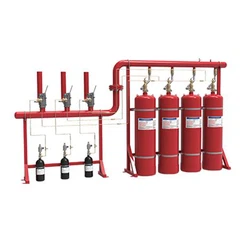
High Expansion Foam Concentrate

Introduction to High Expansion Foam Concentrate
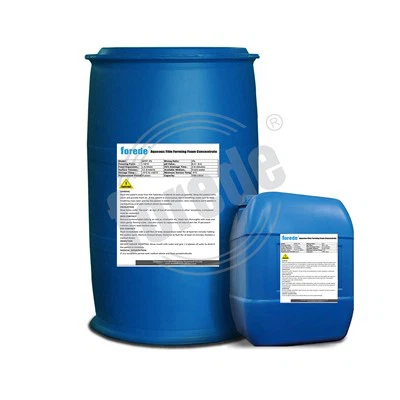
High Expansion Foam Concentrate (HEFC) is a specialized firefighting agent designed to .generate large volumes of lightweight foam for suppressing fires in confined or hard-to-reach spaces. Unlike traditional firefighting foams, which focus on forming a cohesive blanket over flammable liquids, high expansion foam is characterized by its ability to expand hundreds of times its original volume, creating a thick, insulating layer that suffocates fires and prevents re-ignition. This article provides a detailed exploration of what High Expansion Foam Concentrate is, how it differs from other foam concentrates, its advantages, application methods, and primary uses in fire protection
1. What is High Expansion Foam Concentrate?
High Expansion Foam Concentrate is a synthetic or protein-based chemical formulation that, when mixed with water and air, produces foam with an expansion ratio typically ranging from 200:1 to 1000:1. This means that 1 liter of foam solution can generate 200 to 1000 liters of finished foam. The foam consists of tiny, stable bubbles that fill enclosed spaces rapidly, displacing oxygen and cooling the fire through water content.
Key Characteristics
High Expansion Ratio: The defining feature of HEFC is its ability to generate vast volumes of foam from a small amount of concentrate.
Low Density: The foam is lightweight, allowing it to flow freely and fill complex geometries.
Thermal Resistance: The foam structure resists breakdown under high temperatures, maintaining integrity during firefighting.
Environmental Compatibility: Modern HEFC formulations are often biodegradable and free of PFAS (per- and polyfluoroalkyl substances), addressing ecological concerns.
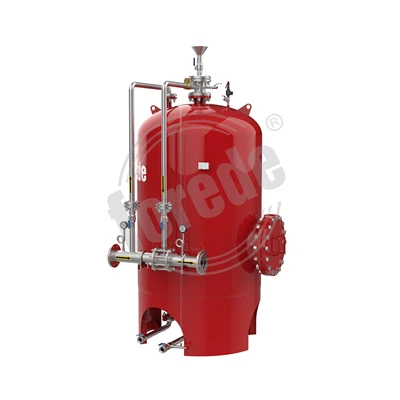
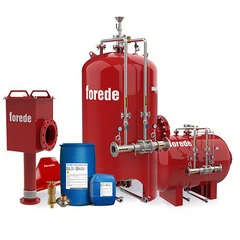
HEFC is used with specialized high expansion foam generators, which combine the concentrate, water, and air to produce the foam. These systems are commonly deployed in industrial facilities, warehouses, aircraft hangars, and underground spaces.
2. Advantages of High Expansion Foam Concentrate
HEFC offers distinct benefits in specific fire scenarios, making it indispensable in modern fire protection strategies:
1. Rapid Fire Suppression
The massive volume of foam quickly fills a space, starving the fire of oxygen and suppressing flames within minutes.
Effective for deep-seated fires (e.g., burning materials in storage racks).
2. Reduced Water Usage
Due to its high expansion ratio, HEFC requires significantly less water compared to traditional sprinkler systems. This minimizes water damage to assets and infrastructure.
3. Enhanced Safety for Responders
Firefighters can avoid entering hazardous environments, as the foam can be deployed remotely to fill compartments.
4. Versatility in Challenging Environments
Ideal for spaces with limited access, such as shipholds, mines, or ventilation ducts.
Effective on Class A (solid combustibles) and Class B (flammable liquids) fires.
5. Environmental and Health Safety
PFAS-free formulations reduce long-term ecological and health risks.
Biodegradable options align with sustainability goals.
6. Cost Efficiency
Lower water and concentrate consumption reduce operational costs.
Minimizes post-fire cleanup and asset replacement expenses.
3. How to Use High Expansion Foam Concentrate
The effective deployment of HEFC requires specialized equipment and adherence to protocols:
1. System Design and Installation
Foam Generators: High expansion foam generators are installed in strategic locations (e.g., ceiling-mounted in warehouses). These devices use fans or nozzles to mix water, concentrate, and air.
Proportioning Systems: Ensure precise mixing ratios (usually 1–3% HEFC to water).
Detection and Activation: Integrate with fire detection systems (smoke/heat sensors) for automatic activation.
2. Mixing and Application
Prepare the Concentrate: Store HEFC in approved containers and ensure compatibility with the proportioning system.
Activate the System:
In automatic mode, the system triggers upon detecting a fire.
In manual mode, operators initiate foam discharge via control panels.
Generate Foam:
Water and concentrate are mixed and aspirated with air, creating high expansion foam.
The foam is directed into the fire area through ducts or nozzles.
Monitor and Maintain Coverage:
Ensure foam fills the entire space, paying attention to corners and elevated areas.
Sustain foam application until the fire is fully suppressed.
3. Post-Fire Procedures
Ventilation: After extinguishment, ventilate the area to disperse residual foam and gases.
Equipment Inspection: Clean generators and check for damage or blockages.
Concentrate Replenishment: Refill HEFC tanks and test the system for readiness.
4. Primary Applications of High Expansion Foam Concentrate
HEFC is employed in high-risk environments where traditional firefighting methods are impractical:
1. Warehouses and Storage Facilities
Protects high-piled combustible materials (e.g., paper, textiles, plastics).
Prevents fire spread in rack storage systems.
2. Aircraft Hangars
Fills large, open spaces to suppress fuel and hydraulic fluid fires.
Complies with NFPA 409 standards for hangar fire protection.
3. Underground Spaces
Mines, tunnels, and parking garages benefit from HEFC's ability to navigate complex layouts.
4. Marine and Offshore Installations
Used in ship engine rooms, cargo holds, and offshore platforms to combat hydrocarbon fires.
5. Power Generation Facilities
Safeguards turbine halls, transformer rooms, and cable tunnels.
6. Chemical and Pharmaceutical Plants
Controls fires involving flammable solvents or reactive chemicals.
7. Historical Buildings and Archives
Minimizes water damage while suppressing fires in sensitive environments.
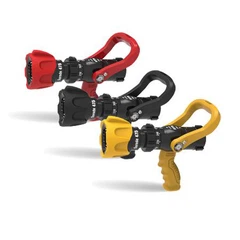
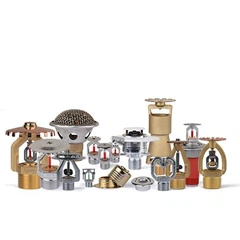
As a leading company in firefighting field,FOREDE has a wide product range including Fire Nozzle&Monitors, Fire Sprinkler Systems, Foam Systems, Fire Hydrant Systems,Fire Truck Accessories.etc.
Our address
Nan'an City, Quanzhou City Fujian PRC-China
Phone Number
86 18750582600
sales3@forede.com