

How Do Fire Sprinklers Work?
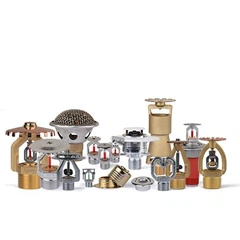
Fire sprinklers are a vital tool in preventing the spread of fire. They are essentially a network of pipes and nozzles that are strategically placed in a building to quickly release water in case of a fire emergency. In this article, we will discuss how fire sprinklers work.
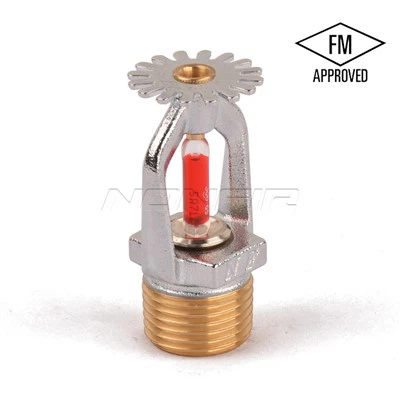
Fire sprinklers work by detecting heat. When the temperature in a room gets too high, the heat-sensitive element in the sprinkler head, called a fusible link, melts, causing the water to release from the sprinkler. The water then sprays out of the nozzle, dousing the flames and stopping the fire from spreading.
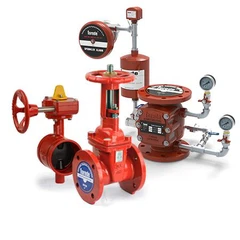
Sprinklers are designed to release water only in the area where the temperature has reached a dangerous level, thus minimizing water damage to the rest of the building. They can also be installed with special valves that allow firefighters to control the water supply if necessary.
One of the key advantages of fire sprinklers is their speed of response. They can detect and activate within seconds of a fire starting, which can mean the difference between a small fire and a total loss. They are also highly effective at controlling and extinguishing fires, reducing the amount of damage to property, and saving lives.
In conclusion, fire sprinklers are a critical component in protecting people and property from fire damage. They are highly efficient, easy to install, and provide an additional layer of safety in buildings. Everyone should consider installing fire sprinklers in their home, office, or commercial building to prevent the spread of fire and to reduce the loss of life and property.
E-mail:sale6@forede.com (Karina Xu)
WhatsApp:+86 158 8080 0883