

How Does a Fire Sprinkler Work?
A fire sprinkler system is a vital tool for safeguarding buildings from the dangers of fire. Its function depends on early detection of a fire followed by suppression of the flames before they have the chance to grow and spread further.
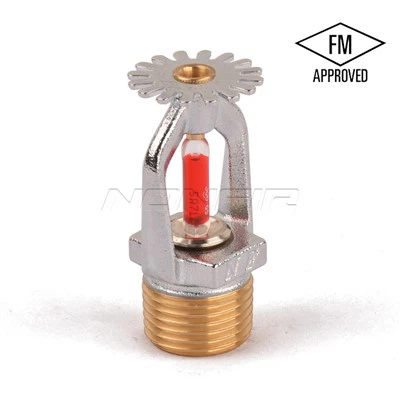
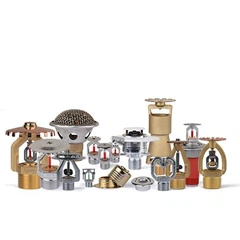
A fire sprinkler system is made up of a series of pipes filled with water and a series of sprinkler heads. The pipes are connected to a water source through a valve that is controlled by a fire alarm system. When the system detects a heat source or a fire, the valve opens, and water flows through the pipes, reaching the sprinkler heads.
Each sprinkler head has a heat-sensitive element that triggers when exposed to high temperatures. This element then releases a plug that holds back the water in the system, allowing water to be released at high pressure through the sprinkler heads. The water sprays down onto the flames, dousing them and extinguishing the fire.
One of the most significant advantages of a fire sprinkler system is its early response time. In many cases, the system can detect a fire before anyone else in the building notices it. This means that the fire can be quickly contained and extinguished, greatly reducing the risk of damage or loss of life.
In conclusion, a fire sprinkler system is a crucial piece of equipment that can help prevent the spread of fires. The system works by detecting fires early and releasing water at high pressure through sprinkler heads, quickly extinguishing the flames. It is essential that buildings are equipped with this technology to protect the safety of occupants and prevent damage to property.
E-mail:sale6@forede.com (Karina Xu)
WhatsApp:+86 158 8080 0883