

How to use breeching inlet?
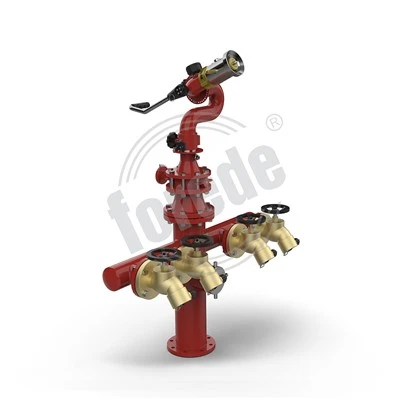
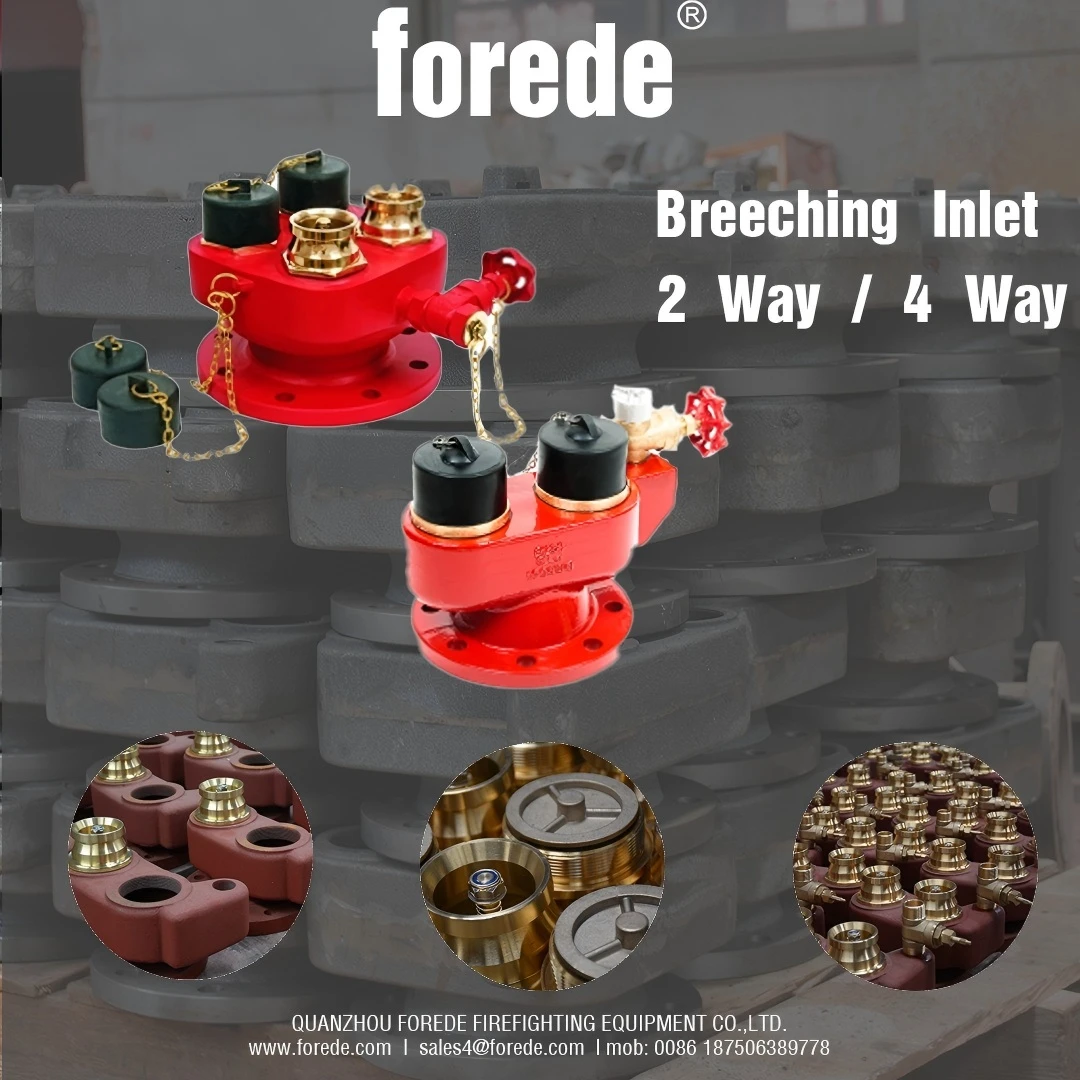
The 4 Way Breeching Inlet is an essential firefighting equipment designed to provide firefighters with easy access to water supply during emergencies. It is commonly used in high-rise buildings, industrial facilities, and other large structures where traditional fire hoses may not be sufficient.
The 4 Way Breeching Inlet features four outlets that can be connected to multiple fire hoses simultaneously, allowing firefighters to tackle the blaze from different angles and effectively control the spread of fire. This design ensures that water can be delivered quickly and efficiently to the fire site, reducing the risk of extensive damage and minimizing the potential for loss of life.
In addition to its practical benefits, the 4 Way Breeching Inlet also plays a crucial role in enhancing the safety of firefighters. By providing a reliable source of water supply, this equipment enables firefighters to work more efficiently and effectively, allowing them to focus on extinguishing the fire and ensuring the safety of occupants.
1. Familiarize Yourself with the Inlet
Before an emergency arises, it is vital to get acquainted with the breeching inlet in your area. Locate the inlet, which is usually installed on the exterior of buildings, near fire hydrants, or in strategic positions within a facility. Understand its design, including the number of inlets and outlets, the type of connections (such as Storz or instantaneous couplings), and any associated valves or control mechanisms.
2. Check the Equipment
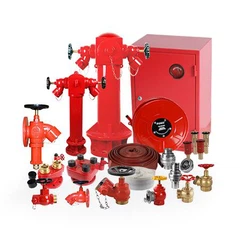
Ensure that you have the necessary fire - fighting equipment ready. This includes fire hoses of the appropriate size and type to match the breeching inlet connections. Inspect the hoses for any signs of damage, such as cuts, leaks, or worn - out couplings. Also, check that the hose reels or storage areas are easily accessible and that the hoses can be deployed quickly.
3. Verify Water Supply
If possible, in a non - emergency situation, verify that the water supply connected to the breeching inlet is operational. This may involve checking with the local water authority or the facility's maintenance team to confirm that the water main is in good condition and that there are no planned outages or issues that could affect the water flow during a fire.
1. Approach the Inlet Safely
When a fire emergency occurs, approach the breeching inlet calmly and safely. Be aware of your surroundings, including any potential hazards such as smoke, falling debris, or traffic (if the inlet is located near a road).
2. Unroll the Fire Hose
Unroll the fire hose from its storage location, making sure to avoid kinks or twists that could restrict the water flow. Lay the hose out in a straight line towards the breeching inlet, leaving enough slack to allow for movement during the fire - fighting operation.
3. Attach the Hose to the Inlet
Identify the correct coupling on the fire hose that matches the connection type of the breeching inlet. Align the coupling on the hose with the inlet connection and push them together firmly. Depending on the type of coupling, you may need to turn the coupling clockwise or engage a locking mechanism to secure the connection. Ensure that the connection is tight and leak - proof. You can check for leaks by running a small amount of water through the hose (if it is safe to do so) or by visually inspecting the connection for any signs of water seepage.
1. Open the Main Valve
Most breeching inlets are equipped with a main valve that controls the water flow. Locate the valve handle, which is usually a wheel - shaped or lever - type handle. Turn the handle counter - clockwise to open the valve gradually. Opening the valve too quickly can cause a water hammer effect, which is a sudden surge of pressure that can damage the hoses, the inlet, or other connected equipment.
2. Adjust the Flow Rate (if applicable)
Some breeching inlets may have additional valves or flow control mechanisms that allow you to adjust the water flow rate. If your inlet has these features, you can increase or decrease the flow as needed based on the fire - fighting requirements. For example, if you are dealing with a small fire, a lower flow rate may be sufficient, while a large and intense fire may require a higher flow rate.
1. Monitor the Hose and Inlet
Continuously monitor the fire hose and the breeching inlet for any signs of problems. Check for leaks, kinks, or blockages in the hose that could reduce the water flow. If you notice any issues, stop the water flow immediately by closing the main valve, address the problem, and then reopen the valve when ready.
2. Communicate with the Fire - Fighting Team
Effective communication is crucial during a fire - fighting operation. If you are part of a team, keep the other members informed about the status of the water supply from the breeching inlet. Let them know if there are any changes in the flow rate or if you encounter any problems that could affect the operation.
1. Close the Main Valve
Once the fire has been extinguished and it is safe to do so, close the main valve of the breeching inlet by turning the handle clockwise. This will stop the water flow and prevent any unnecessary water waste or potential damage to the system.
2. Disconnect the Hose
Carefully disconnect the fire hose from the breeching inlet. Reverse the process used for connection, ensuring that you do not damage the couplings or the inlet. Roll up the hose neatly and store it in its designated location.
3. Report Any Issues
If you noticed any problems with the breeching inlet or the associated equipment during the operation, report them immediately to the relevant authorities, such as the facility's maintenance team or the local fire department. This will ensure that the necessary repairs or maintenance can be carried out to keep the system in good working order for future emergencies.
In conclusion, using a breeching inlet correctly requires proper preparation, careful connection and operation, and vigilant monitoring during the fire - fighting operation. By following these steps, you can help ensure an effective and efficient response to a fire emergency.