



Landing Valve VS Breeching Inlet
In the realm of fire - fighting systems, both landing valves and breeching inlets play crucial roles, yet they serve distinct purposes and have unique characteristics. Understanding the differences and similarities between these two components is essential for effective fire - protection planning and execution.
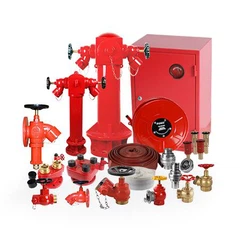
A landing valve, also known as a fire hydrant valve, is an essential component in any building's fire protection system. It is typically located on the ground floor or outside the building and is used by firefighters to connect their hoses and supply water directly from the mains to extinguish fires.
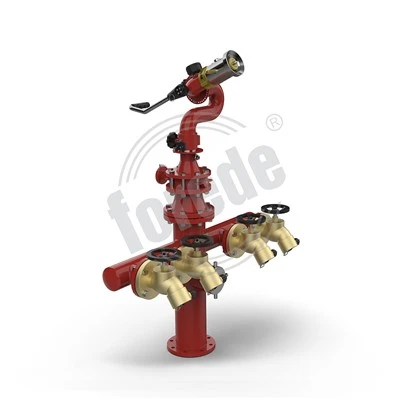
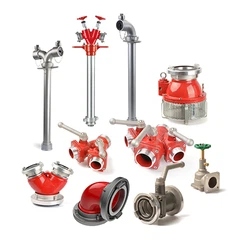
Fire breeching inlet, also known as fire department connections, are essential components in building fire protection systems. These inlets provide firefighters with a quick and easy way to access a building's water supply during a fire emergency.
Landing Valve
A landing valve is typically installed on each floor of a building, often near staircases or in designated fire - fighting equipment rooms. It is designed to provide a direct and accessible water supply for fire - fighting operations within the building. The valve usually has a single outlet, which is connected to a fire hose. The design of a landing valve is relatively compact, with a simple and straightforward structure that allows for easy operation by fire - fighters.
Breeching Inlet
Breeching inlets, on the other hand, are commonly located on the exterior of buildings, near fire hydrants, or in strategic outdoor positions. They are designed to integrate multiple water sources and distribute water to various fire - fighting appliances. Breeching inlets often have multiple inlets and outlets, enabling the connection of several fire hoses or other equipment simultaneously. Their design is more complex compared to landing valves, as they need to accommodate the integration and regulation of different water flows.
Landing Valve
The primary function of a landing valve is to supply water for internal fire - fighting operations within a building. When a fire breaks out on a particular floor, fire - fighters can quickly connect a fire hose to the landing valve on that floor and start extinguishing the fire. It provides a localized and immediate water source, which is crucial for containing the fire at its early stages and preventing it from spreading to other parts of the building.
Breeching Inlet
Breeching inlets serve a broader purpose. They are used to connect external water sources, such as municipal water mains, fire hydrants, or portable water tanks, to the fire - fighting system. In large - scale fires or when the internal water supply of a building is insufficient, breeching inlets allow for the integration of additional water sources. This enables multiple fire - fighting teams to operate simultaneously, using water from different sources to combat the fire effectively.
Landing Valve
Landing valves are connected to the building's internal water supply system. The water flow from a landing valve is regulated by a valve mechanism within the valve itself. Fire - fighters can adjust the flow rate by turning the valve handle, but the overall water supply is limited by the building's internal plumbing and water pressure.
Breeching Inlet
Breeching inlets can handle a more diverse range of water supplies. They are equipped with valves that can manage the flow and pressure of water from different sources. For example, if one water source has high pressure, the valves can be adjusted to reduce the pressure to a safe and manageable level for the connected fire - fighting equipment. Additionally, breeching inlets allow for the combination of water flows from multiple sources, increasing the total water volume available for fire - fighting.
Landing Valve
Landing valves are relatively easy to operate. Fire - fighters need to connect a fire hose to the valve's outlet, open the valve, and start spraying water. The simplicity of the design makes it quick and straightforward to use during an emergency, even for less experienced personnel.
Breeching Inlet
Operating a breeching inlet requires more skill and knowledge. Fire - fighters need to understand how to connect different water sources to the inlets, adjust the valves to control the flow and pressure, and coordinate the use of multiple hoses and appliances. Training is essential to ensure that fire - fighters can use breeching inlets effectively in complex fire - fighting situations.
Landing Valve
Regular maintenance of landing valves includes checking for leaks, ensuring that the valve mechanism operates smoothly, and verifying that the hose connections are secure. Inspections are typically carried out on a scheduled basis, such as quarterly or semi - annually, to ensure that the valves are in good working order.
Breeching Inlet
Breeching inlets require more frequent and thorough maintenance due to their complex design and exposure to external elements. Inspections should check for corrosion, damage to the valves and connections, and the proper functioning of the pressure - regulating mechanisms. Additionally, the integration of multiple water sources means that the inlets need to be tested regularly to ensure compatibility with different water supplies.
In conclusion, while both landing valves and breeching inlets are vital components of fire - fighting systems, they differ in design, function, and usage. Landing valves are designed for internal fire - fighting within buildings, providing a localized water supply, while breeching inlets are used for integrating external water sources and distributing water to multiple appliances in large - scale or complex fire - fighting scenarios. Proper understanding and maintenance of these components are essential for ensuring an effective fire - protection response.