


What is Fire Fighting Hose Shut Off Ball Valve
forede Fire Fighting Hose Shut Off Ball Valve is a vital emergency control device, enabling rapid water flow isolation and adjustment in firefighting systems. Its quarter-turn operation shuts off flow in 1–2 seconds, while a full-bore design preserves pressure and flow rate. Constructed with corrosion-resistant materials and fire-rated seals, it withstands extreme temperatures and harsh environments. standards,consistent quality and the very bestperformance.
General Description
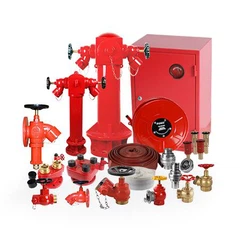
forede Fire Hose Cabinet is a dedicated stationary storage unit engineered to house, organize, and protect the five essential components of basic fire suppression systems: a sturdy outer cabinet, a fire hose, a hose rack, a nozzle, and a hose valve. Unlike ordinary storage boxes that lack fire-specific functionality, it is designed to keep these critical tools in optimal working condition and immediately accessible, acting as a frontline resource for tackling early-stage fires in various building types.
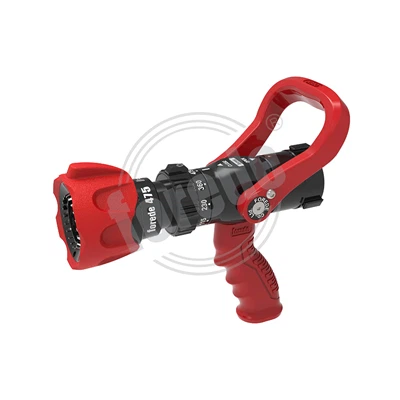
The outer cabinet, crafted from either 1.2mm thick galvanized steel with a corrosion-resistant epoxy coating (ideal for dry indoor spaces like office lobbies) or 304 stainless steel (suited for damp environments such as warehouse loading bays), forms a robust protective shell. Inside, a custom-designed hose rack is mounted along one inner wall, built to securely hold a 25–50m fire hose (with a diameter of 1.5"–2.5") in a evenly coiled arrangement-this prevents tangling and ensures the hose can be pulled out smoothly when needed. On the opposite inner wall, a small, dedicated compartment stores the nozzle, which can be either a spray-type (for covering large fire areas) or a stream-type (for targeting small, focused blazes). Near the bottom of the cabinet, a fixed mounting space accommodates the hose valve, a key component that connects the stored hose to the building's water supply, enabling quick activation of water flow during emergencies.
The cabinet's door is designed for rapid access: it can be a thin, shatterproof tempered glass panel (fitted with a protective film to contain broken pieces) or a lightweight metal panel that opens with a simple push. This user-friendly design ensures that even people without professional fire training can access the tools quickly. Available in three installation styles-surface-mounted (attached directly to wall exteriors), semi-recessed (partially embedded into walls to reduce protrusion), and fully recessed (completely fitted into wall cavities)-the cabinet can adapt to different space constraints while keeping fire tools within easy reach.
Advantages
forede Fire Hose Cabinet offers five key advantages that make it superior to disorganized or non-specialized storage solutions for fire tools, all centered on its role as a dedicated home for the cabinet, hose, rack, nozzle, and valve.
preserves the functionality and extends the lifespan of fire tools. The enclosed cabinet shields the hose from dust that can block internal water channels, moisture that causes rubber to deteriorate, and accidental bumps that lead to cracks. The hose rack keeps the hose coiled evenly, avoiding permanent kinks that weaken the material over time-field data shows hoses stored in this cabinet last 50% longer than those left loose in utility rooms. The nozzle, stored in its own compartment, stays free from debris that could clog its spray holes, and the hose valve remains clean, ensuring smooth connection to the water supply without jams.
enables ultra-fast tool deployment during fires. In emergency situations, every second counts, and the cabinet's organized layout eliminates delays. The hose is pre-coiled on the rack, so users can pull it out in one continuous motion without stopping to untangle. The nozzle is placed right next to the hose's end, allowing for immediate attachment, and the hose valve is already fixed in position-no time is wasted searching for parts. From opening the cabinet door to having water flowing through the nozzle, the entire process takes less than 60 seconds, significantly faster than gathering loose tools from different locations.
optimizes space utilization and reduces clutter. By consolidating the cabinet, hose, rack, nozzle, and valve into a single unit, it eliminates the need for multiple storage spots. In narrow corridors, small offices, or busy industrial workspaces, this is highly valuable: surface-mounted models can use empty wall space, while recessed models blend into the environment without taking up valuable floor or walkway area. This not only keeps the building tidy but also ensures fire tools don't become obstacles during daily operations.
simplifies regular maintenance. The cabinet's open internal structure allows for quick visual inspections: users can easily check the hose for wear, the nozzle for blockages, and the valve for leaks without moving or disassembling parts. The smooth exterior surface-whether epoxy-coated steel or stainless steel-can be wiped clean with a damp cloth in seconds, removing dust or minor spills. This ease of maintenance ensures the cabinet and its contents are always ready for use when a fire occurs..
How to Use Fire Hose Cabinet?
Using forede Fire Hose Cabinet effectively involves straightforward steps that focus on accessing and utilizing its core components (cabinet, hose, rack, nozzle, valve) safely and efficiently during a fire emergency.
Pre-Emergency Check (Routine Readiness)
Perform a monthly check to ensure the cabinet and its contents are in working order. Start by opening the cabinet door and examining the hose: check that it is evenly coiled on the rack, with no kinks, cracks, or signs of mildew. Inspect the hose's metal couplings for rust or damage-if any issues are found, replace the hose immediately. Next, check the nozzle: remove it from its compartment and ensure the spray openings are clean and free from debris. Test the nozzle's adjustment mechanism by twisting it to switch between spray and stream modes-ensure it moves smoothly without sticking. Finally, inspect the hose valve: confirm it is closed tightly (no water leaks) and that the connection points are clean and free from rust. Close the cabinet door securely to keep the components protected until needed.
Emergency Deployment Steps
Access the Cabinet: If the door is glass, use your fist or a nearby hard object (like a fire extinguisher) to strike the glass's corner-this is the weakest point, and the protective film will hold the shards together to avoid injury. If the door is a push-open metal panel, press firmly on the release latch to swing it open.
Retrieve the Hose and Nozzle: Grab the nozzle from its compartment with one hand. With the other hand, pull the end of the hose (connected to the nozzle) steadily from the rack. Unroll the hose slowly as you move toward the fire, ensuring it doesn't tangle- the rack's design will guide the hose out smoothly. Pull enough hose to reach the fire, leaving a small length coiled on the rack to prevent stretching the material.
Connect the Hose to the Valve: Locate the hose valve at the bottom of the cabinet. Take the free end of the hose (opposite the nozzle) and align its female coupling with the valve's male thread. Twist the coupling clockwise by hand until it is tight-do not use tools, as this can damage the threads and cause leaks.
Activate the Water Supply: Turn the hose valve's handle counterclockwise as far as it will go to open it fully. This will allow water to flow through the hose and into the nozzle. Adjust the nozzle to the desired spray pattern: twist the head to select "spray" for covering wide fire areas or "stream" for targeting small, concentrated fires.
Fight the Fire: Stand at a safe distance from the fire (typically 1–2 meters, depending on the fire's size) and aim the nozzle at the base of the fire-this is where the fuel source is, and targeting it directly will help extinguish the flames quickly. Squeeze the nozzle's trigger to release the water, moving the nozzle back and forth to cover the entire fire area. Continue until the fire is completely out, then keep spraying for a few extra seconds to cool the area and prevent re-ignition.
Post-Emergency Restoration
After the fire is extinguished, follow these steps to reset the cabinet: First, turn the hose valve's handle clockwise to close it fully, stopping the water flow. Next, twist the hose's coupling counterclockwise to disconnect it from the valve. Hold the hose vertically (with the nozzle pointing down) to drain any remaining water-shake it gently to remove excess moisture. Wipe the hose with a clean, dry cloth to remove dirt or debris, then re-coil it neatly on the rack: start from the end that connects to the valve, wrapping it in even loops to avoid kinks. Place the nozzle back in its compartment, ensuring it is secure. If the cabinet door was broken (glass type), cover the opening with a temporary barrier (like a plastic sheet) to protect the internal components until a replacement door is installed. Finally, document the use in the building's fire safety log, noting any damage to the hose, nozzle, or valve that requires repair or replacement.
Application
commercial buildings
commercial buildings, the cabinet is widely used. Shopping malls, with their large floor areas and multiple retail stores, install surface-mounted cabinets at every corridor intersection, approximately 30–40m apart. These cabinets hold 30–40m hoses-long enough to reach across multiple storefronts-and are equipped with spray nozzles, ideal for putting out small fires in merchandise displays or customer waiting areas. Office buildings, which value a clean, uncluttered appearance, often choose fully recessed cabinets in elevator lobbies or near stairwells. These units contain 25–30m hoses and stream nozzles, perfect for suppressing fires in offices caused by overheated computers, printers, or paper waste. Hotels, focusing on guest safety, mount compact surface-mounted cabinets (around 600×450×200mm) near guest room doors. These cabinets hold 25m hoses and easy-to-operate spray nozzles, allowing guests or housekeeping staff to quickly handle small fires in rooms or hallways.
Industrial facilities
Industrial facilities benefit greatly from the cabinet's durable design. Manufacturing plants, where machinery and raw materials present fire risks, use 304 stainless steel cabinets mounted near production lines. These units hold 40–50m hoses-long enough to cover large work areas-and are fitted with heavy-duty nozzles that can withstand harsh industrial conditions, such as exposure to oil or chemicals. Warehouses, especially those with loading docks that may be exposed to rain or humidity, install weather-resistant surface-mounted cabinets outside near dock entrances. These cabinets store hoses connected to external water supplies via their built-in valves, ensuring readiness for fires in delivery trucks or stored goods.
Public institutions
Public institutions rely on the cabinet for easy access. Schools and universities place semi-recessed cabinets in classroom wings and auditorium hallways, where they are easily visible to students and teachers. These cabinets hold 25–30m hoses and simple spray nozzles, suitable for small fires in classrooms (like those from science experiment materials) or cafeterias (from food preparation accidents). Hospitals, prioritizing patient safety and space efficiency, install compact cabinets near nurse stations on each patient floor. These units contain 30m hoses with gentle spray nozzles (to avoid damaging sensitive medical equipment) and have the hose valve positioned for quick access by nurses or hospital staff.
Transportation hubs
Transportation hubs also utilize the cabinet's space-saving features. Airports install small surface-mounted cabinets in terminal corridors, near restrooms and food courts. These cabinets hold 30m hoses and spray nozzles, ready to address fires in seating areas or concession stands. Train stations and subway terminals mount cabinets near platform exits, with hoses connected to the station's water supply via the built-in valve. This ensures that station staff can quickly respond to fires in passenger areas or ticket booths, minimizing disruption to travel schedules.