


Pre Action Valve VS Deluge Valve
Pre-action valve and deluge valve are two common types of valves used in fire protection systems to control the flow of water to sprinkler systems. While both valves are important for maintaining fire safety, they have distinct differences in terms of operation and application.
Pre-action valve is a type of valve that is designed to prevent accidental discharge of water in sprinkler systems. It requires two separate actions to release water: first, the detection of heat or smoke by the fire detection system, and second, the activation of a sprinkler head. This two-step process helps to minimize water damage in case of false alarms or accidental damage to sprinkler heads. Pre-action valves are commonly used in areas with sensitive equipment or valuable assets that need protection from water damage.
On the other hand, deluge valve is a type of valve that releases water immediately after the activation of a fire detection system. It is typically used in high-hazard areas where a large amount of water is needed to suppress a fire quickly. Deluge valves are often found in industrial facilities, chemical plants, and aircraft hangars where fast and effective fire protection is essential.
Core Functionality & Design Differences
A. Pre-Action Valve: Dual-Action, Water-Controlled Release
- Purpose: Pre-action systems are engineered for water-sensitive environments (e.g., data centers, libraries, museums) where false discharges could destroy irreplaceable assets. They require two independent events to release water:
- Fire Detection (smoke/heat detectors trigger a pneumatic or electric signal).
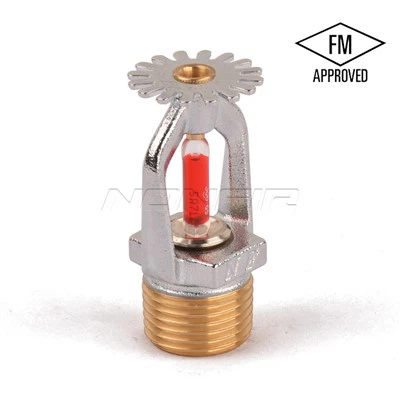
- Sprinkler Activation (heat-sensitive bulbs rupture at specific temperatures).
- Mechanism:
- Normally Closed: The pre-action valve holds water back under pressure, with the system pipework filled with pressurized air or nitrogen (to monitor leaks).
- Sequential Activation:
- Step 1: Fire detectors signal the pre-action valve to open, filling pipes with water.
- Step 2: Sprinkler heads activate at ≥135°F–165°F (57°C–74°C), discharging water locally.
Key Components:
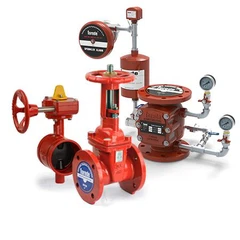
- Pre-action valve (pilot-operated diaphragm or deluge-style trim).
- Supervisory pressure switches (to monitor air/water pressure).
- Low-pressure alarms (for pipe leaks).
Double-interlock controls (for added safety in critical applications).
B. Deluge Valve: Instantaneous, Full-Flood Activation
- Purpose: Deluge systems are deployed in high-hazard zones (e.g., chemical plants, aircraft hangars, power transformers) where rapid, zone-wide suppression is essential to contain fast-spreading fires before they escalate.
- Mechanism:
- Normally Closed: The deluge valve remains shut under pressure, with water blocked by a hydraulic, pneumatic, or electric pilot system.
- Simultaneous Discharge: Upon activation, all open-ended nozzles/sprinklers in the protected zone release water within ≤5 seconds, flooding the area to smother flames.
Key Components:
- Main deluge valve (ductile iron/stainless steel, 10–300 PSI rating).
- Pilot trim (solenoids, pressure switches, check valves, strainers).
- Supervisory alarms (for tampering or low pressure).
Applications & Use Cases
A. Pre-Action Valve Applications
- Data Centers & Telecom Hubs:
- Protects servers, cables, and storage from water damage.
- Dual-interlock systems prevent accidental discharges from electrical surges (e.g., lightning strikes).
- Cultural Heritage Sites:
- Museums, libraries, and archives use pre-action systems to safeguard artifacts, manuscripts, and paintings.
- Cold Storage Facilities:
- Prevents pipe freezing by using nitrogen gas in pre-action systems (air can condense and freeze).
- Cleanrooms & Laboratories:
- Avoids water contamination in semiconductor fabrication or pharmaceutical research.
B. Deluge Valve Applications
- High-Risk Industrial Zones:
- Oil & Gas: Protects tank farms, flare stacks, and offshore platforms from hydrocarbon pool fires.
- Chemical Plants: Mitigates runaway reactions in solvent storage or distillation columns.
- Aviation & Transportation:
- Aircraft Hangars: Uses high-velocity foam-water deluge systems to suppress jet fuel spills.
- Tunnels & Subways: Floods zones to contain vehicle fires in confined spaces.
- Power Generation:
- Transformer Yards: Deluge systems cool oil spills to prevent explosions.
- Nuclear Facilities: Provides backup suppression for spent fuel pools.