


Understanding the Relationship Between Fire Sprinkler Systems and Fire Protection Valve Systems
Introduction
In modern fire protection engineering, Fire Sprinkler Systems and Fire Protection Valve Systems are two core components that work in close coordination to detect, control, and extinguish fires. While each system has its distinct function, they are interdependent and must operate seamlessly to ensure optimal fire suppression and safety.
What is a Fire Sprinkler System?
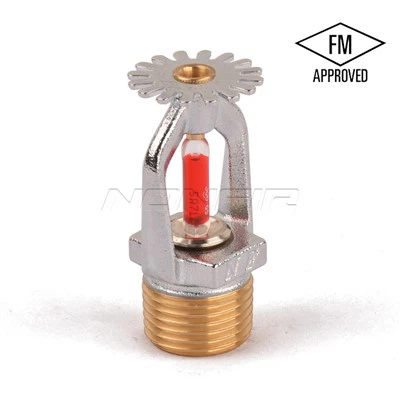
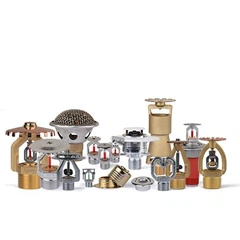
A Fire Sprinkler System is an automated fire suppression system that discharges water (or sometimes foam) over a fire once the temperature at the sprinkler head reaches a certain threshold. It typically consists of:
Sprinkler heads
Piping network
Water supply system
Control valves and alarms
Sprinkler systems are commonly found in commercial buildings, factories, warehouses, and residential high-rises, and are designed to activate locally, only where the heat from a fire is detected.
What is a Fire Protection Valve System?
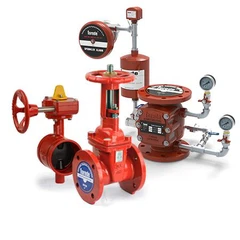
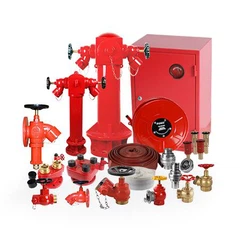
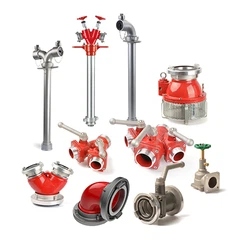
A Fire Protection Valve System is a collection of specialized valves used to control, isolate, or regulate the flow of water in a fire protection network. These valves are crucial for the operation, maintenance, and integrity of fire sprinkler and other fire suppression systems. Key types of fire protection valves include:
Alarm valves
Deluge valves
Dry valves
Check valves
Gate valves
Pressure-reducing valves
Butterfly valves
These valves help ensure that water is available, controlled, and directed correctly when a sprinkler or fire suppression system activates.
The Relationship Between the Two Systems
1. Flow Control and Activation
Fire sprinkler systems rely on fire protection valves to control the flow of water. For example, an alarm valve holds back water until a sprinkler head activates; once triggered, the valve opens and allows water to flow into the sprinkler network.
2. System Zoning and Isolation
Fire protection valves enable the creation of zones or sections within a building's fire system. This is useful for isolating areas during maintenance or limiting water discharge to specific sections during a fire, without affecting the entire building.
3. Pressure Regulation
Sprinkler systems operate within specific pressure ranges. Valves like pressure-reducing valves or pressure relief valves ensure that water pressure is safe and effective, protecting both system integrity and building occupants.
4. Alarm and Monitoring
Many valves in the system are equipped with supervisory switches and alarm devices that notify the fire alarm control panel when a valve opens or closes. This ensures real-time monitoring and enhances emergency response.
5. System Testing and Maintenance
Valves such as test and drain valves allow for periodic testing of sprinkler system performance without setting off actual sprinklers. Isolation valves also help perform maintenance without shutting down the entire system.
Real-World Example
In a warehouse with a wet pipe sprinkler system:
An alarm valve is installed at the entry point to the sprinkler piping.
When a sprinkler head detects fire and activates, water flows through the alarm valve, triggering both water discharge and an alarm signal.
If maintenance is needed on one section, a butterfly or gate valve can isolate that zone without affecting the rest of the building.
Conclusion
A Fire Sprinkler System and a Fire Protection Valve System are mutually supportive components in fire safety infrastructure. While the sprinkler system is responsible for fire detection and suppression, the valve system manages water flow, control, and monitoring. Together, they form an integrated, responsive, and reliable defense against fire, safeguarding lives and property.