
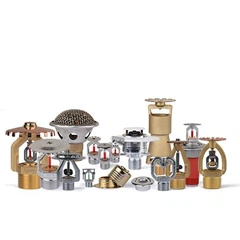
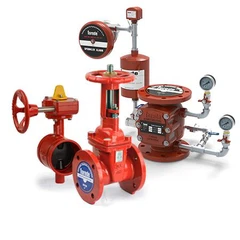
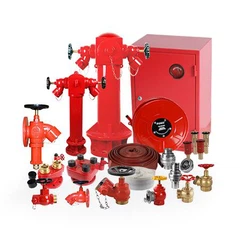

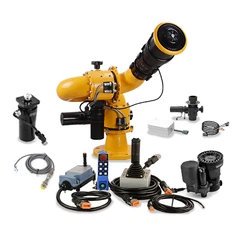

What is Dry Fire Sprinkler?
forede® brand Dry fire sprinkler systems are an essential component of fire safety in buildings and facilities. These systems help prevent fires from spreading and causing extensive damage by quickly and effectively extinguishing flames before they have a chance to grow.
One of the key benefits of dry fire sprinkler systems is that they are designed to work in areas where freezing temperatures may be a concern. Unlike traditional wet pipe systems, dry fire sprinklers have pressurized air or nitrogen in the pipes instead of water, which eliminates the risk of freezing and bursting in cold weather conditions.
In addition to their reliability in cold climates, dry fire sprinkler systems are also highly effective at controlling and suppressing fires. They are activated by heat, which triggers the release of water through the sprinkler heads to quickly extinguish flames and prevent them from spreading.
Overall, dry fire sprinkler systems are an important investment in fire protection and safety for any building or facility. By ensuring that these systems are properly installed and maintained, property owners can have peace of mind knowing that they have a dependable and effective method for controlling fires and protecting lives and property.
A Dry Fire Sprinkler (short for Dry Pipe Fire Sprinkler System) is a type of automatic fire sprinkler system specifically designed for cold environments where pipes might freeze.
🔧 How a Dry Fire Sprinkler Works:
Pipes Are Filled with Pressurized Air or Nitrogen, not water.
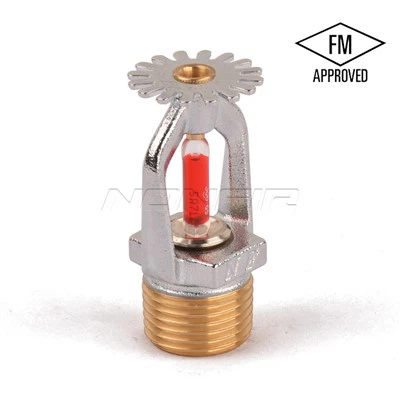
Sprinkler heads are closed until a fire is detected.
When a fire causes a sprinkler head to open:
Air is released from the pipes.
The drop in pressure opens a dry pipe valve.
Water then flows into the pipes and out of the open sprinkler to fight the fire.
🧊 Why Use Dry Fire Sprinklers?
To prevent freezing and pipe bursts in areas like:
Unheated warehouses
Loading docks
Parking garages
Attics or crawl spaces
Cold storage facilities
🔄 Dry vs. Wet Sprinkler Systems:
| Feature | Dry Sprinkler System | Wet Sprinkler System |
|---|---|---|
| Pipe contents | Pressurized air | Water |
| Response time | Slight delay (air must release first) | Immediate |
| Freeze risk | Low | High in freezing conditions |
| Cost | Higher (more components) | Lower |
⚠️ Limitations of Dry Sprinkler Systems:
Slight delay in water discharge (a few seconds).
More complex maintenance and installation.
Not ideal for high-ceiling or fast-spreading fire scenarios without proper design.
✅ Best Practices:
Inspect the dry pipe valve and air compressor regularly.
Install in compliance with NFPA 13 standards.
Only use in environments where freezing is a risk-wet systems are preferred elsewhere due to faster activation.