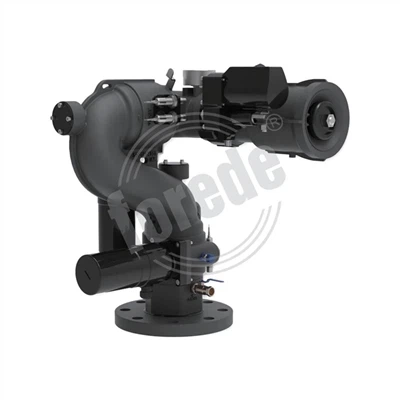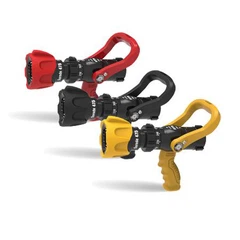


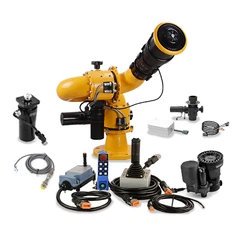
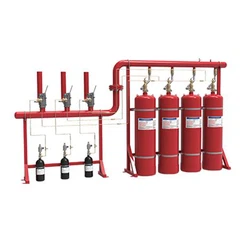
Fire monitors are important pieces of equipment that are used to fight fires in various settings. They are designed to spray water or other extinguishing agents onto flames, helping to control fires and protect property and lives. To ensure that fire monitors function effectively when they are needed, daily maintenance is essential. In this article, we will discuss the daily maintenance methods of fire monitors.
1. Inspection: All fire monitors should be inspected daily to ensure that they are in good condition and ready for use. During the inspection, the operator checks for any signs of damage, leaks, or other defects. The control valves and hoses should be checked to ensure that they are working correctly.
2. Cleaning: Fire monitors should be cleaned daily to remove any debris or contaminants that may affect their performance. The nozzles should be cleaned thoroughly using a brush or a high-pressure water jet. The hoses and other parts of the equipment should also be cleaned to prevent any blockages.
3. Lubrication: Fire monitors have many moving parts that require regular lubrication to function correctly. The operator should apply appropriate lubricants to all moving parts during daily maintenance.
4. Testing: Fire monitors should be tested daily to ensure that they are working correctly and that there are no to malfunctions. The operator should test the flow rate, pressure, and spray pattern at least once a day.
5. Record Keeping: Daily maintenance should be documented to track the fire monitor's usage and maintenance history. These records help operators to identify issues that may arise in the future and make informed decisions about the equipment.
In conclusion, fire monitors require daily maintenance to ensure that they are ready for use in case of a fire emergency. The maintenance methods outlined in this article will help operators keep the fire monitors in excellent condition, extending their lifespan and ensuring their proper functionality when needed.