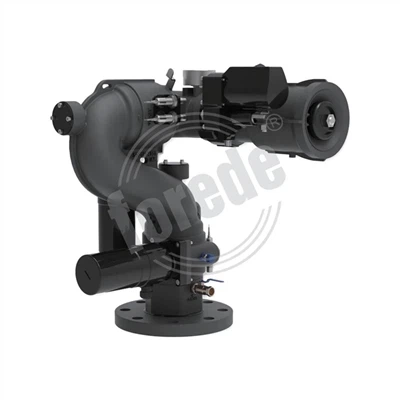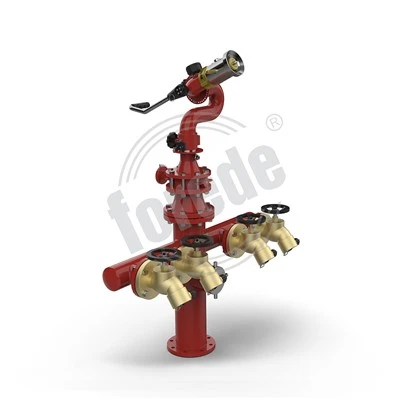


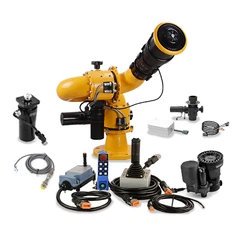
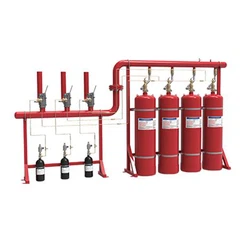
Fire monitors are essential equipment in firefighting operations. They are powerful water cannons that can deliver a high volume of water over long distances to extinguish fires in buildings, industrial settings, ships, and aircraft. Fire monitors can be portable or fixed, and they use various methods to handle the flow of water to prevent damage to the equipment and ensure the safety of the firefighters. Here are some methods and precautions for using fire monitors:
1. Check the water supply before initiating the monitor. The water supply must be adequate, clean, and free from debris. The pressure should also be checked to ensure the water flow is strong enough to reach the fire.
2. Position the monitor at a safe distance from the fire and discharge the water in short bursts to avoid causing further damage to the structure.
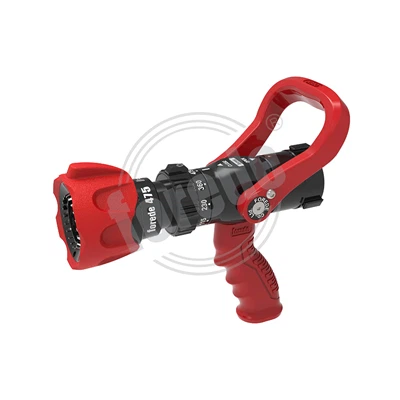
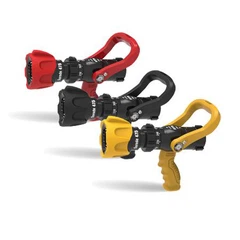
3. Use the correct nozzle for the type of fire involved. Different nozzles can be used to deliver water in different patterns, and they can be adjusted to increase or decrease the water flow.
4. Use enough manpower to operate and control the monitor. Fire monitors can be powerful and challenging to handle, and it is crucial to have enough people to move and adjust the equipment.
5. Regular maintenance and inspection are essential to ensure fire monitors are always functional and ready for use. Check for clogged nozzles or damaged hoses that can hinder water flow.
6. Ensure that the operator of the fire monitor is alert and responsive. The operator must be attentive to the surroundings and communicate well with other firefighters on the scene to avoid accidents.
In summary, using fire monitors is an effective way to extinguish flames safely and quickly. However, it is crucial to consider the above methods and precautions to protect firefighters' safety and avoid damage to equipment and structures.