


What is forede fire hose cabinet
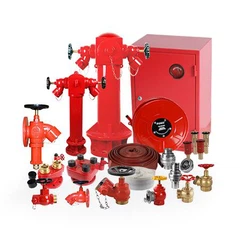
forede Fire Hose Cabinet is a dedicated fixed storage unit for core fire suppression tools: fire hoses (25–50m, 1.5"–2.5" diameter), built-in hose racks (for neat coiling), nozzles (spray/stream types), and hose valves (for water connection). Constructed from galvanized steel (epoxy-coated) or 304 stainless steel, it comes in surface-mounted, semi-recessed, and fully recessed models (600×450×200mm to 1200×800×300mm) with quick-access doors (breakable glass or push-to-open metal).
General Description
forede Fire Hose Cabinet is a dedicated fixed storage unit designed to house, organize, and protect essential fire suppression components- pecifically fire hoses, hose racks, nozzles, and hose valves-in commercial, industrial, and public buildings. Unlike ordinary storage cabinets, it is engineered solely for fire emergency use, ensuring these critical tools remain intact, accessible, and ready for immediate deployment when fires occur.
Structurally, the cabinet features a sturdy frame made from either 1.2mm galvanized steel with epoxy powder coating (for general indoor use) or 304 stainless steel (for environments prone to moisture or mild corrosion). Its main body is divided into functional sections tailored to its core components: a central area with a built-in hose rack (designed to securely hold 25–50m fire hoses of 1.5"–2.5" diameter, keeping them neatly coiled to avoid tangling), a small side compartment for storing nozzles (accommodating both spray and stream-type nozzles), and a dedicated space near the bottom for mounting a hose valve (the connection point linking the stored hose to the building's water supply).
A key design focus is quick access: the cabinet door is either a breakable tempered glass panel (with safety film to prevent sharp shards) or a push-to-open metal door, both requiring no tools to open-ensuring anyone can retrieve equipment fast. Available in three installation styles (surface-mounted for easy wall attachment, semi-recessed for partial integration into walls, and fully recessed for a sleek, space-saving fit) with dimensions ranging from 600×450×200mm to 1200×800×300mm, it is built to balance durability, organization, and accessibility-serving as a centralized hub for the basic tools needed to combat early-stage fires.
Advantages
forede Fire Hose Cabinet offers five key advantages centered on its core components (cabinet, hose, rack, nozzle, valve), outperforming disorganized or unprotected storage of fire gear.
preserves equipment functionality and extends lifespan. The enclosed cabinet shields hoses from dust, moisture, and physical damage-issues that cause unprotected hoses to crack, mildew, or degrade prematurely. The built-in hose rack keeps hoses coiled evenly, preventing kinks that weaken the hose material over time; tests show hoses stored in these cabinets last 50% longer than those left loose in closets or utility rooms. Additionally, the cabinet's sturdy steel construction protects nozzles from impacts (which can damage spray mechanisms) and keeps the hose valve free from debris that could block water flow.
ensures rapid, hassle-free deployment. The organized layout eliminates time wasted searching for gear: hoses are pre-coiled on the rack, so users can pull them out smoothly without untangling; nozzles are stored right next to the hose, avoiding delays in attachment; and the hose valve is pre-mounted, so connecting the hose to the water supply takes seconds. Unlike loose gear, which can take 2–3 minutes to gather and prepare, the cabinet's setup lets users start suppressing fires in under a minute-a critical difference for containing small blazes.
maximizes space efficiency and reduces clutter. The cabinet's compact, compartmentalized design consolidates all essential tools into one unit, instead of spreading hoses, nozzles, and valves across multiple storage areas. This is especially valuable in narrow corridors, small offices, or crowded industrial spaces where floor and wall space is limited. Surface-mounted models can be installed on unused wall areas, while recessed models blend into walls without protruding-keeping walkways clear and maintaining a neat environment.
enhances user safety during emergencies. The breakable glass or push-to-open door allows quick access even for untrained users (e.g., building occupants) who may not know how to operate complex locks. The hose rack's secure hold prevents hoses from falling and causing trips when the cabinet is opened, and the valve's fixed position eliminates the risk of misplacing the connection point-ensuring users can focus on fighting fires instead of handling equipment issues.
What are the requirements for a fire hose cabinet?
1. Structural & Material Requirements
Durable Construction: Must use corrosion-resistant materials to protect internal components. As specified, options include 1.2mm galvanized steel with epoxy powder coating (for general indoor use) or 304 stainless steel (for moisture-prone or mild corrosive environments, e.g., warehouses, near water sources). This ensures resistance to rust, physical impact, and wear over long-term use.
Component Compatibility: Internal layout must be tailored to house core fire tools-specifically 25–50m fire hoses (1.5"–2.5" diameter), a built-in hose rack (for secure, kink-free coiling), a side compartment for spray/stream nozzles, and a dedicated bottom space for mounting a hose valve (to connect the hose to the building's water supply). No extra or non-essential components are allowed to avoid clutter.
Quick-Access Door Design: Door must enable tool-free, instant opening. Valid options include breakable tempered glass (with safety film to prevent sharp shard scattering) or push-to-open metal doors-both designed to be operable by untrained users (e.g., building occupants) in emergencies, with no complex locks or latches.
2. Installation Requirements
Flexible Mounting Options: Must support three installation styles to adapt to different space constraints: surface-mounted (for easy wall attachment in open areas), semi-recessed (partially integrated into walls for moderate space savings), and fully recessed (fully embedded in walls for sleek, space-efficient fit in narrow corridors or lobbies).
Size Specifications: Dimensions must range from 600×450×200mm (compact models for small spaces like hotel guest corridors) to 1200×800×300mm (larger units for industrial facilities needing longer hoses). Size selection must align with the intended use case-e.g., compact models for hotels, larger units for manufacturing plants.
Strategic Placement: When installed, the cabinet must be positioned to ensure coverage and accessibility. For example, in commercial buildings, it should be placed at corridor intersections every 30–40m; in public institutions, near high-traffic areas (e.g., school classroom wings, hospital nurse stations); and in industrial sites, near production lines or loading docks (to cover high-risk zones).
3. Functional Requirements
Equipment Protection: Enclosed design must shield internal components from external damage-specifically dust, moisture, and physical impacts. This preserves hose integrity (preventing cracks or mildew), keeps nozzles undamaged (avoiding spray mechanism failures), and ensures the hose valve remains debris-free (to maintain unobstructed water flow).
Rapid Deployment Support: Layout must enable fast, hassle-free gear retrieval. Hoses must be pre-coiled on the rack for smooth unrolling, nozzles must be stored adjacent to the hose for quick attachment, and the hose valve must be pre-mounted to eliminate time spent on setup. Total preparation time (from opening the door to activating water flow) must be under a minute-critical for containing early-stage fires.
4. Maintenance Requirements
Inspection Accessibility: Design must allow easy visual inspection of all components. The open, compartmentalized layout ensures users can quickly check the hose for cracks, the nozzle for blockages, and the valve for leaks without disassembling or moving gear.
Easy Cleaning: Exterior surface (epoxy-coated steel or stainless steel) must be wipeable to simplify dust or spill removal. No hard-to-clean crevices or porous materials are permitted, ensuring routine maintenance takes minimal time.
Post-Use Restorability: After emergency use, components must be easy to reset. The hose rack must facilitate neat re-coiling of the drained hose, the nozzle compartment must allow simple replacement, and the valve must be easy to close and inspect for damage-with no specialized tools needed for restoration.
Application
Commercial Buildings
Commercial Buildings are primary locations. Shopping malls and retail centers install surface-mounted cabinets at corridor intersections (every 30–40m) to ensure coverage across large floor plans-these cabinets hold 30–40m hoses to reach multiple storefronts, with nozzles suited for suppressing small fires in merchandise areas. Office buildings prefer fully recessed cabinets in elevator lobbies or near stairwells, where they blend with interior design while keeping hoses accessible for employees to use on office fires (e.g., paper or electronic equipment blazes). Hotels mount compact cabinets (600×450×200mm) near guest room doors, with 25m hoses and easy-to-use spray nozzles, so guests or staff can quickly address fires in rooms or hallways.
Industrial Facilities
Industrial Facilities require durable, functional installations. Manufacturing plants use stainless steel cabinets near production lines-these units hold 40–50m hoses (to cover large work areas) and are mounted at waist height for easy access by workers, who can use the nozzles to suppress fires from machinery or raw materials. Warehouses install weatherproof surface-mounted cabinets outside near loading docks, storing hoses that can reach delivery trucks or stored goods; the hose valve is connected to the warehouse's external water supply, ensuring water flow even if indoor systems are compromised.
Public Institutions
Public Institutions prioritize accessibility and visibility. Schools and universities place cabinets in classroom wings and auditorium hallways, using semi-recessed models that are easy for students or staff to spot-these hold 25–30m hoses and simple stream nozzles, suitable for small fires in classrooms or cafeterias. Hospitals install cabinets near nurse stations on patient floors, with 30m hoses and gentle spray nozzles (to avoid damaging medical equipment) and the hose valve positioned for quick connection by medical staff.
Transportation Hubs
Transportation Hubs need space-efficient solutions. Airports mount cabinets in terminal corridors near restrooms and food courts, using compact surface-mounted models that fit in tight spaces-these hold 30m hoses to cover seating areas or concession stands. Train stations and subway terminals install cabinets near platform exits, with hoses connected to the station's water supply via the built-in valve, ensuring readiness for fires in passenger areas or ticket booths.