

What is a fire standpipe?
A fire standpipe is an essential part of a building's firefighting infrastructure, designed to provide a reliable and accessible water supply for firefighters during emergencies. Installed vertically within buildings, fire standpipes ensure that water can be delivered efficiently to upper floors, especially in high-rise structures where conventional firefighting methods may be insufficient. This article explores the key aspects of fire standpipes, including their design, functionality, installation, and maintenance.
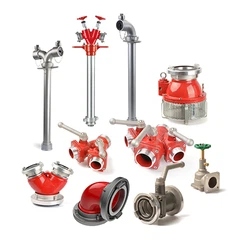
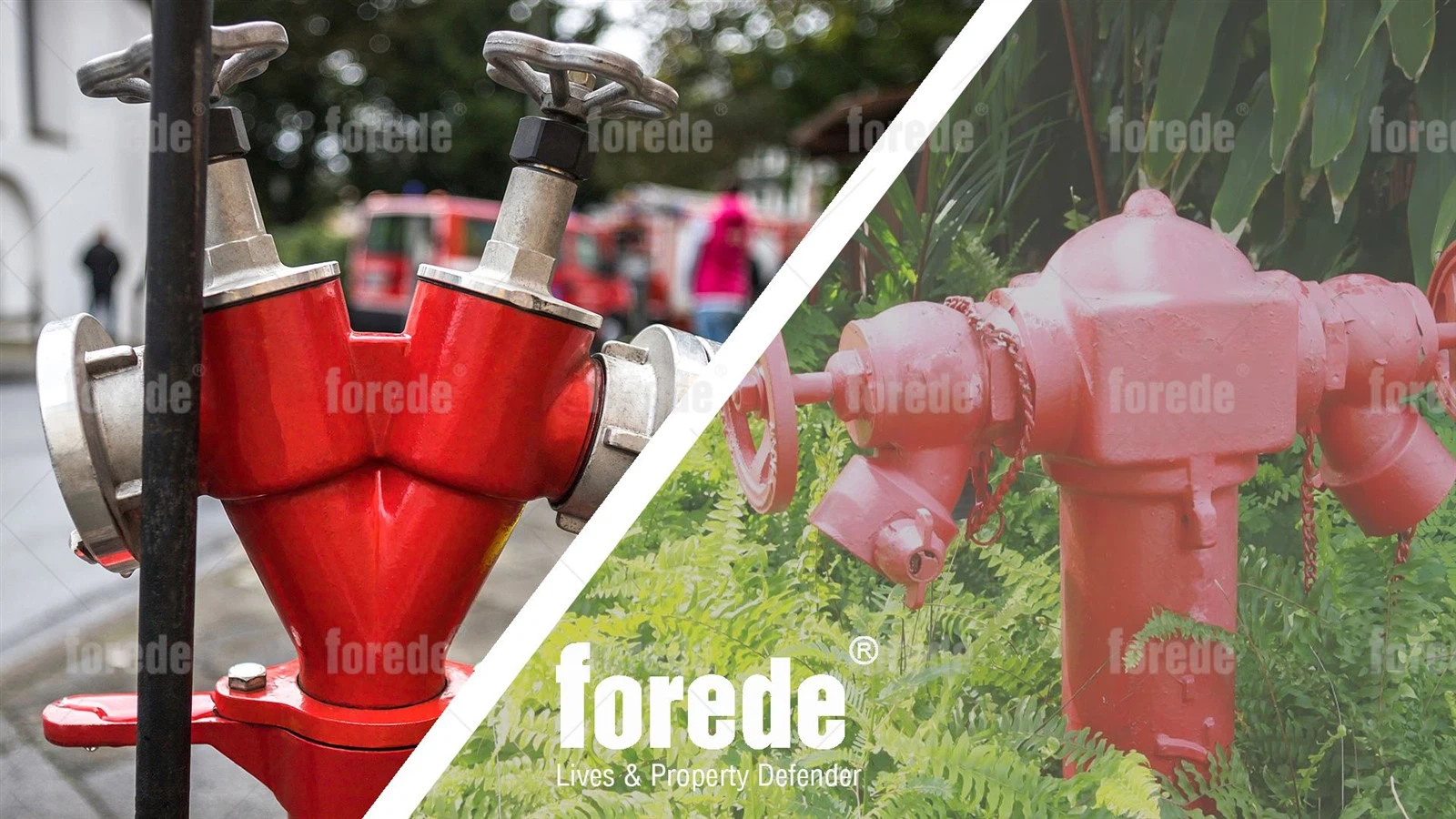
A fire standpipe is a vertical pipe system installed in buildings to supply water for firefighting operations. It consists of a network of pipes, valves, and hose connections that allow firefighters to attach hoses and deliver water directly to the fire scene. The primary purpose of a fire standpipe is to:
- Provide a consistent water supply at high pressure, even in tall buildings.
- Enable rapid deployment of firefighting efforts without relying on external hydrants.
- Ensure that firefighters have immediate access to water on multiple floors.
There are two main types of fire standpipes:
1. Wet Standpipe System
- Description: A wet standpipe system is permanently charged with water under pressure.
- Advantages: Ready for immediate use, requiring no additional setup by firefighters.
- Applications: Common in high-rise buildings, hospitals, and nursing homes where quick response is critical.
2. Dry Standpipe System
- Description: A dry standpipe system is filled with air under pressure and only charged with water when a fire occurs.
- Advantages: Less prone to freezing in cold climates and reduces water damage from leaks.
- Applications: Often used in buildings without heating systems or in unheated areas like parking garages.
1. Piping Network
- Constructed from steel or galvanized iron to withstand high pressure and corrosion.
- Typically 2.5 inches (63.5 mm) or larger in diameter to ensure adequate flow rates.
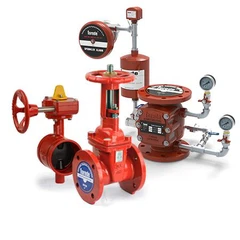
2. Control Valves
- Located at each floor level to regulate water flow.
- Equipped with tamper-proof mechanisms to prevent unauthorized use.
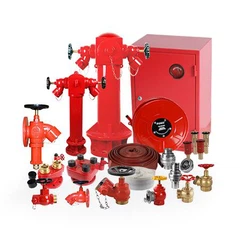
3. Hose Connections
- Standardized outlets (e.g., Storz or National Pipe Thread) for compatibility with firefighting hoses.
- Located in stairwells, corridors, or other accessible areas.
4. Pressure-Reducing Valves
Used to maintain safe pressure levels and prevent hose damage.
5. Fire Department Connections (FDCs)
External inlet points where firefighters can connect pump trucks to boost water pressure.
Architectural design & planning cepteur sint occaecat cupidatat proident, taken possession of my entire soul, like these sweet mornings of spring which I enjoy with my whole...Architectural design & planning cepteur sint occaecat cupidatat proident, taken possession od my entire soul, like these sweet mornings of spring which I enjoy with my whole Lorem ipsum dolor sit ament, consectetur adipisicing elit,sed do eiusmod tempor incididunt labore et dolore magna aliqua. it enim ad minim veniam.
- Enhanced Safety: Provides firefighters with immediate access to water, reducing response times and improving fire suppression efficiency.
- Compliance with Codes: Ensures that buildings meet fire safety regulations, avoiding penalties and legal issues.
- Cost-Effective Protection: Prevents extensive fire damage by enabling early intervention.
- Versatility: Suitable for a wide range of buildings, from residential high-rises to industrial complexes.